We plan, specify, and deliver every window and door in your project as one coordinated system.
Trusted local window experts serving you since 2008
We plan, specify, and deliver every window and door in your project as one coordinated system.
Trusted local window experts serving you since 2008

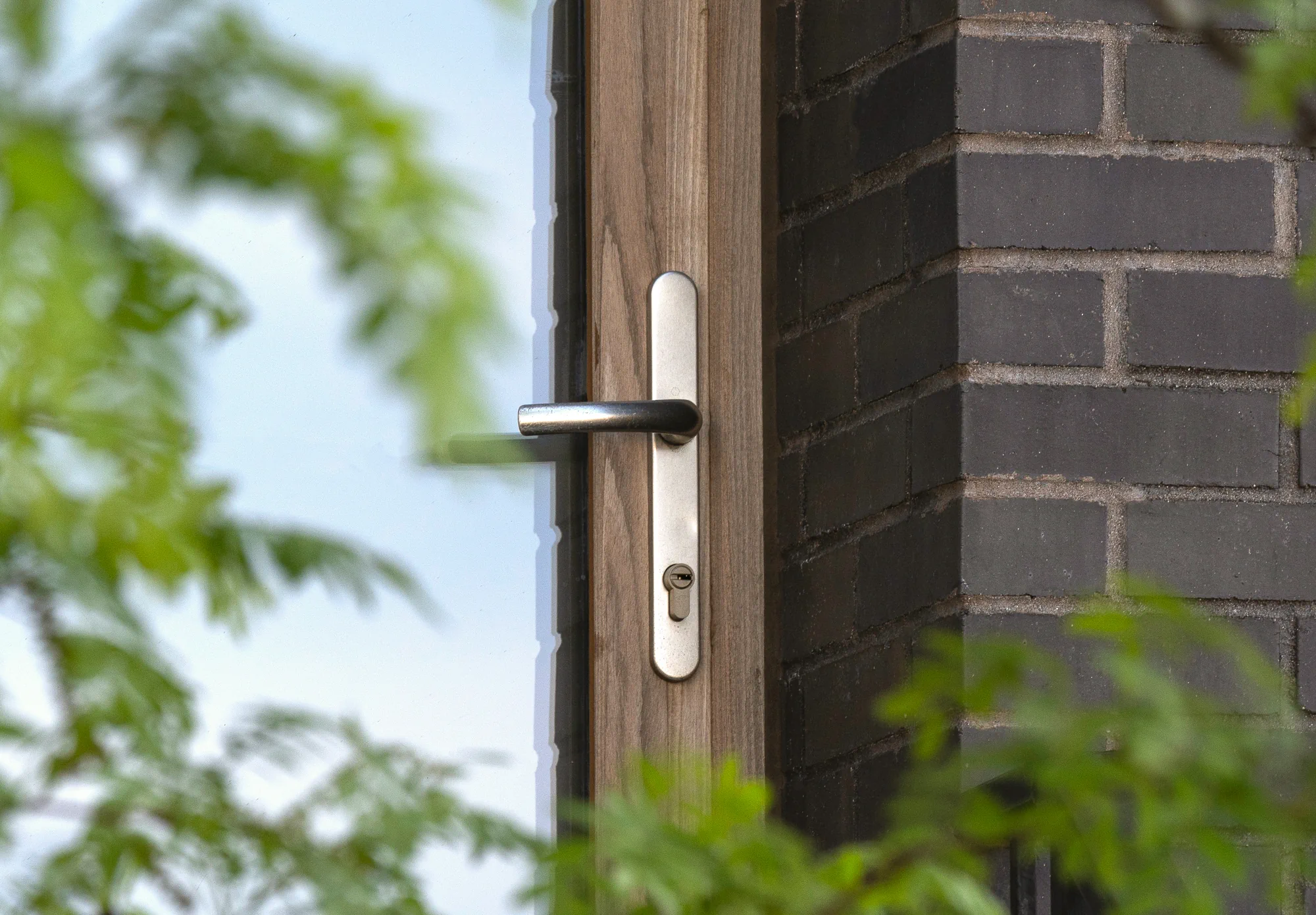
An aluminum-clad wood window has a structural core made from solid wood — the same material used in traditional window construction for centuries — with a formed aluminum shell bonded to the exterior faces. The wood provides structural rigidity, natural insulation, and the warm interior finish that homeowners choose wood for. The aluminum cladding protects the wood from rain, humidity, UV exposure, and the freeze-thaw cycles that cause unclad wood windows to swell, crack, and require repainting every few years.
From the street, an aluminum-clad wood window presents an aluminum face — smooth, painted, and maintenance-free. From inside the home, the window looks and feels like wood: the sill, the reveals, and the interior face of the frame are all real timber, finished and stained to the owner's specification. This combination is why aluminum-clad wood is the material of choice for high-end residential projects where interior quality matters as much as exterior performance.
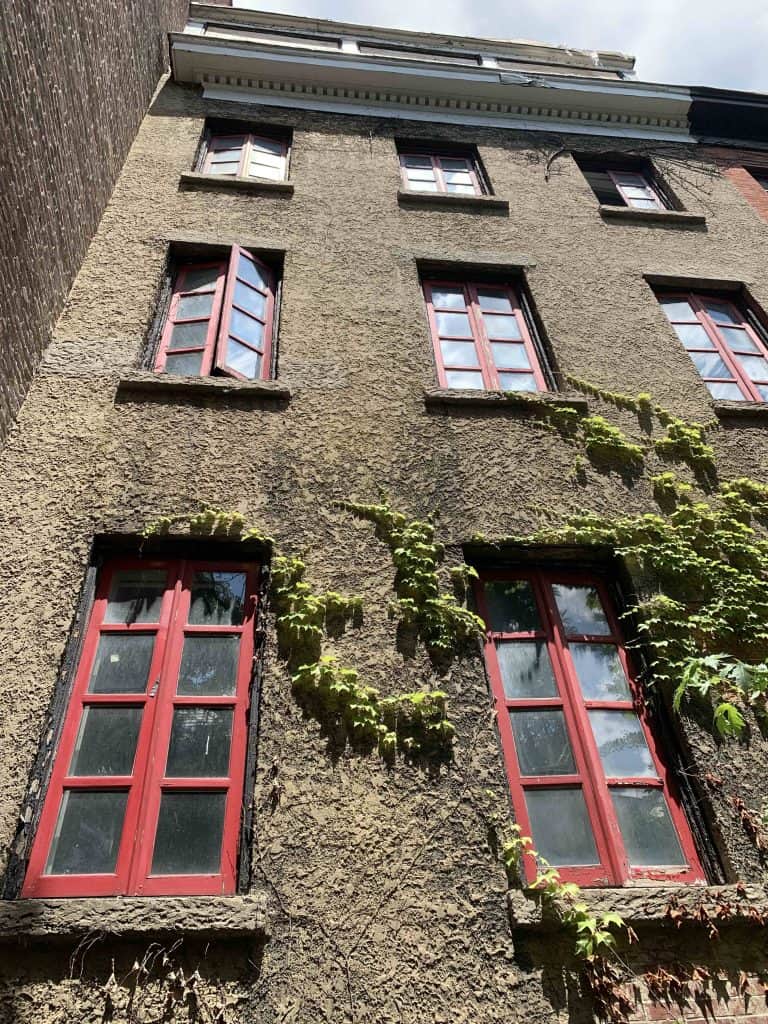
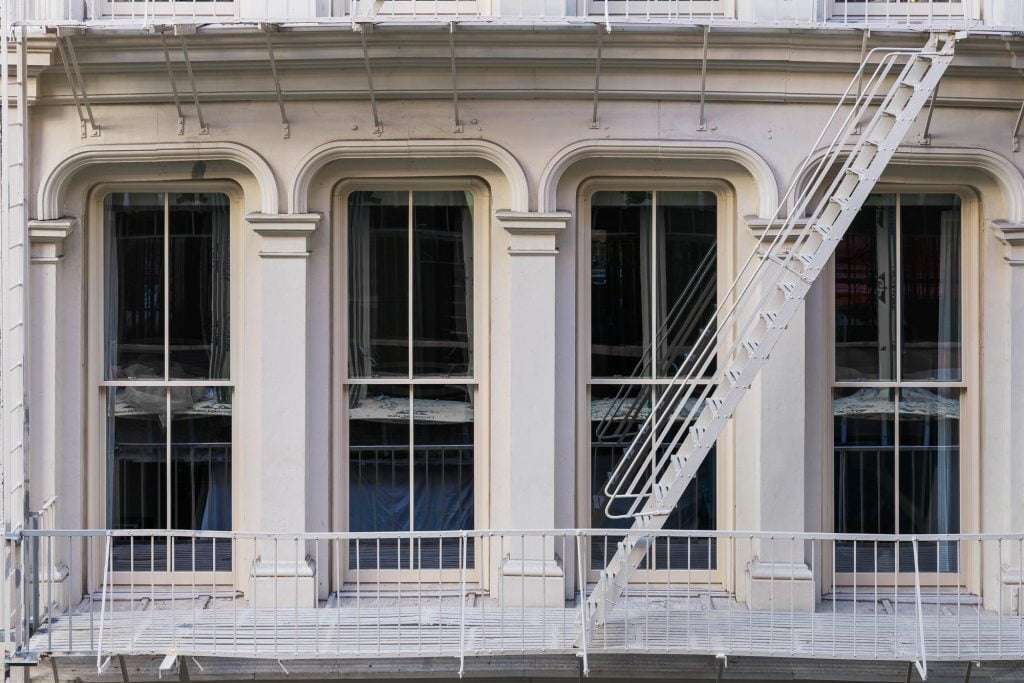
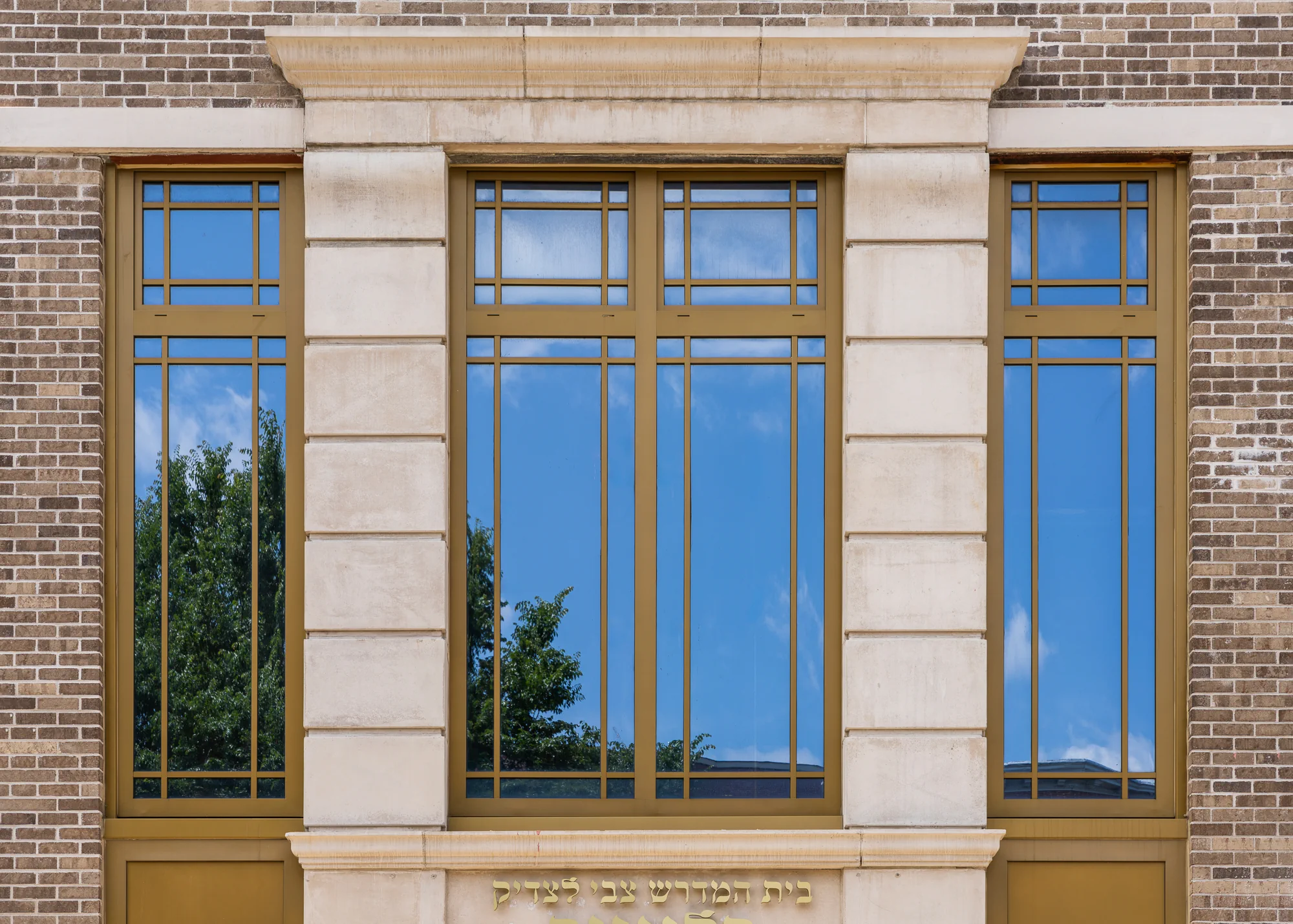
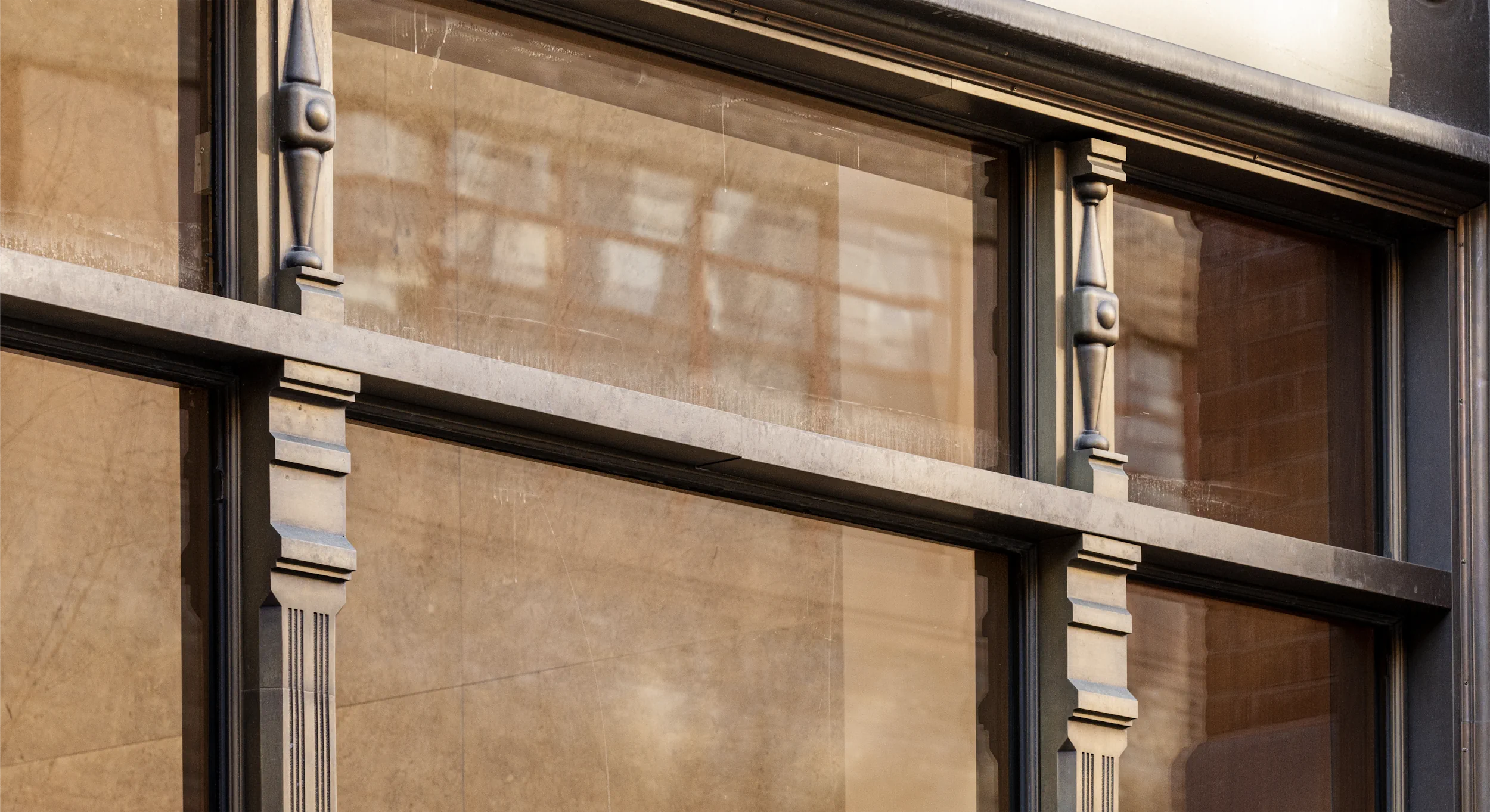
Pre-war brick or brownstone townhouse (1880–1940) — Original windows were often wood or steel casements. Steel replacement systems with authentic period profiles are the strongest match, and are typically favored by the LPC in landmark districts.
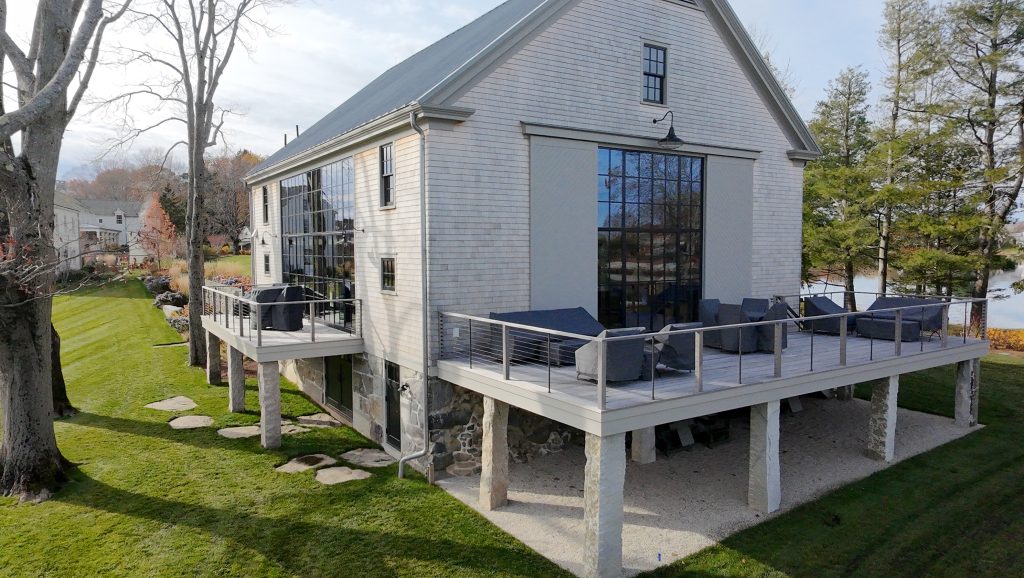
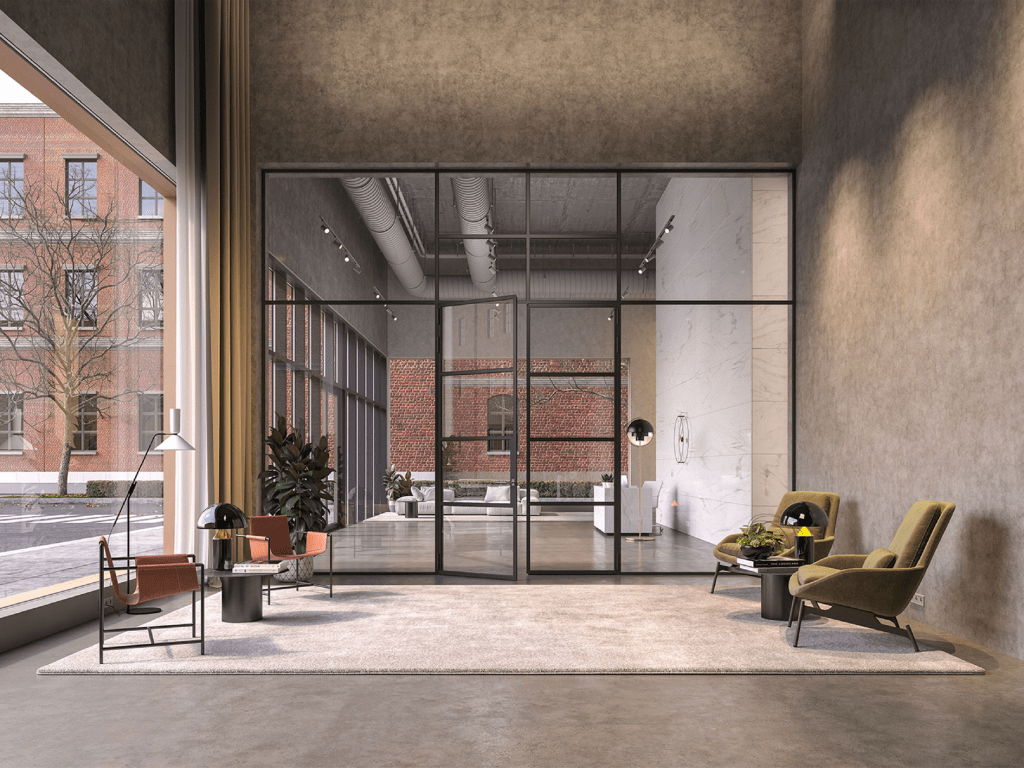
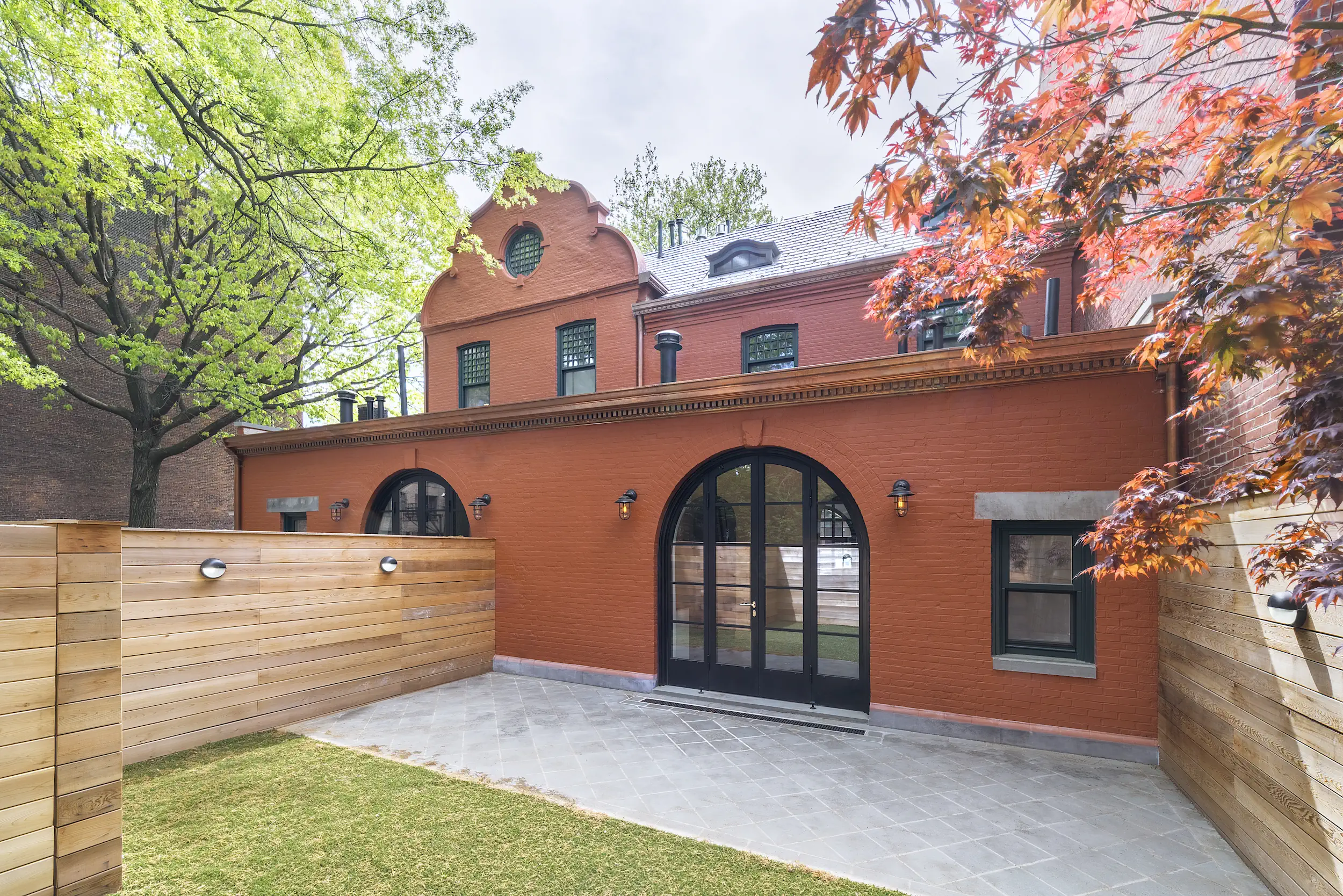
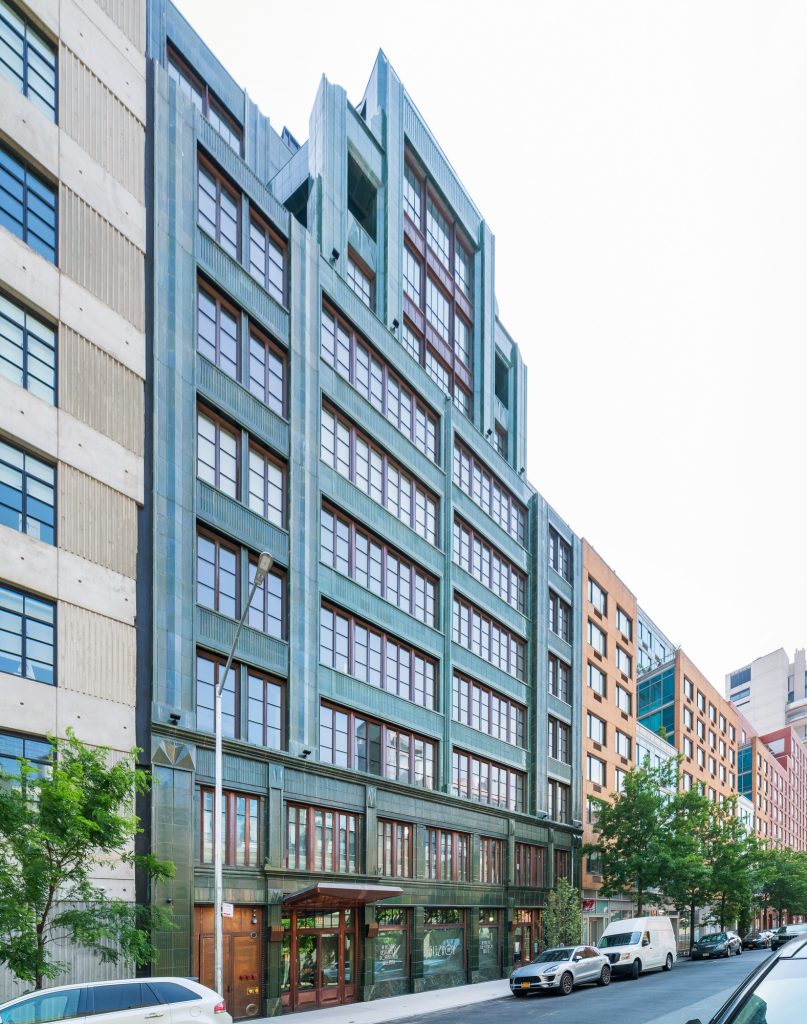
Converted loft or carriage house — Often had large industrial steel windows. Modern thermally broken steel systems with matching sightlines and fixed or pivot configurations are the natural continuation of this aesthetic.
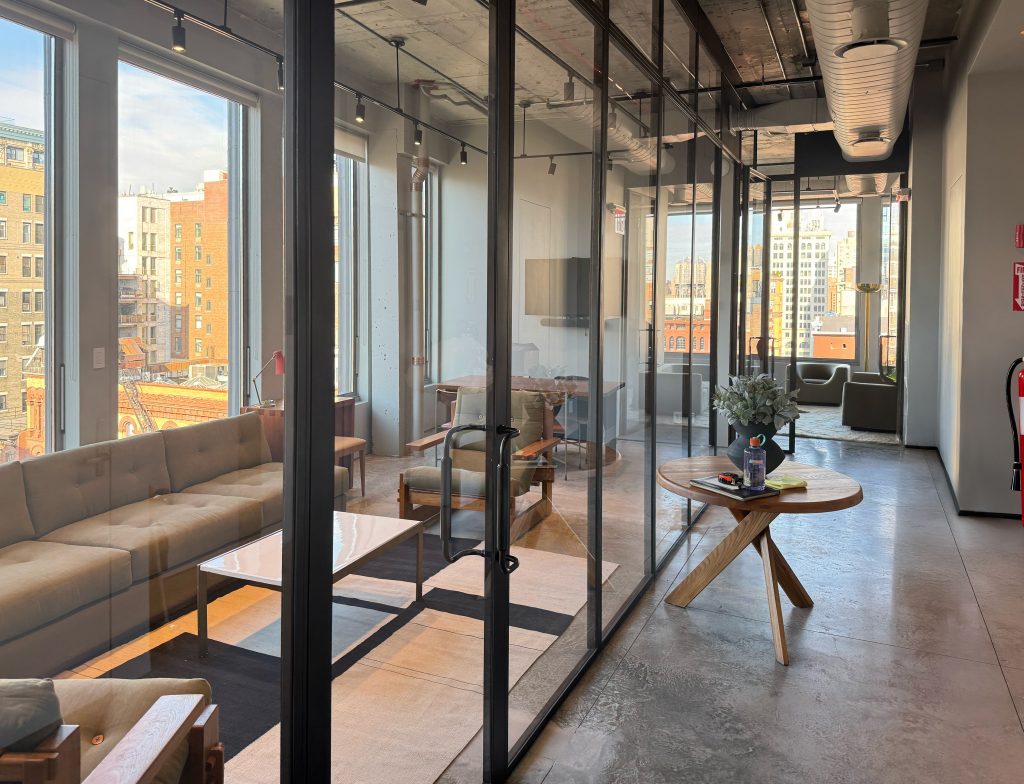
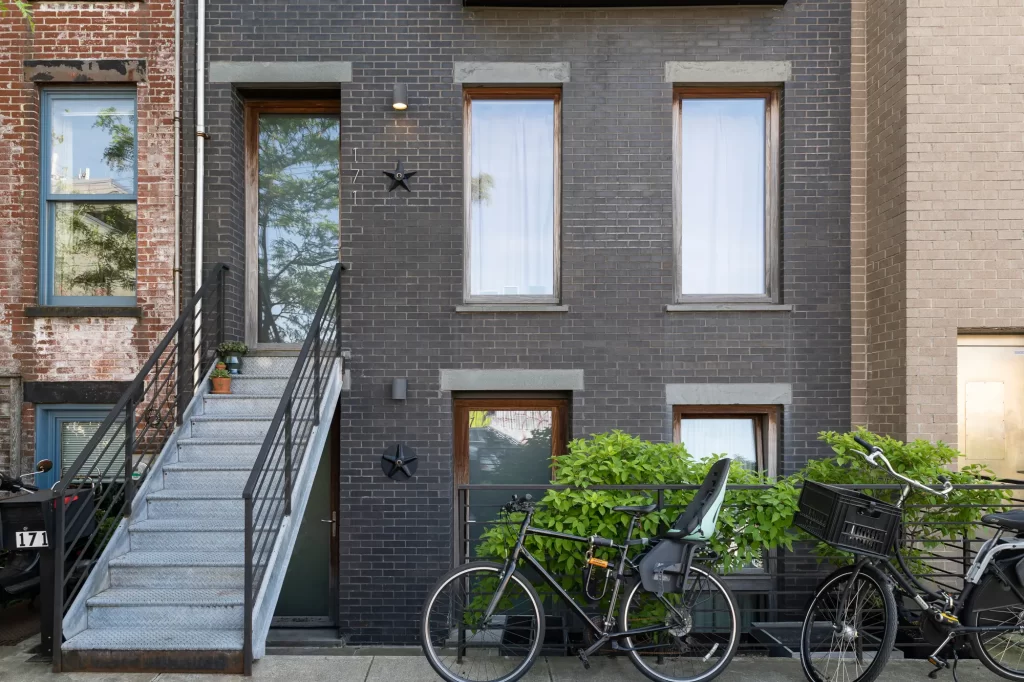
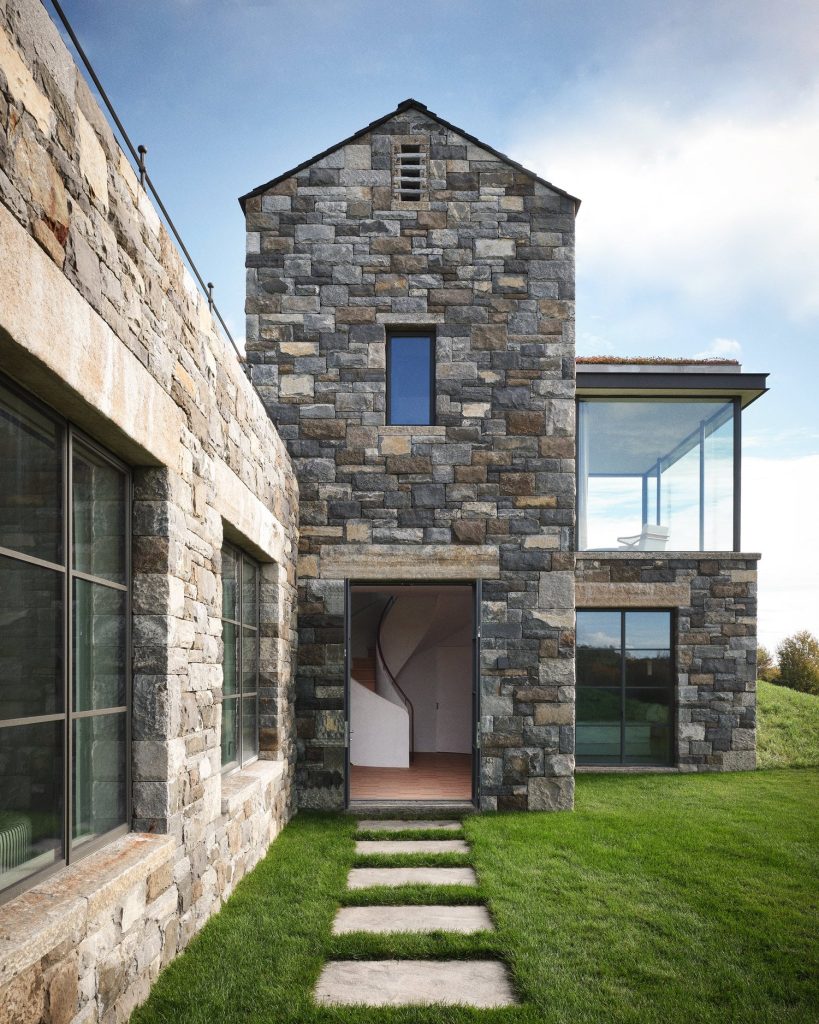
Contemporary gut renovation (any era building) — Steel windows are increasingly specified in high-end gut renovations regardless of building era, for the slim sightline and design language they provide. Architect-specified, non-landmark context.
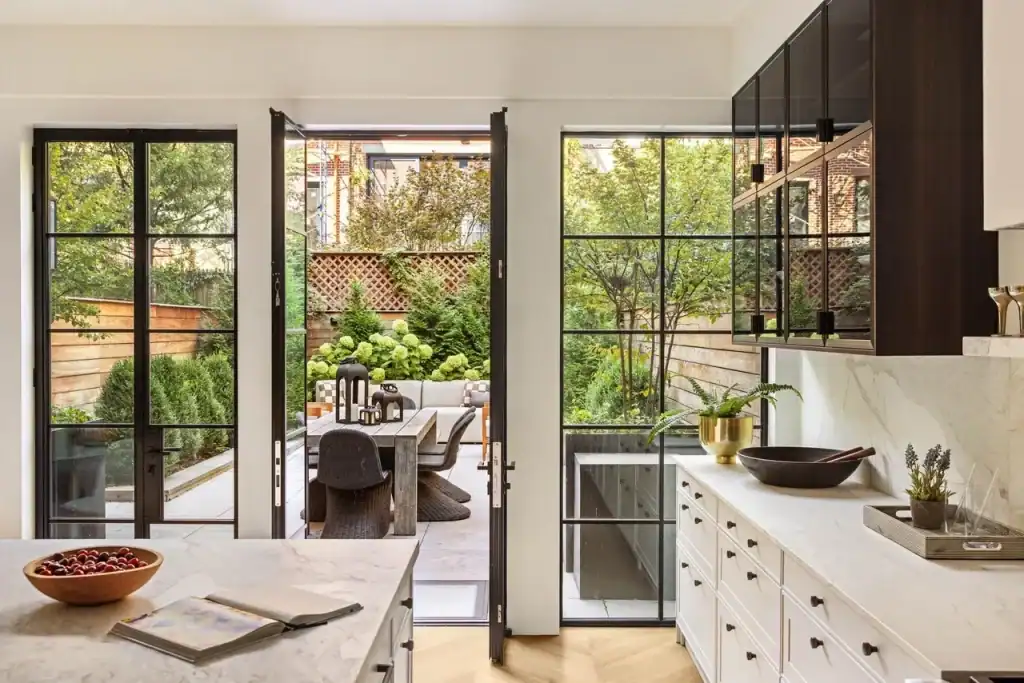
Rear extension or addition — Steel is commonly used in new rear extensions to townhouses — both landmark and non-landmark— where a contemporary glass-and-steel addition is the design intent. Can be combined with existing wood front windows.
Landmarked townhouse (LPC district) — All of the above may apply. LPC review is required. Open AWD prepares full documentation. → See our Landmark Windows page.

European-style operation: tilts inward for ventilation, swings fully open for cleaning and egress. Popular in contemporary gut renovations where the mechanical precision of the hardware is part of the design intent.

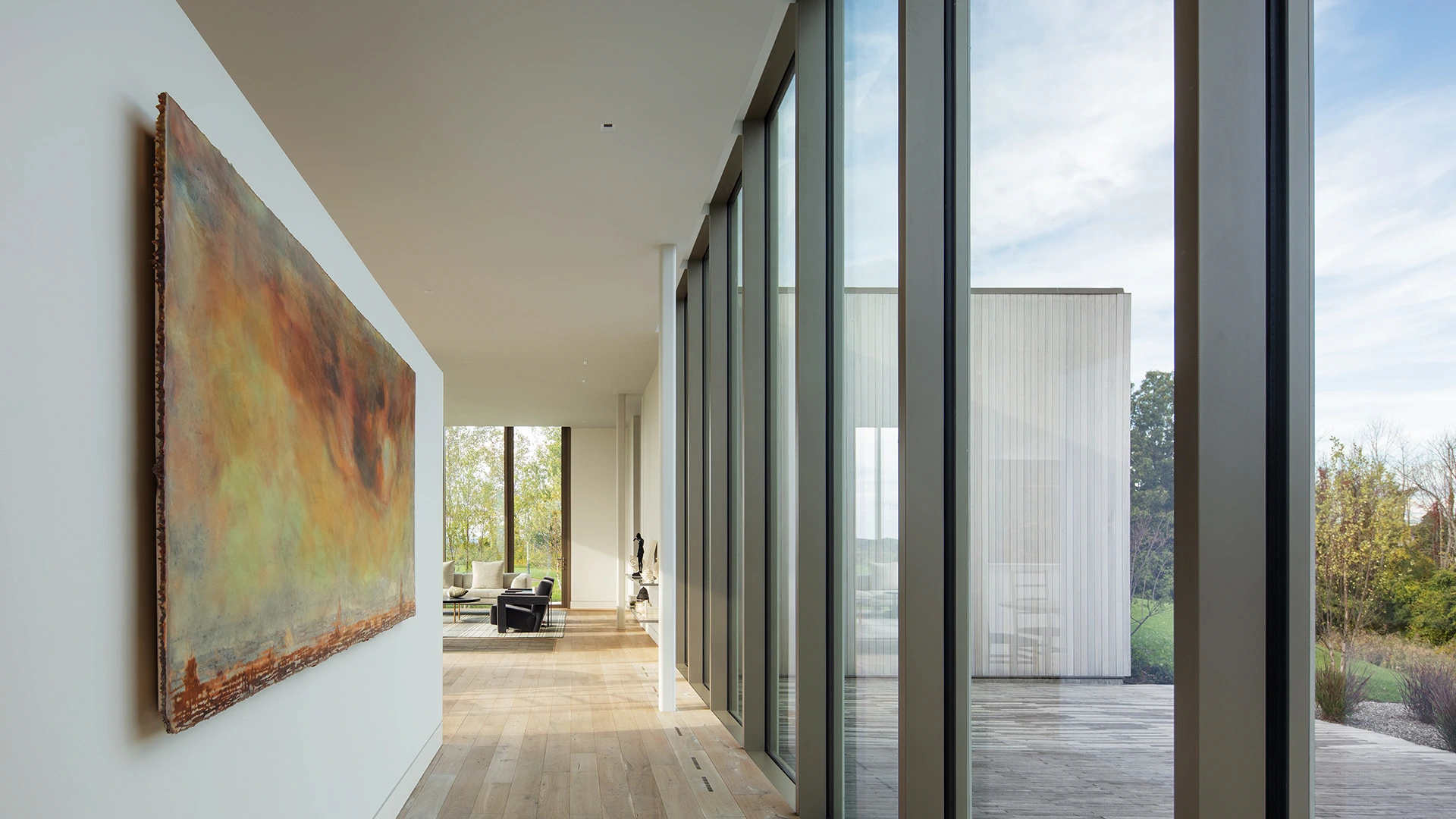
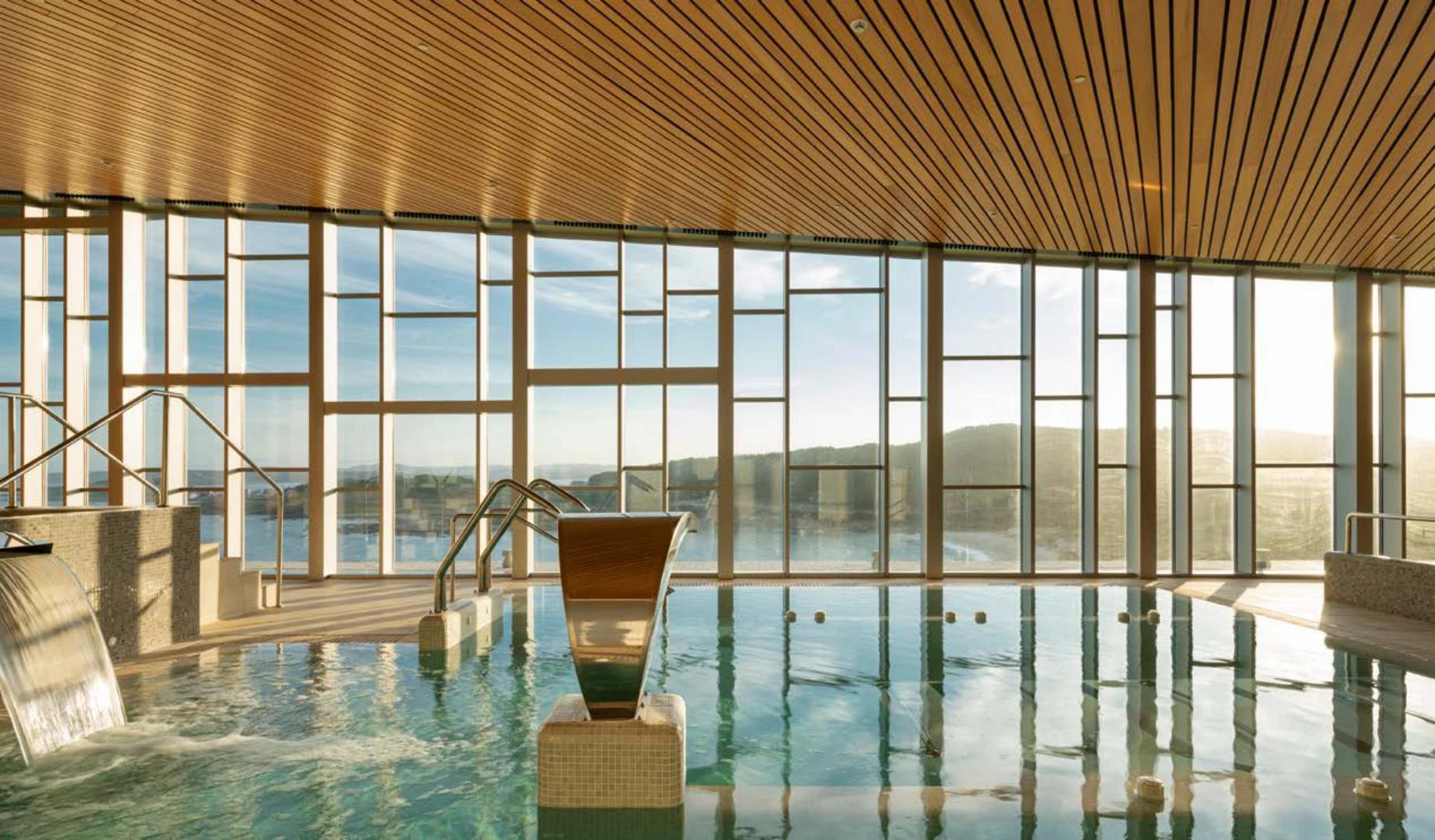
Maximum glass area, no moving parts. Often combined with operable units in the same frame for large living room or stair hall openings.

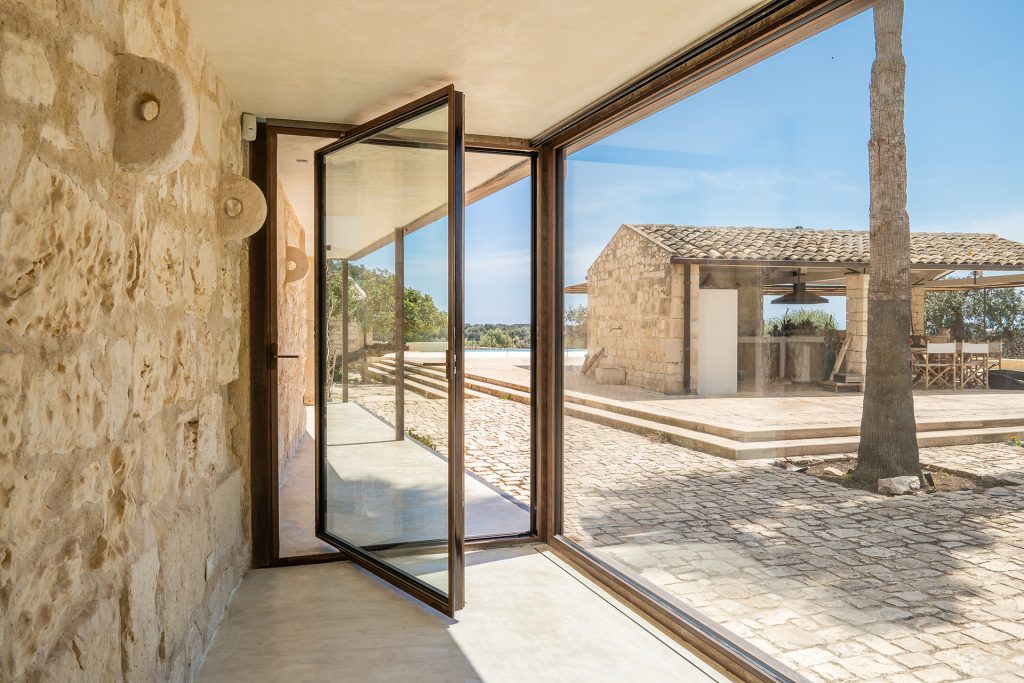
Vertically pivoting sash. Often used in loft-style spaces and contemporary townhouse renovations where a dramatic opening is a design feature.

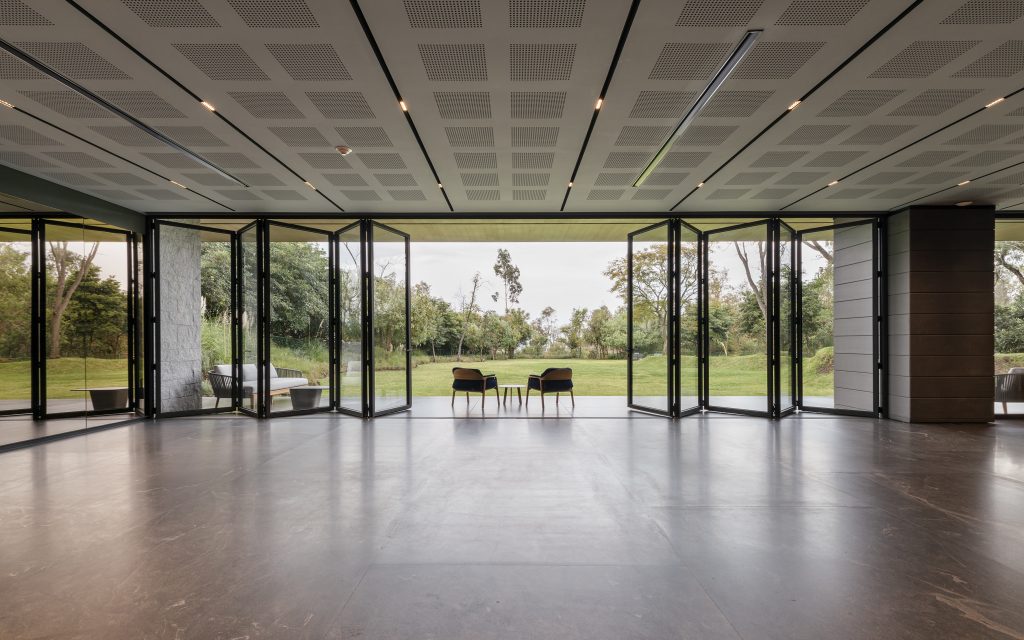
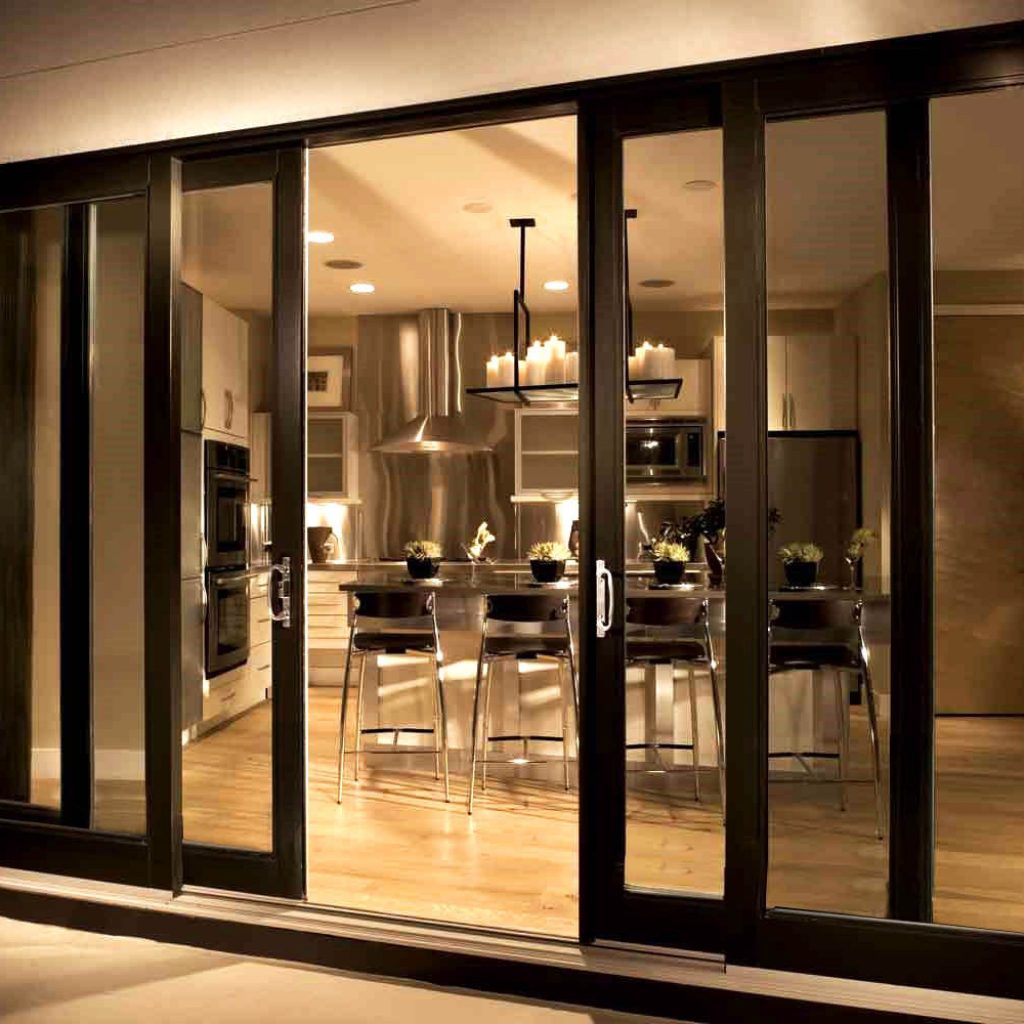
Panels move horizontally on concealed tracks. Ideal for wide openings where swing clearance is limited. Available in multi-panel configurations with fixed and operable sections. Slim sightlines and high-performance glazing options.

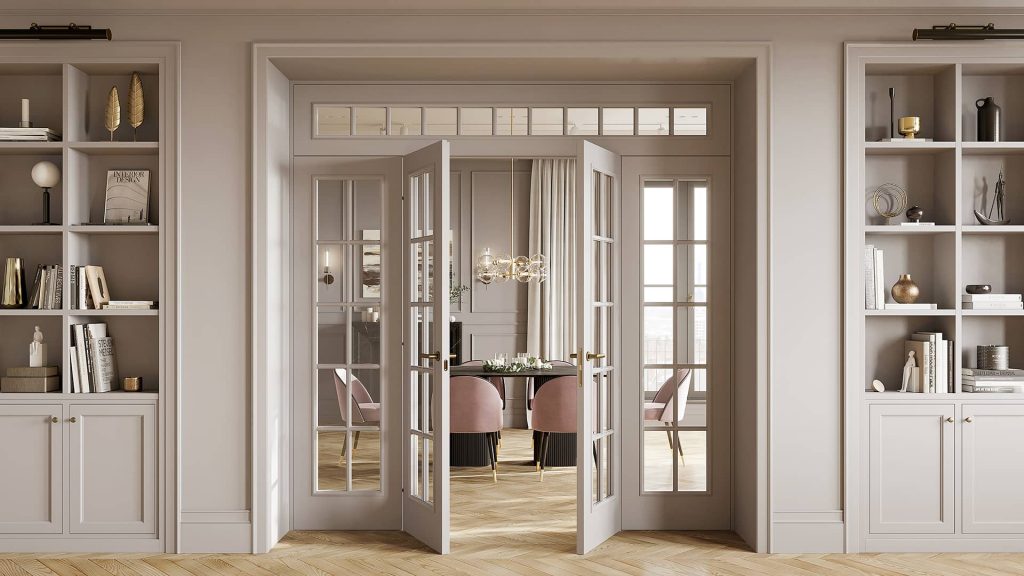
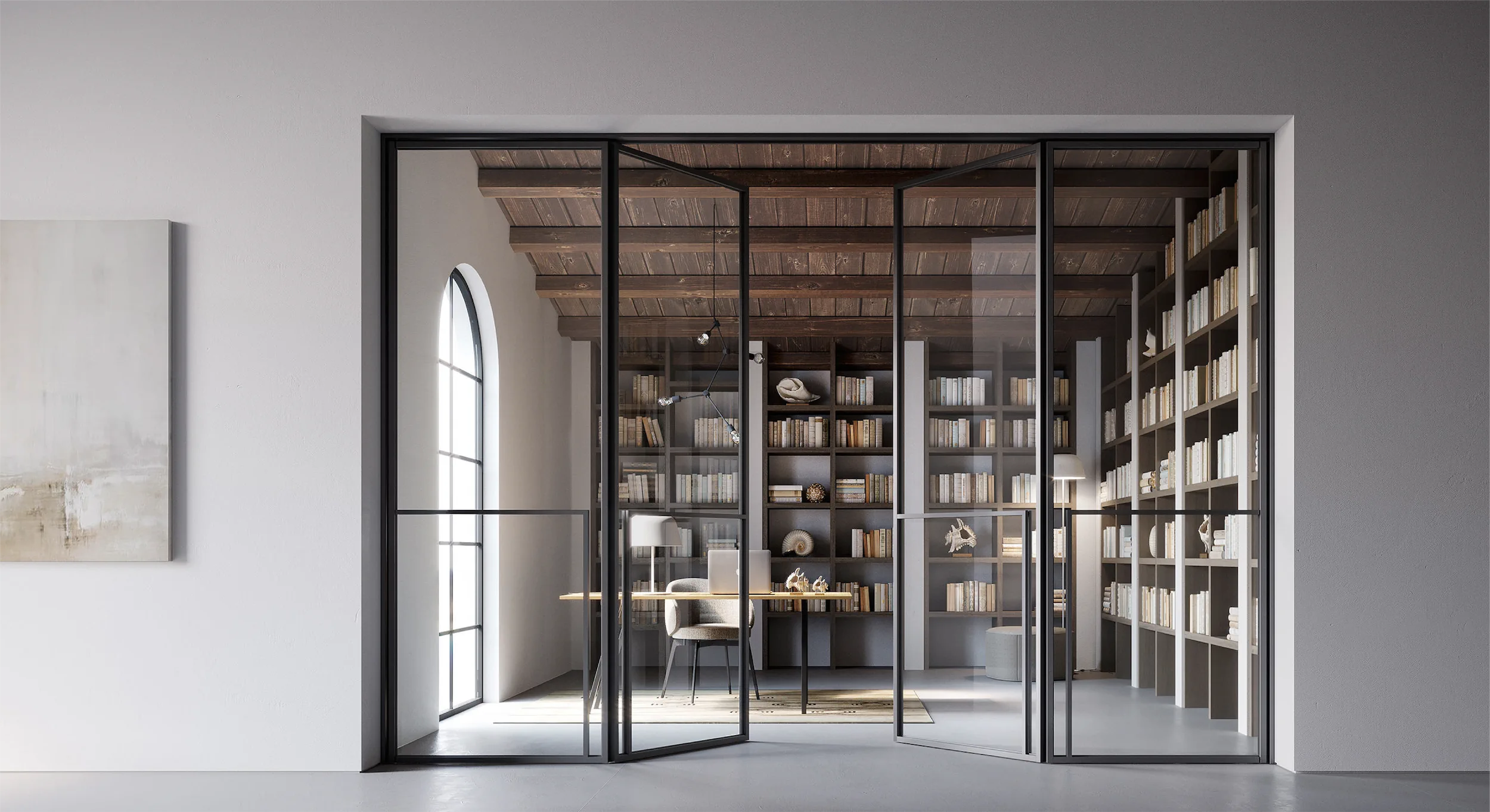
Matching steel entrance doors, French doors, and sliding or pivot interior doors. Profile and finish coordinated with the window system for a unified look.