We plan, specify, and deliver every window and door in your project as one coordinated system.
Trusted local window experts serving you since 2008
We plan, specify, and deliver every window and door in your project as one coordinated system.
Trusted local window experts serving you since 2008
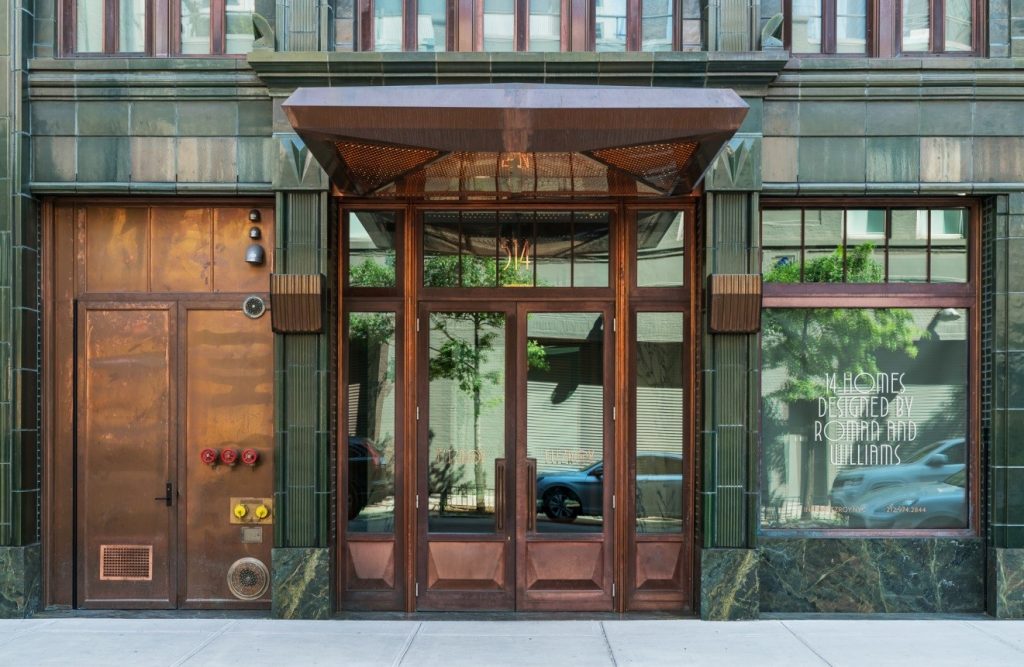
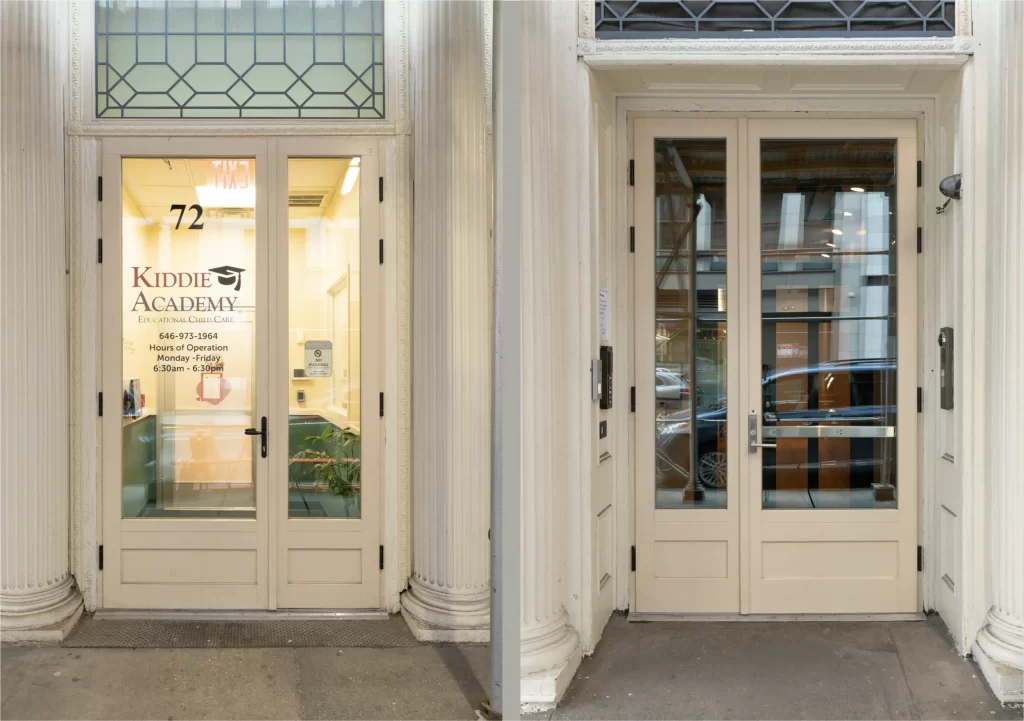
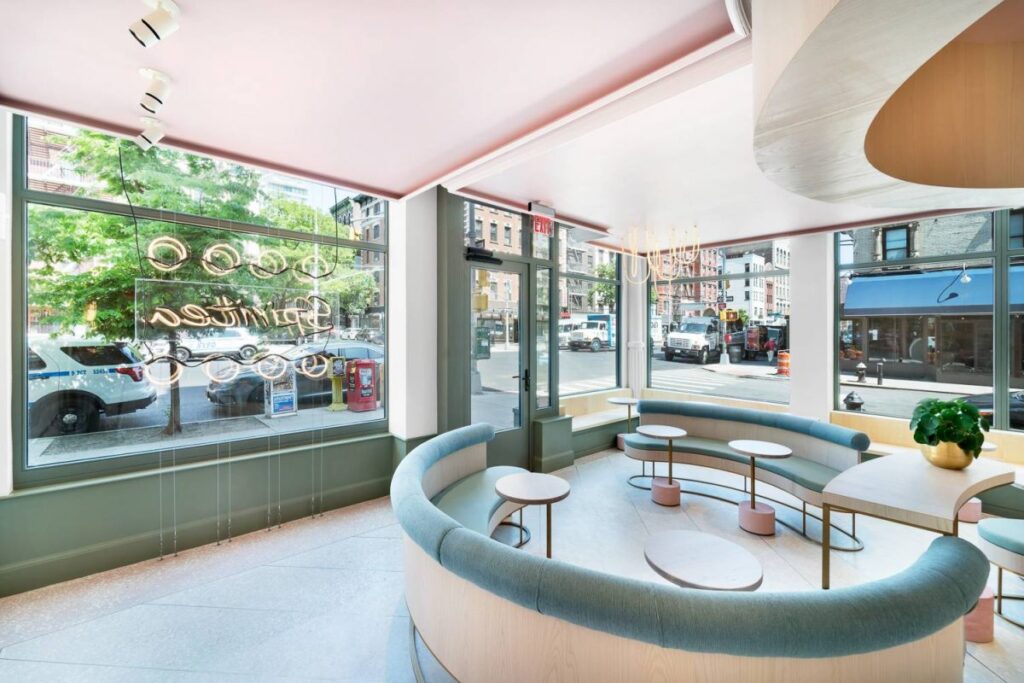
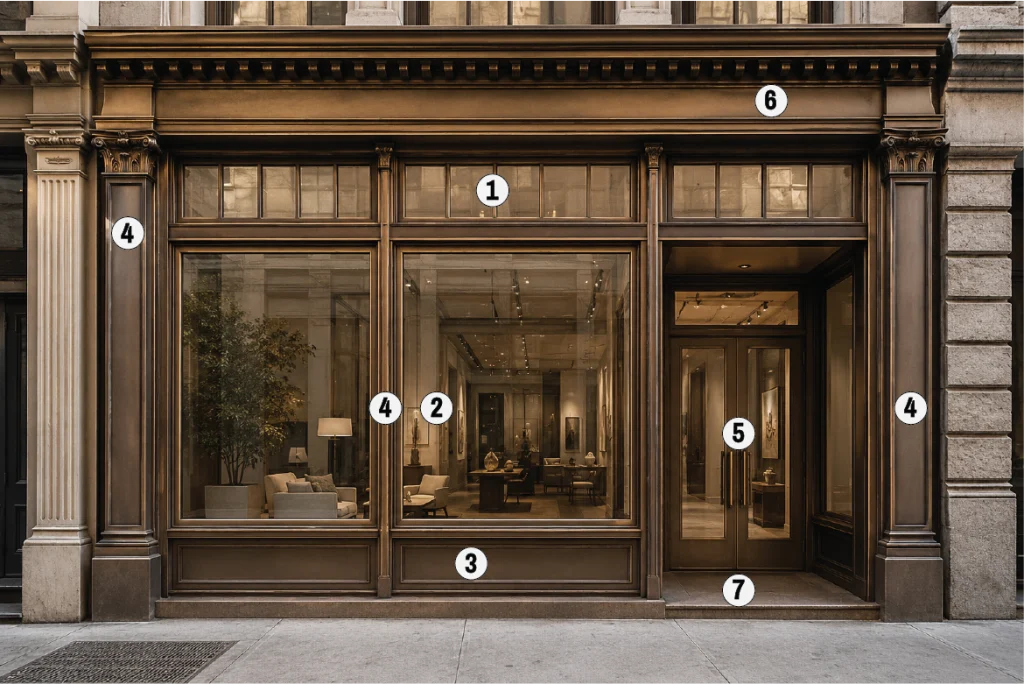
A commercial storefront in a New York City historic district is not simply a large window. It is an architectural element with specific proportions — the relationship between the transom, the display window, the bulkhead, the pilasters, and the entrance door — that defines the visual character of the building at street level and is protected by the LPC's designation of the district.
In SoHo's Cast Iron Historic District, storefronts are particularly regulated: the LPC's guidelines specify acceptable materials, profile geometries, glass types, and the preservation or replication of original cast iron elements. Replacing a SoHo storefront with a standard commercial aluminum curtain wall system is not acceptable — the commission requires systems that replicate or are visually compatible with the building's original facade expression, which in most cases means custom-fabricated steel or bronze profiles that match the original sightlines and proportions.
In Greenwich Village, Tribeca, and the Gansevoort Market Historic District, the requirements vary by building era and facade type, but the underlying principle is the same: the storefront must relate authentically to the building's historic character. Open AWD works with commercial architects and property owners to identify the right system for each building's specific designation requirements and facade conditions.
Slimmest profiles — closest match to original cast iron and early steel storefronts
Fixed display windows, transoms, and entrance doors in one coordinated system
Thermally broken options available
LPC-preferred for SoHo and Tribeca cast iron buildings
Custom profile fabrication to match original geometry
Historically appropriate for Beaux-Arts and early 20th century commercial buildings
Ages naturally to match original bronze hardware and facades
LPC-appropriate for high-end historic restorations
Greenwich Village and Upper East Side applications
Highest cost — longest lifespan
Thermally broken — meets NYC energy code
Slim profiles accepted by LPC in many commercial districts
Most cost-effective for multi-opening commercial facades
Full RAL color range — custom color matching
Faster lead time than steel or bronze
Matching steel, bronze, or aluminum entrance doors
Pivot, swing, and sliding configurations
ADA-compliant hardware available
Coordinated with storefront system profile and finish
Interior vestibule systems for cold climate separation
| SoHo–Cast Iron Historic District | NYC’s most regulated commercial district for storefronts. Original cast iron facades require steel or bronze systems with matching profile geometry. LPC guidelines are specific and detailed. Open AWD has completed storefront projects in SoHo and is familiar with the commission’s precedent in this district. |
| Greenwich Village Historic District | Mixed commercial stock from Federal through mid-century eras. Storefront requirements vary significantly by building. Wood, steel, and aluminum systems are all used depending on building era and original construction. One of the most active commercial landmark districts in NYC. |
| Tribeca Historic Districts (North, South, East, West | Predominantly early twentieth century commercial loft buildings. Large window openings, steel or aluminum systems with industrial character. LPC review is active across all four Tribeca districts. |
| Gansevoort Market Historic District | Former meatpacking district buildings. Early twentieth century commercial character with large openings. Increasingly active renovation market as the neighborhood has transitioned to retail and hospitality. |
| Flatiron / Ladies’ Mile Historic District | Late nineteenth and early twentieth century commercial buildings. Large display windows, ornate facades. Steel and bronze systems appropriate for high-end retail contexts. |
| Other Manhattan and Brooklyn commercial districts | Including DUMBO, Fulton Ferry Landing, and sections of the Upper West Side and Upper East Side with designated commercial buildings. Contact us to confirm LPC status and requirements for your specific address. |
Replacing deteriorated original storefronts
LPC compliance for building sale or refinancing
Coordinating with retail tenant buildout
Long-term durability and low maintenance
Need: clear process, documentation, single contact
Specifying storefront systems for tenant fit-out
LPC submission preparation
Profile matching to existing building fabric
CAD/shop drawings for permit set
Need: technical specs, fast response, samples
Customizing storefront as part of brand buildout
LPC approval required before fit-out begins
Coordination with landlord and architect
Brand color and finish requirements
Need: timeline certainty, design flexibility
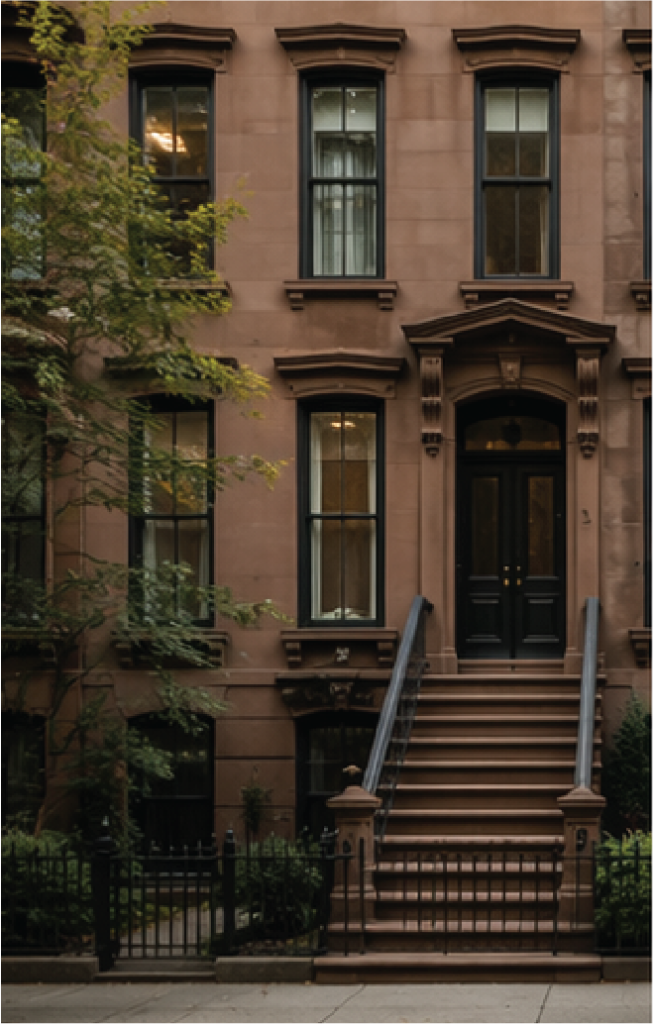
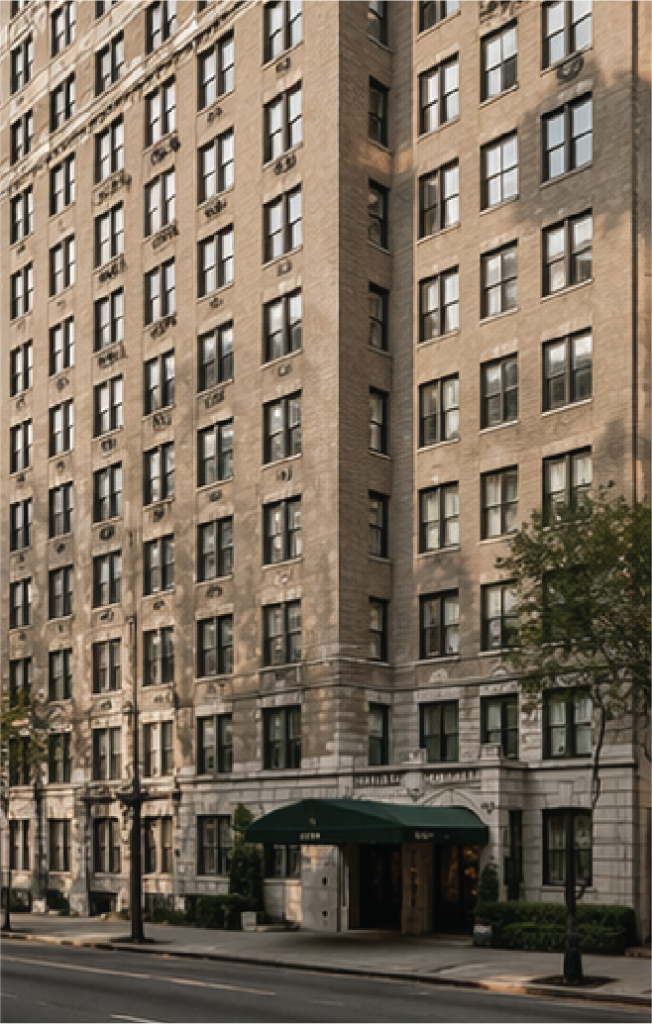
Location — SoHo Cast Iron building, Greene Street
Landmark district
System — Custom steel storefront with matching transom”
Challenge — Replicating original cast iron profile geometry in steel
LPC — тип approval і timeline Result —
Location — SoHo Cast Iron building, Greene Street
Landmark district
System — Custom steel storefront with matching transom”
Challenge — Replicating original cast iron profile geometry in steel
LPC — тип approval і timeline Result —
Tell us your building address and what you need to replace or restore. We'll confirm LPC requirements and recommend the right system.
Request a technical briefing or spec sheet. We provide shop drawings, profile samples, and LPC documentation as part of our standard commercial project process.
If you're planning a storefront as part of a new lease or fit-out, we can advise on what LPC will and won't approve — and how to work within those constraints to achieve your brand's design intent.