Custom Steel Windows for NYC Townhouses — Slim Profiles, Historic & Modern

Limited-time 10% discount
on your first project

Trusted local window experts serving you since 2008
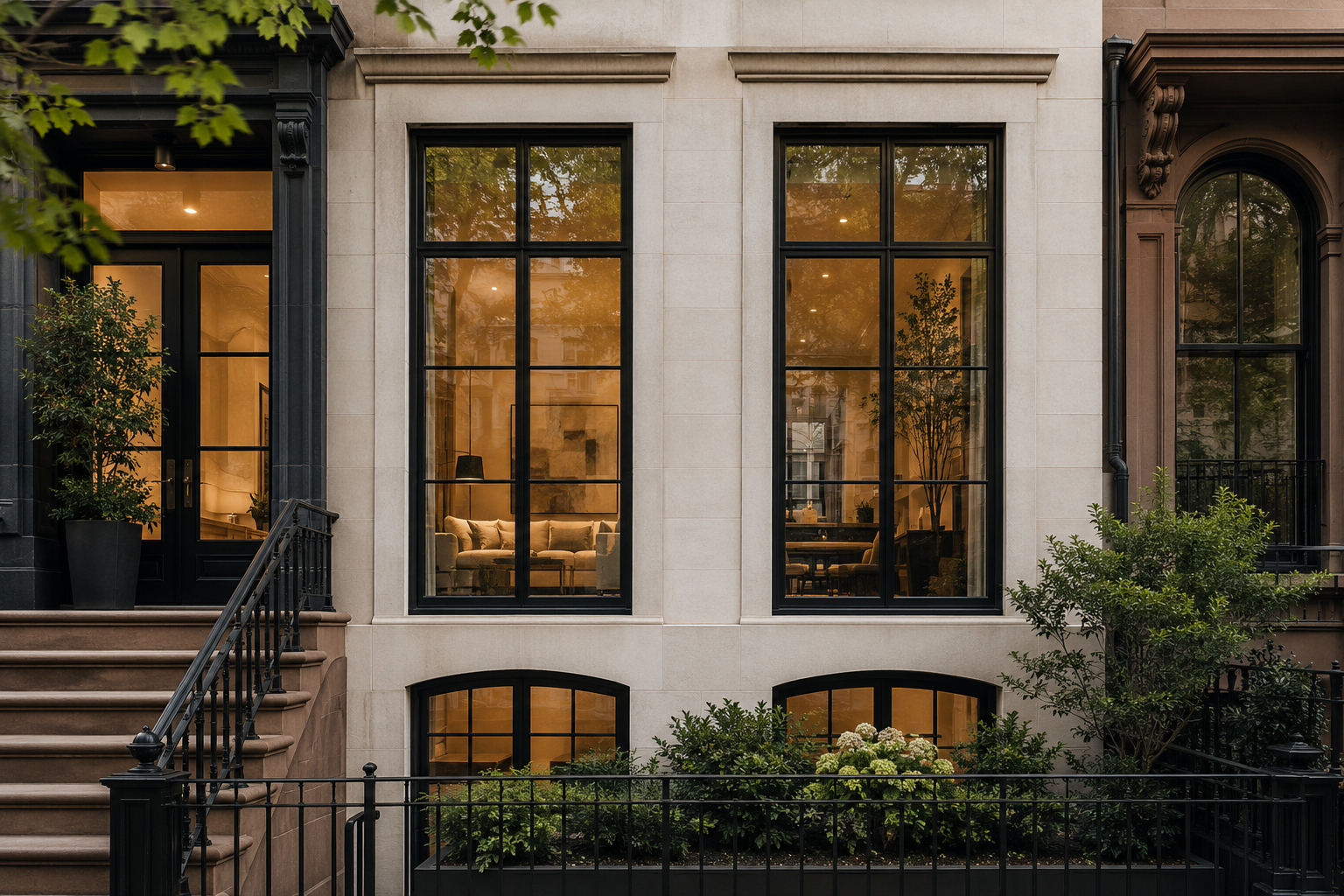
Steel windows offer what no other material can: face widths as narrow as 1 inch, structural rigidity across large spans, and a visual character that is authentic to New York City's townhouse and loft building stock. Open AWD supplies custom steel window and door systems for residential townhouses, historic brownstones, and architect-led renovation projects across Manhattan and Brooklyn — including LPC-approved systems for landmarked buildings.
- Steel sightlines from 1 inch (25mm)
- LPC-approved systems for landmark townhouses
- Manhattan & Brooklyn — serving NYC since 2008
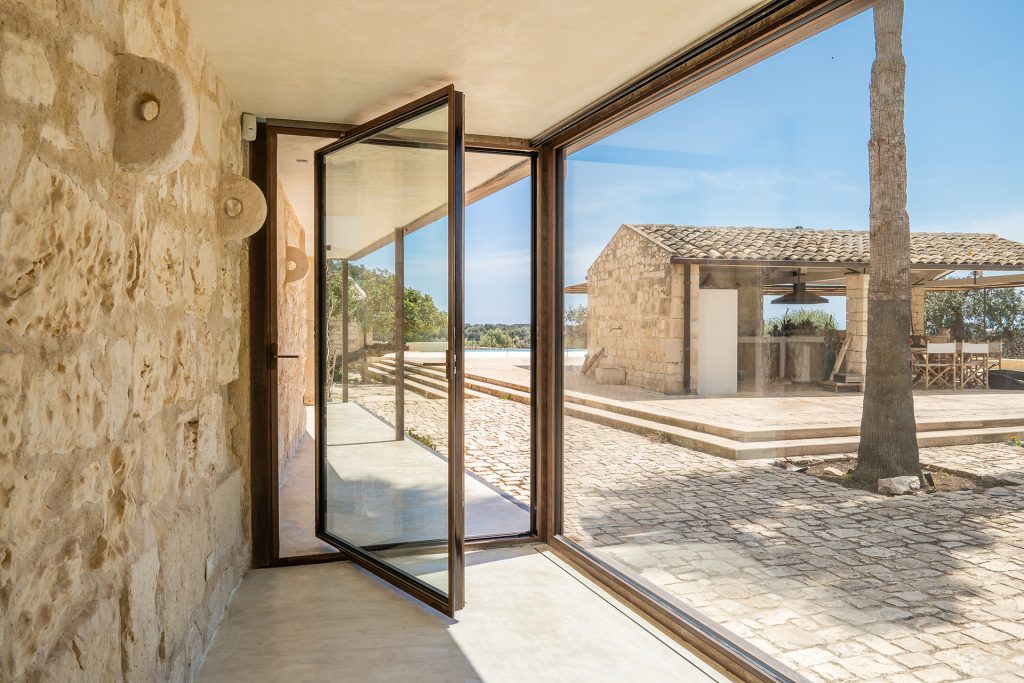
- Casement · Fixed · Pivot · Steel doors & partitions

Limited-time 10% discount
on your first project

Trusted local window experts serving you since 2008

Why Steel? When Sightlines and Character Are the Priority

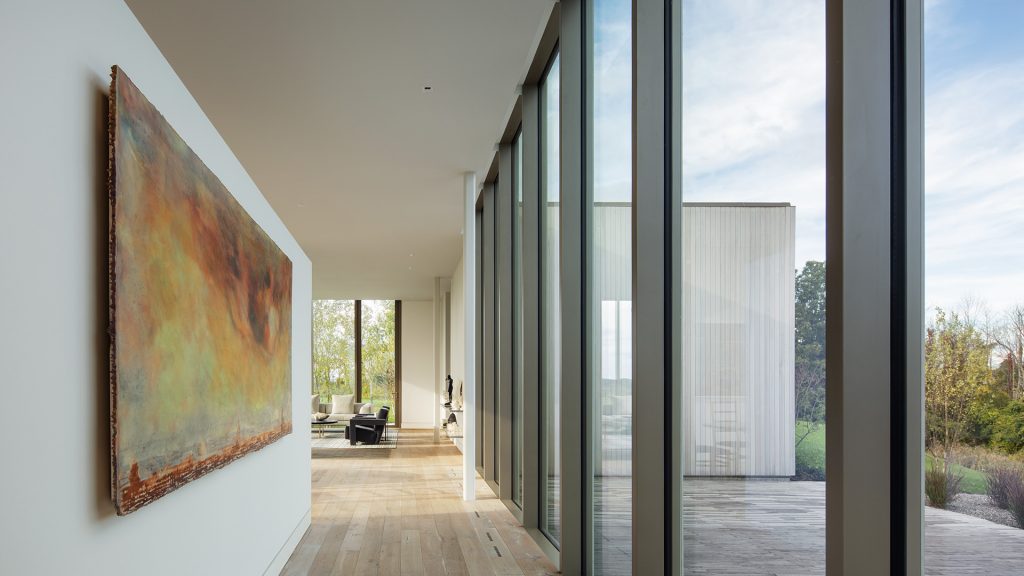
Steel is the only material that allows face widths below 1.25 inches while maintaining structural integrity across large openings. No other window material — wood, aluminum, or fiberglass — can achieve the same combination of slimness and strength. This is why steel was the material of choice for New York City's townhouses, loft buildings, and industrial conversions built between 1900 and 1950, and why architects today specify steel when they want to replicate or continue that visual language.
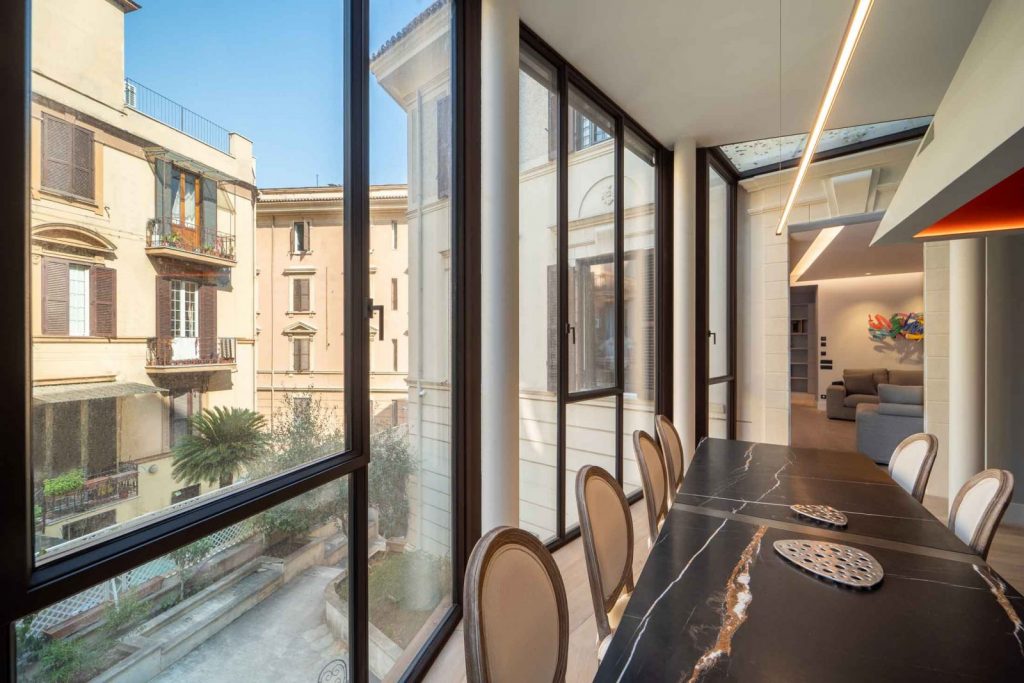
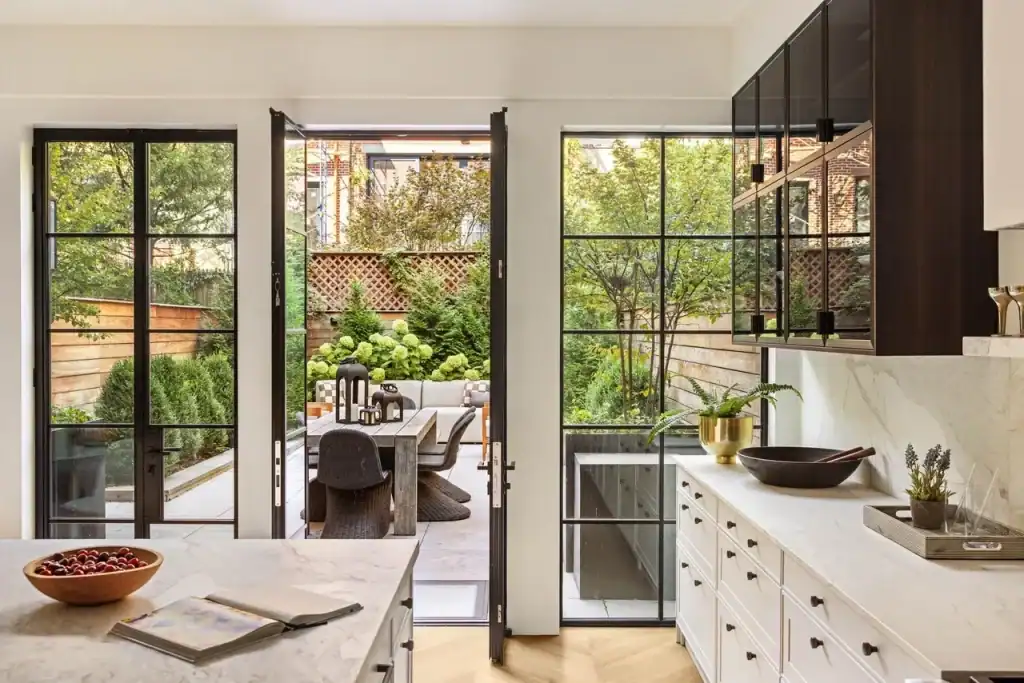
For NYC townhouses specifically, steel windows read differently from a design standpoint. The narrow sightlines create maximum glass area, which is critical in townhouse rooms that often have limited façade openings. The profiles have weight and definition that aluminum systems with similar dimensions cannot fully match. And for buildings in landmark districts, steel replacement windows are often the system the LPC favors when the original windows were steel.
The trade-off is cost and lead time: steel fabrication is more specialized than aluminum, and production typically takes twelve to twenty weeks. Open AWD works with European steel window manufacturers whose systems are designed specifically for the NYC residential market.
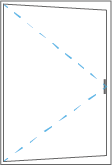
Technical Specifications — Steel Window Systems

Profile and Dimensions

– Width (sightline): from 1 in (25mm)

– Frame depth: 2–4 in (50–100mm)

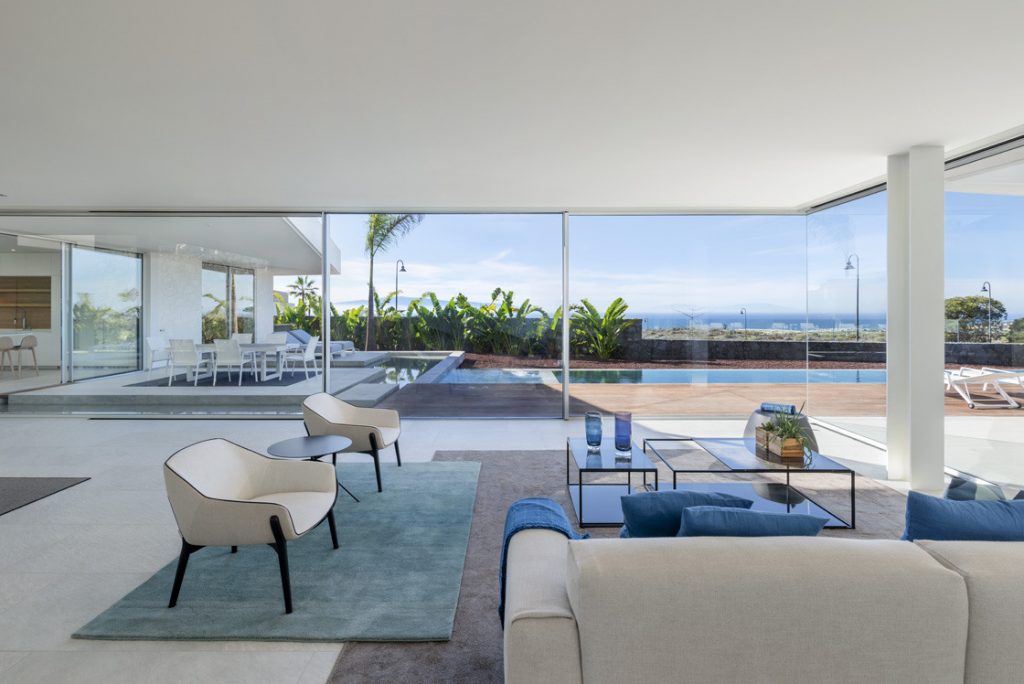
– Max single panel: up to 10 ft height

– Max panel width: system-dependent

– TDL and SDL options available

Performance

– Thermally broken profiles available

– U-factor: from 0.28 (thermally broken + triple)

– Double & triple IGU options

– Acoustic: up to STC 48

– NYCECC compliant configurations

Finish Options

– Powder coat — RAL full range

– Custom color matching available

– Galvanized primer standard

– Interior/exterior different colors

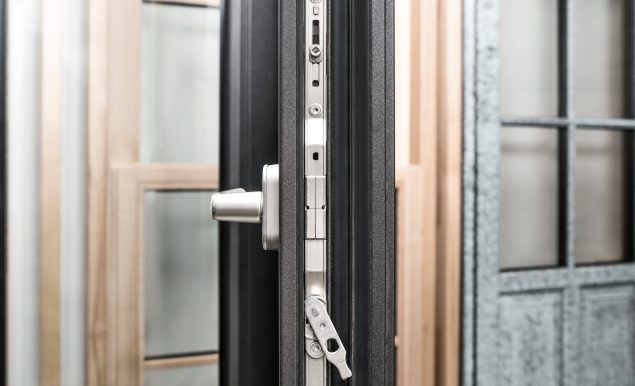
– Hardware: brass, bronze, SS, matte black

Landmark and Compliance

– LPC-compatible profiles available

– Shop drawings for LPC submission

– Matching original steel profiles

– NYC DOB compliant

– CAD/PDF spec sheets on request
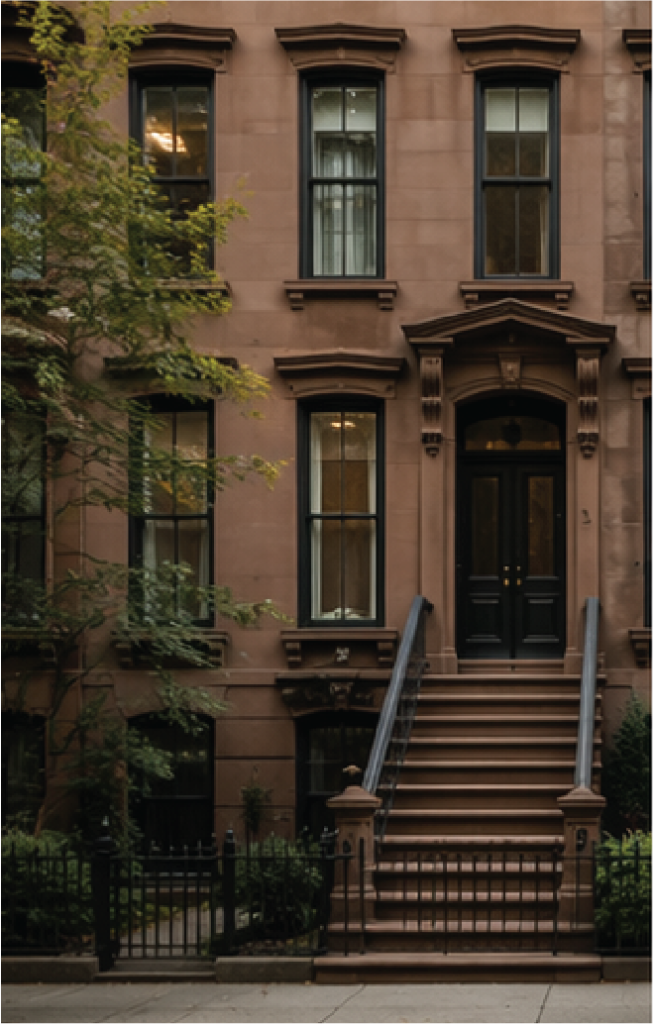
Which Townhouse Types Can You Work With?

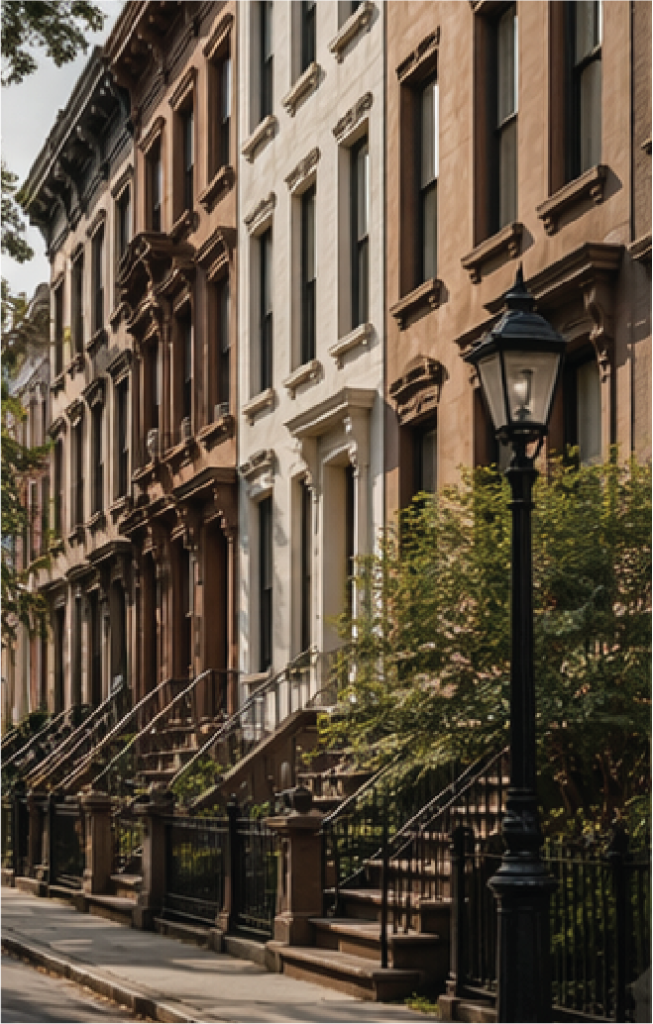
brownstone rowhouse
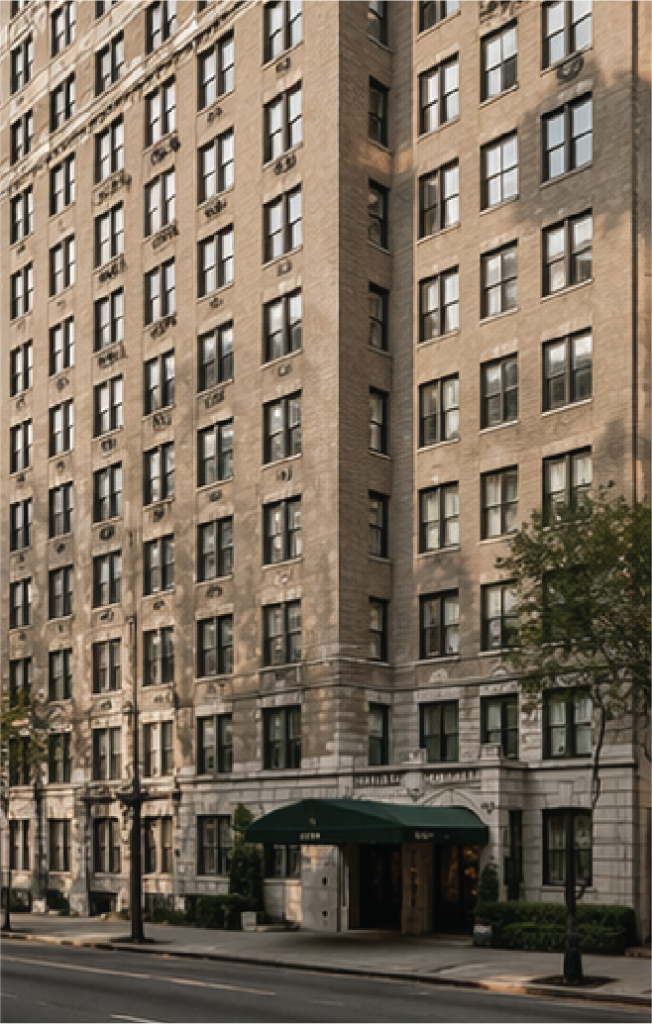
Pre-war co-op or apartment building
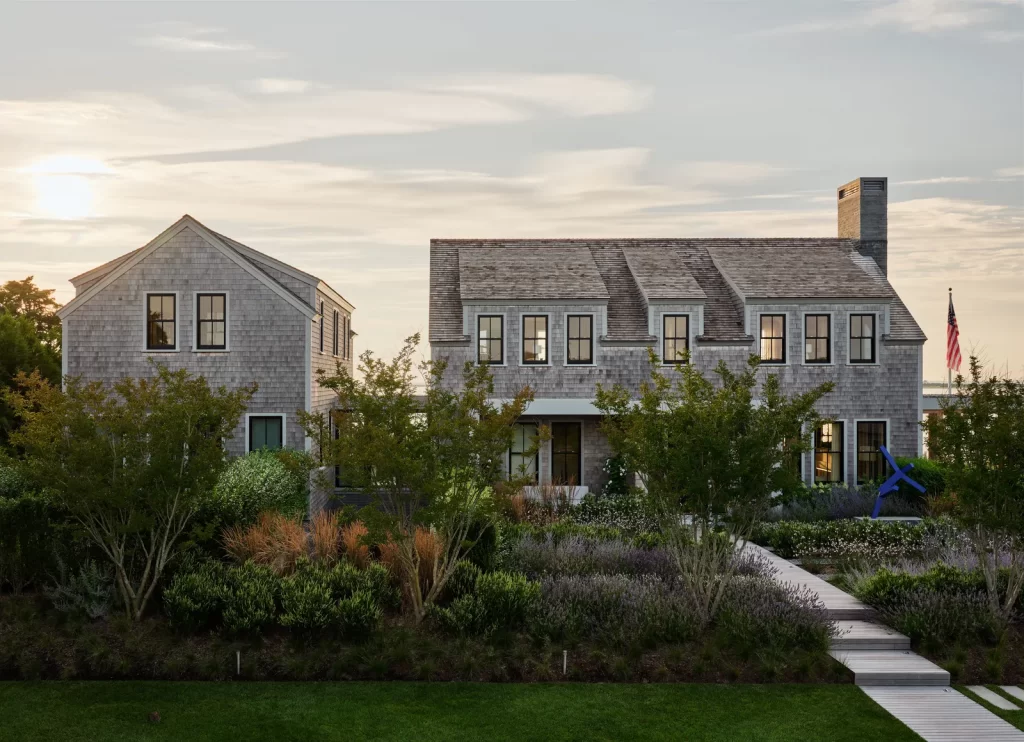
townhouse
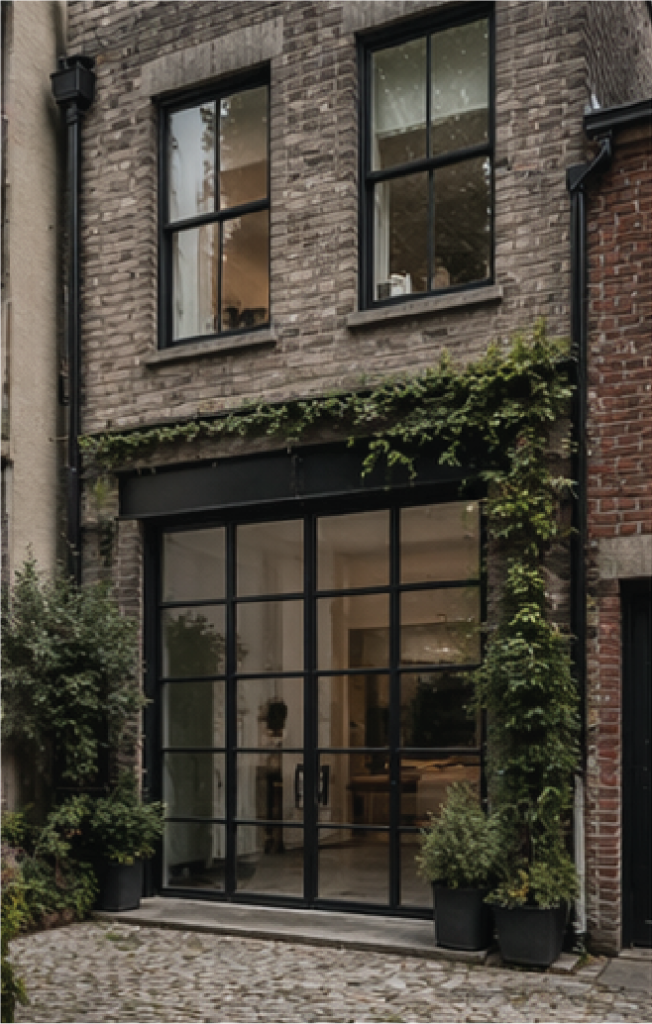
carriage house or mews building

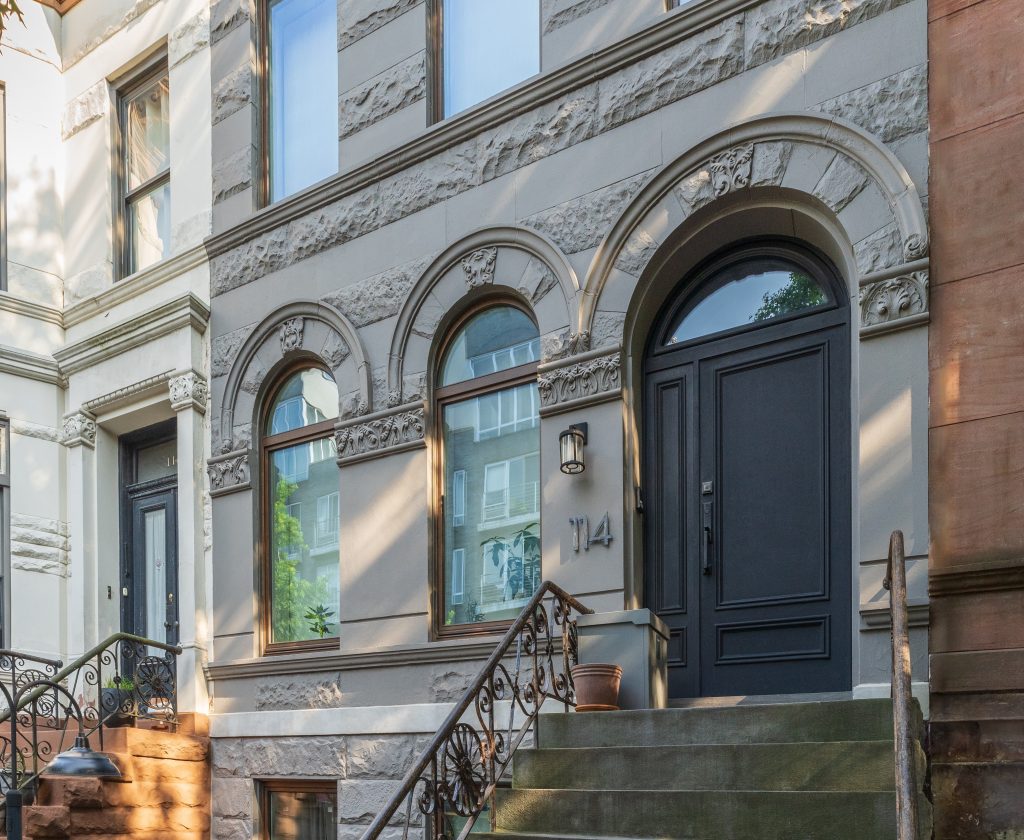
Pre-war brick or brownstone townhouse (1880–1940) — Original windows were often wood or steel casements. Steel replacement systems with authentic period profiles are the strongest match, and are typically favored by the LPC in landmark districts.

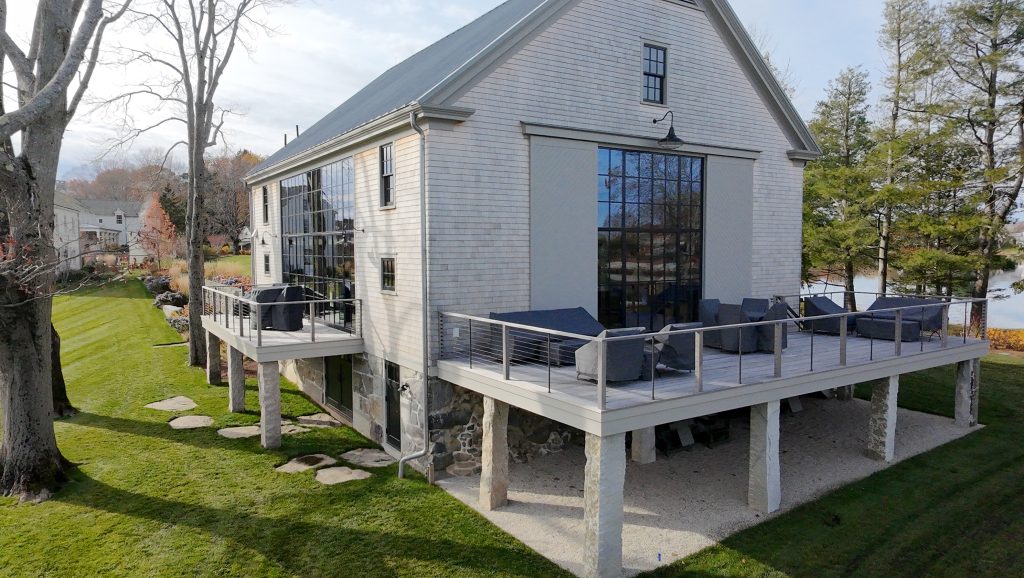
Converted loft or carriage house — Often had large industrial steel windows. Modern thermally broken steel systems with matching sightlines and fixed or pivot configurations are the natural continuation of this aesthetic.

Contemporary gut renovation (any era building) — Steel windows are increasingly specified in high-end gut renovations regardless of building era, for the slim sightline and design language they provide. Architect-specified, non-landmark context.

Rear extension or addition — Steel is commonly used in new rear extensions to townhouses — both landmark and non-landmark — where a contemporary glass-and-steel addition is the design intent. Can be combined with existing wood front windows.

Landmarked townhouse (LPC district) — All of the above may apply. LPC review is required. Open AWD prepares full documentation. → See our Landmark Windows page.

Steel vs Aluminum Windows for NYC Townhouses — How to Choose

SteelAluminum
Minimum sightlinefrom 1 in (25mm)from 1.5 in (38mm)
Visual characterdistinct, heavy, architecturalclean, lighter, more neutral
Thermal performancegood with thermal breakexcellent with thermal break
Maintenanceperiodic inspection, touch-up paintingminimal, powder coat is durable
Costhigherlower to mid
Lead time12–20 weeks6–10 weeks
LPC preferencepreferred when original was steelaccepted in many districts
Best forlofts, pre-war conversions, high-end renovationswider range of projects and budgets

Not sure steel is right? See our Aluminum Windows for NYC page.

Steel vs Aluminum Windows for NYC Townhouses — How to Choose

  1. Brief and site review — We review your project brief, architectural drawings if available, and any LPC constraints. For townhouse projects, we assess the existing opening sizes and structural conditions that affect the steel system specification.
  2. System selection and profile review — We recommend the steel system that best fits your sightline, performance, and budget requirements. We provide physical profile samples and finish samples for review.
  3. Shop drawings — We prepare detailed shop drawings showing all openings, profiles, hardware positions, and anchoring details. For architects and GCs, we coordinate drawings with the architectural set.
  4. LPC submission support (if applicable) — For landmark projects, we assist with the technical documentation required for LPC review. We have prepared submissions for steel window projects across multiple NYC historic districts.
  5. Fabrication, delivery, and coordination — Lead times for steel are 12–20 weeks from confirmed shop drawings. We coordinate delivery with your GC and provide installation guidance. We do not provide installation directly but work with certified installers in NYC.

FAQ Questions

What are the slimmest steel window sightlines available in NYC?
Steel windows can achieve profiles — the visible width of the frame from the exterior — as narrow as 1 inch (25mm) with certain hot-rolled steel systems, and 1.25 to 1.5 inches (32–38mm) with thermally broken steel profiles. These are the slimmest sightlines available in any window material used in residential construction, and they are the primary reason architects and designers specify steel when replicating or continuing the visual language of pre-war New York City buildings.

For comparison, thermally broken aluminum systems — the next slimmest option — typically have minimum profiles of 1.5 to 2 inches (38–50mm). Wood systems are generally wider still. The structural properties of steel allow it to carry loads across large spans with a much smaller cross-section than any other frame material, which is why the sightline advantage is significant and not easily replicated.

The exact minimum sightline available depends on the specific system, the opening size, and whether a thermal break is required. Open AWD carries profile samples at our Brooklyn showroom so you can evaluate the visual result in person before specifying. For landmark projects, we can confirm which profiles the LPC has approved for similar buildings in your district.
Are thermally broken steel windows worth the extra cost?
For most New York City residential projects, yes — thermally broken steel windows are worth the additional cost, and in many cases they are required to meet the New York City Energy Conservation Code. The thermal break is an insulating barrier — typically a polyamide strip — that separates the interior and exterior steel faces of the frame. Without it, the steel conducts cold directly from outside to inside, creating condensation on the interior face of the frame and significantly increasing heat loss through the window system.

Non-thermally broken steel windows — sometimes called cold-rolled or monolithic steel systems — are still used in some contexts, particularly in interior applications such as steel partitions and interior doors, or in buildings where energy code compliance is managed through other means. They are also less expensive and have a slightly slimmer profile, since the thermal break adds depth to the frame. In landmark and historic district projects where the original windows were non-thermally broken steel, a non-broken profile may be the correct match aesthetically and for LPC purposes.

For exterior residential windows in NYC, thermally broken steel is the standard recommendation. The energy performance difference is substantial — a thermally broken steel window with double IGU can achieve U-factors comparable to aluminum, whereas a non-broken steel frame will perform significantly worse. Open AWD supplies both thermally broken and non-thermally broken systems and can advise which is appropriate for your project’s performance requirements and LPC constraints.
Can steel windows be used in a NYC landmark townhouse?
Yes. Steel windows are among the most consistently approved replacement window systems for landmarked townhouses in New York City, particularly in cases where the building’s original windows were steel. The Landmarks Preservation Commission evaluates replacement windows based on visual compatibility with the building’s historic character — and when a townhouse or loft building was originally fitted with steel casements, a modern steel replacement system with matching profile dimensions and sightline widths is typically the strongest submission.

For townhouses where the original windows were wood rather than steel, steel replacement windows may still be approved by the LPC in certain circumstances — particularly for rear extensions, new openings, or contemporary interventions where the commission permits a differentiated material that reads as modern rather than a failed imitation of the historic fabric. Each case is evaluated individually, and the outcome depends on the specific LPC district, the building’s designation report, and the way the application is presented.

Open AWD has supplied steel window systems for multiple landmark townhouse projects in Manhattan and Brooklyn, including buildings in Chelsea, the West Village, Park Slope, and Brooklyn Heights. We prepare the technical shop drawings and material documentation required for LPC submissions and can advise on the approval likelihood for your specific building before you commit to a system.
What is the lead time for custom steel windows in New York?
Custom steel windows typically require twelve to twenty weeks from confirmed shop drawings to delivery in New York City. This is longer than aluminum (six to ten weeks) or wood (eight to fourteen weeks) because steel window fabrication is more specialized, involves a smaller number of manufacturers, and often requires custom profile work that cannot be accommodated by standard production runs.

The full project timeline from first consultation to delivery is longer than the fabrication lead time alone. Shop drawing preparation and client approval typically adds two to four weeks at the start of the process. For landmark projects requiring LPC review, the approval process adds further — anywhere from two to four weeks for a Staff-Level approval to several months for a full Certificate of Appropriateness, depending on the complexity of the project and the current commission calendar.

For renovation planning purposes, steel windows should be treated as a long-lead item and ordered as early as possible in the project timeline. A typical townhouse renovation that includes steel windows should allow five to seven months from the start of the specification process to installation-ready delivery, assuming no significant LPC complications. Open AWD provides written lead time confirmation at the time of order and keeps clients updated on production status.
Do steel windows rust, and how do you maintain them?
Steel can rust if the protective finish is damaged and bare metal is exposed to moisture. However, modern steel window systems are designed to resist corrosion: the frames are hot-dip galvanized or treated with anti-corrosion primer before powder coating, and the powder coat finish itself is highly resistant to chipping, UV degradation, and moisture when properly applied. A well-finished steel window installed correctly in a New York City environment will not rust under normal conditions.

The most common maintenance requirement for steel windows is periodic inspection of the finish, particularly around hardware points, welds, and drainage slots where moisture can accumulate. Any chips or scratches that expose bare metal should be touched up promptly with a compatible primer and finish coat to prevent surface oxidation from developing. For most residential townhouse installations, this means a visual inspection once or twice a year and touch-up work as needed — significantly less maintenance than older uncoated or oil-painted steel windows, but more attention than powder-coated aluminum.

Hardware — hinges, handles, locking mechanisms — should be lubricated annually with a silicone-based lubricant. Drainage slots in the frame should be kept clear to prevent water pooling. For thermally broken steel windows with rubber gaskets, gaskets should be inspected every five to seven years and replaced if they show signs of compression set or cracking. Open AWD provides a maintenance guide with all window orders.
What finish colors are available for steel windows?
Steel windows supplied by Open AWD are powder coated and are available across the full RAL color range — which includes over 200 standard colors — as well as custom color matching to a specific paint reference, Pantone number, or physical sample. The most common finish colors for NYC townhouse and historic projects are RAL 9005 (matte black), RAL 7016 (anthracite grey), RAL 6009 (dark green), RAL 8022 (dark brown), and RAL 9010 (off-white) — colors that are either historically accurate or widely accepted by the LPC for landmark buildings.

Interior and exterior faces can be finished in different colors, which is useful in townhouse renovations where the exterior must match a historic palette while the interior finish is chosen to coordinate with the interior design. Hardware — handles, hinges, and locking mechanisms — is available in matte black, satin stainless steel, polished stainless steel, oil-rubbed bronze, and brass, and can be specified to match or contrast with the frame finish.

For landmark projects, the LPC requires that the finish color be compatible with the building’s historic character. Dark colors — particularly black and dark grey — are generally well-accepted for buildings that originally had painted steel or dark-finished metal windows. Open AWD can advise on finish color choices during the specification process and provide finish samples for review before the order is confirmed.
Can steel windows be double or triple glazed?
Yes. Modern steel window systems can accommodate both double and triple insulated glass units (IGU). Double glazing — two panes of glass with an argon or krypton-filled cavity — is standard in thermally broken steel systems and is sufficient to meet New York City Energy Conservation Code requirements for most residential applications. Triple glazing — three panes with two cavities — is available in steel systems that have sufficient frame depth to accommodate the thicker unit, and provides significantly better thermal and acoustic performance.

The main constraint with triple glazing in steel windows is weight: a triple IGU is substantially heavier than a double unit, which affects the hardware specification — particularly hinges for casement windows — and may limit the maximum panel size before structural reinforcement is required. For large casement panels, double glazing with a high-performance low-e coating and krypton fill is often the better solution, achieving thermal performance close to triple glazing without the weight penalty.

For NYC townhouse projects where acoustic performance is a priority — buildings on busy streets or near subway lines — triple glazing in steel frames is an effective solution. The combination of the steel frame’s inherent rigidity and a triple IGU with laminated inner pane can achieve STC ratings of 45 or higher, which provides meaningful noise reduction against urban traffic and ambient street noise. Open AWD specifies glazing packages based on the project’s thermal and acoustic requirements and can provide U-factor and STC data for any configuration.
What is the difference between hot-rolled and cold-rolled steel windows?
Hot-rolled and cold-rolled refer to the manufacturing process used to form the steel profiles, and the difference has practical implications for the look and performance of the finished window. Hot-rolled steel profiles are formed at high temperature, which allows for complex cross-sections and very slim face widths — as narrow as 1 inch or less — but results in a slightly rougher surface texture and less precise dimensional tolerance. Cold-rolled steel is formed at room temperature, which produces a smoother surface finish and tighter dimensional control, but typically results in somewhat wider profiles due to the limits of the cold-forming process.

Historically, the original steel windows found in New York City’s pre-war townhouses and loft buildings were hot-rolled — made from solid steel sections with the distinctive slim sightlines and simple profile geometry characteristic of that era. Architects specifying steel windows for historic replacement or for buildings in landmark districts will often seek hot-rolled systems specifically, because they most closely replicate the visual character of the originals and are the system the LPC is most familiar with from a precedent standpoint.

Cold-rolled steel windows — sometimes referred to as precision or engineered steel systems — offer advantages in more contemporary applications where surface quality, tighter tolerances, and more complex hardware integration are priorities. They are also more readily available with thermal break construction. In practice, many current steel window systems are hybrids that use different forming methods for different components of the frame. Open AWD can explain the specific manufacturing approach of the systems we supply and help you choose the right one for the aesthetic and performance requirements of your project.

Planning a Steel Window Project in NYC?

For homeowners

We'll review your townhouse, confirm landmark status, and recommend the right steel system for your project

For architects and GCs

Request a Spec Sheet or arrange a technical briefing. We provide shop drawings, profile samples, and CAD files for specification

Steel profile samples and finish samples are available to view at our Brooklyn showroom. Visits by appointment.
Call Now