Landmark-Approved Custom Windows for Historic Home in Brooklyn, NYC

Limited-time 10% discount
on your first project

Trusted local window experts serving you since 2008
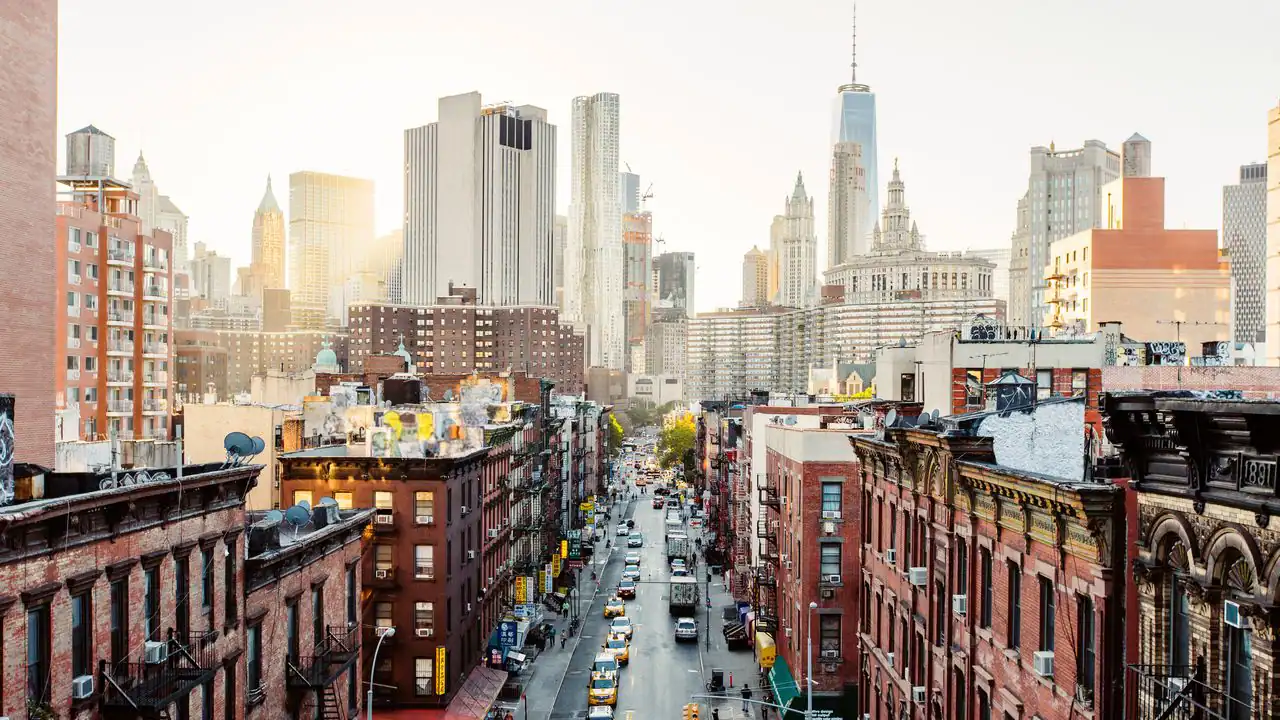
Open AWD specializes in custom windows and doors for landmarked buildings across New York City. We work directly with homeowners, architects, and general contractors to design and supply wood, steel, bronze, and aluminum systems that meet Landmarks Preservation Commission (LPC) requirements — without compromising on modern thermal and acoustic performance.
- LPC-approved projects since 2008
- Brooklyn-based showroom
- Wood · Steel · Bronze · Aluminum
- Free consultation for landmark projects

Limited-time 10% discount
on your first project

Trusted local window experts serving you since 2008

What Makes a Landmark Window Project Different?

If your building is in a New York City landmark district or is an individually landmarked property, any changes to windows or doors visible from a public way must be reviewed and approved by the Landmarks Preservation Commission (LPC).
This means standard replacement windows won't pass. The LPC evaluates material, profile depth, sightline width, muntin style, and glass type — all of which must match or be compatible with the building's historic character.
Open AWD has been supplying LPC-compatible window and door systems in NYC since 2008. We understand what the commission requires, how to document your submission, and which systems consistently pass review.
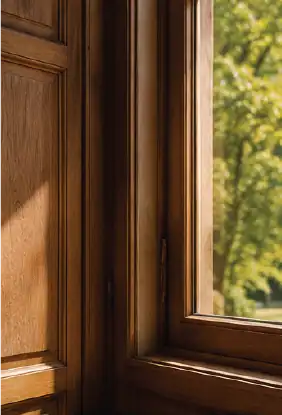
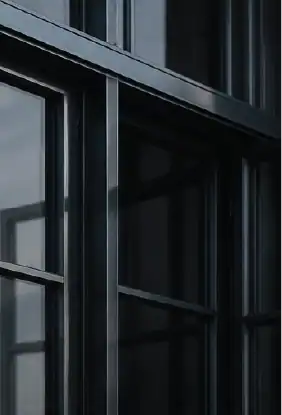
Window and Door Systems for Landmarked Buildings

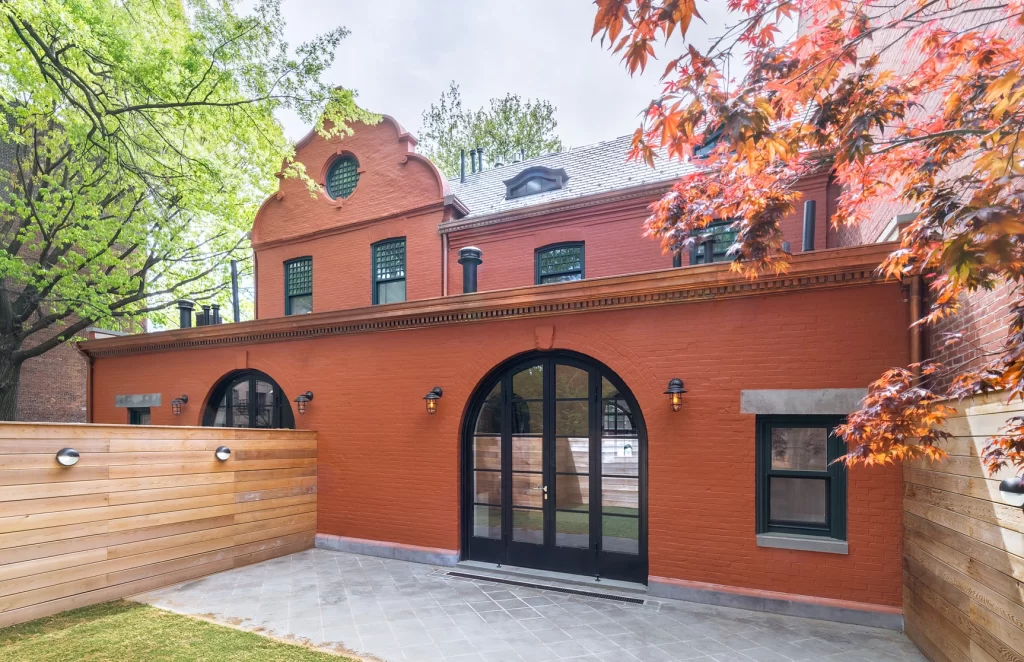
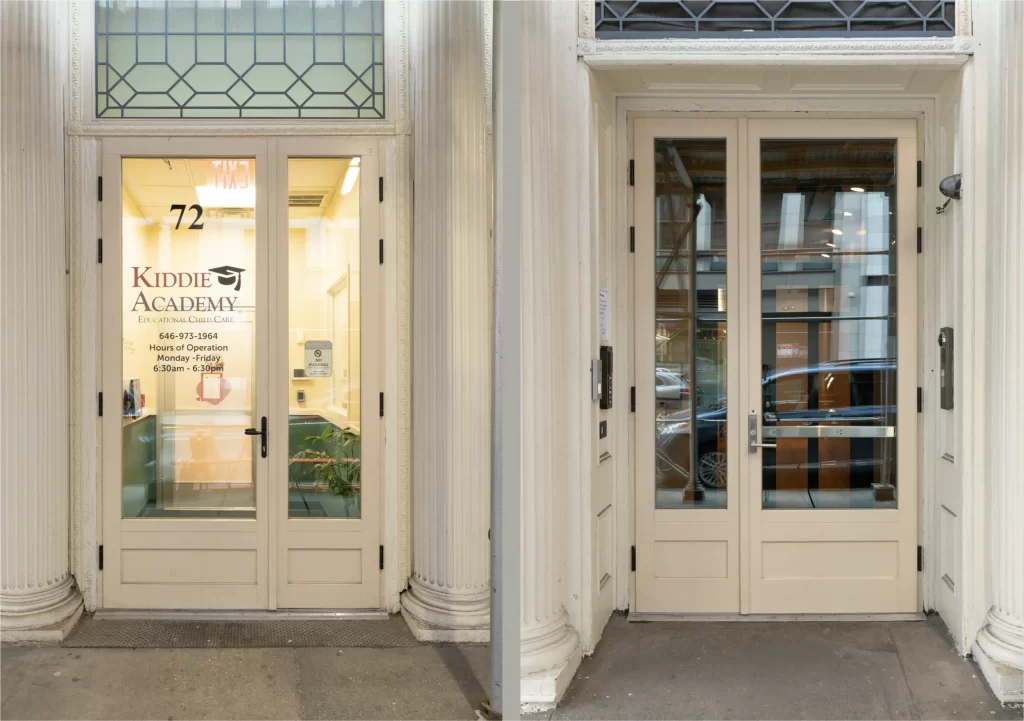
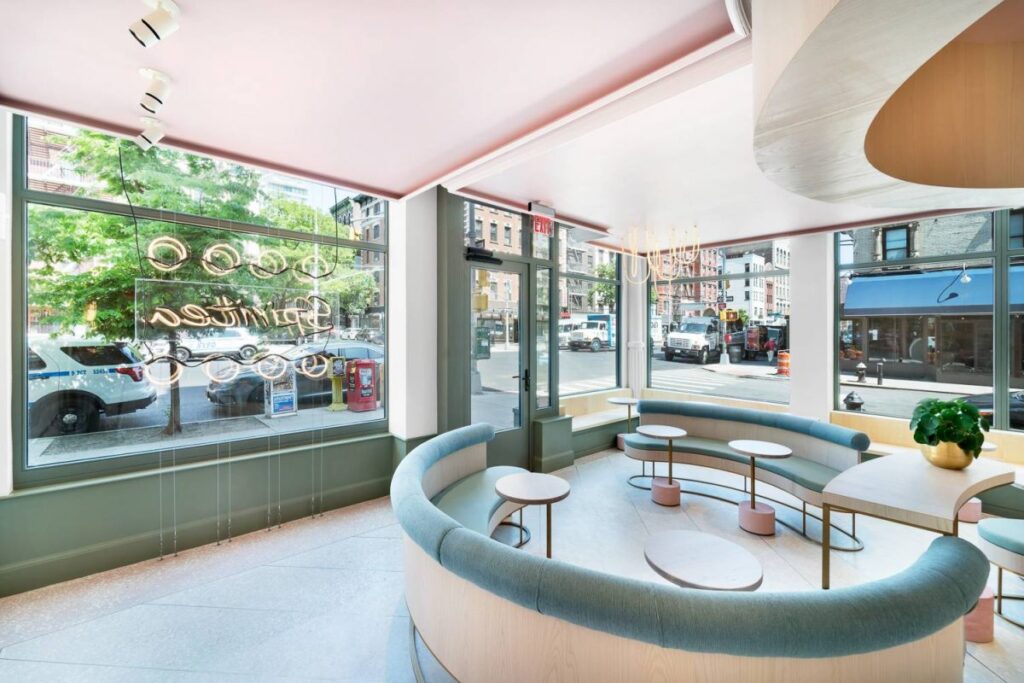
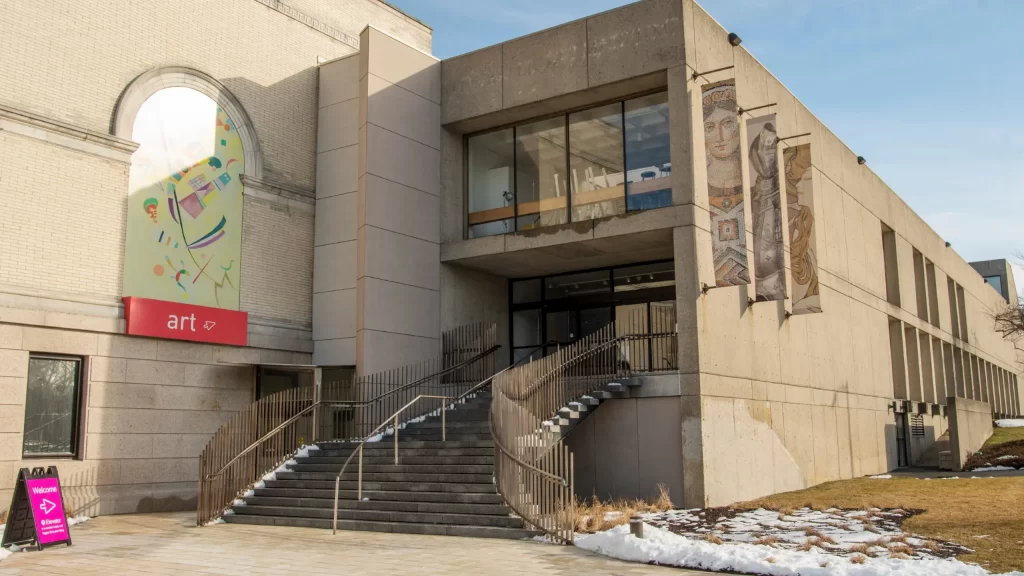
window and door wood systems for landmark buildings

Wood

window and door steel systems for landmark buildings

Steel

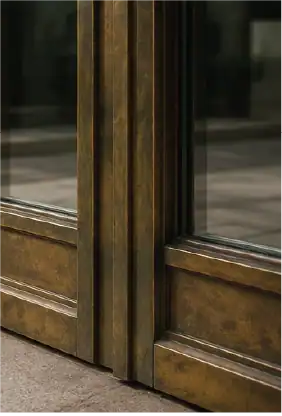
window and door bronze systems for landmark buildings

Bronze

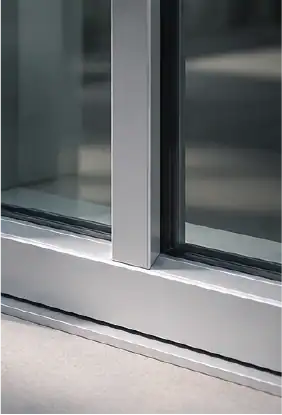
window and door aluminum systems for landmark buildings

Aluminum

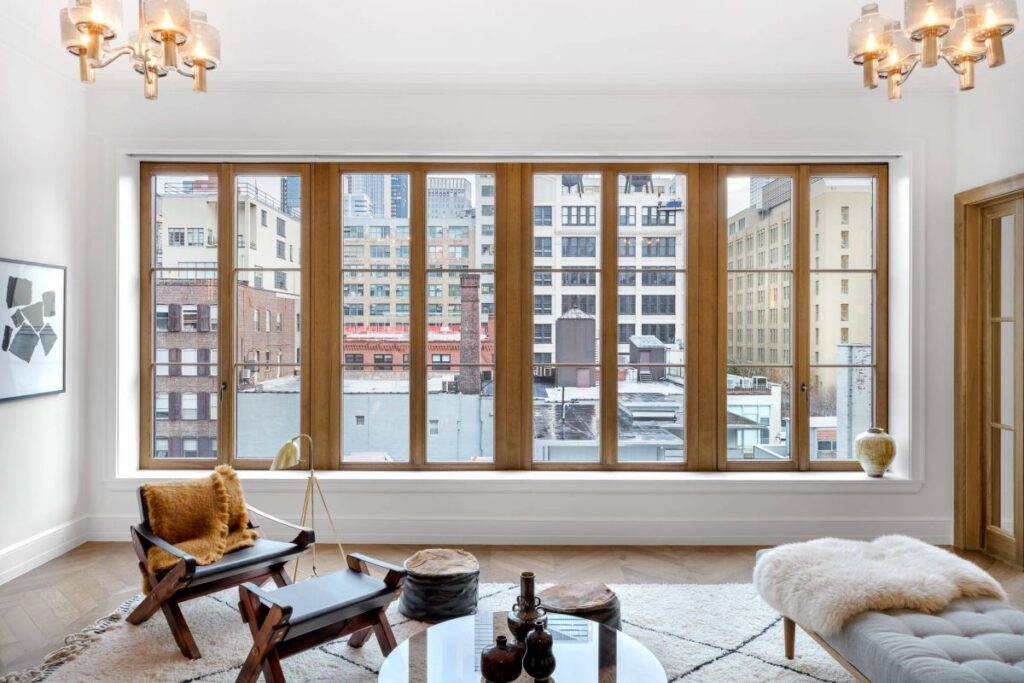
Wood — Traditional aesthetic, authentic for pre-war and historic brownstones. Available with aluminum or bronze cladding for low maintenance.

Steel — Slimmest sightlines available. Ideal for townhouses, loft conversions, and industrial-era buildings. LPC-compatible profiles.

Bronze — Premium material for high-end historic restorations. Naturally ages to match original hardware.

Aluminum — Lightweight, thermally broken, and available in slim profiles that satisfy LPC aesthetic requirements.

Window Types by Elevation

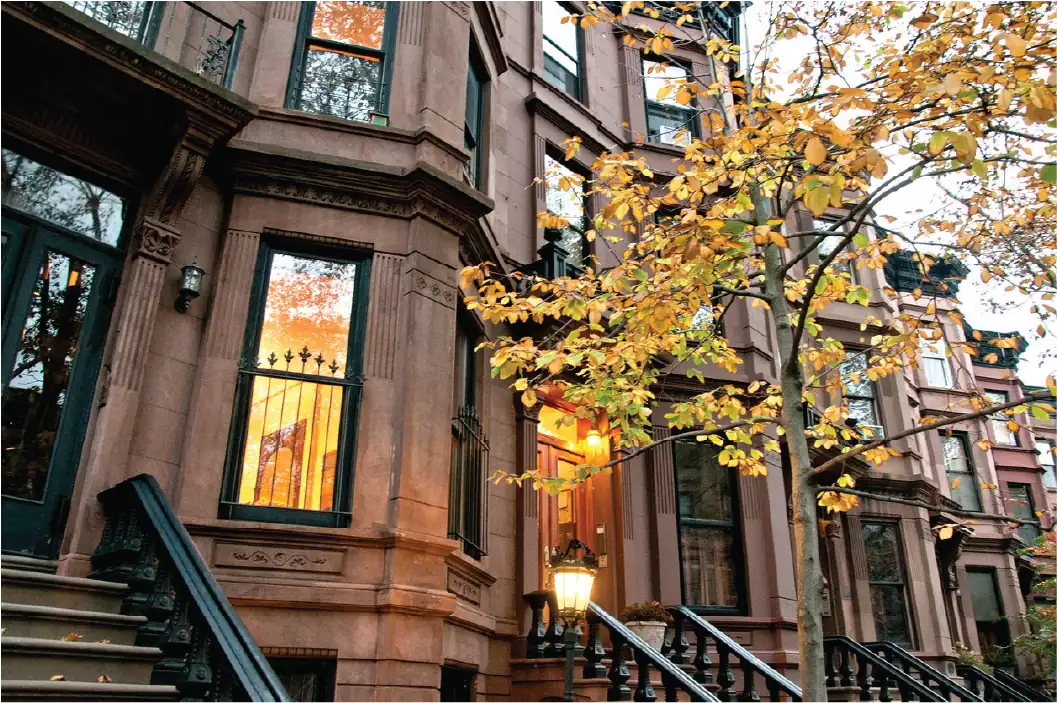
Front elevations are shaped by landmark requirements, while rear elevations allow for more flexibility in design and performance.

Front Elevation (Street-Facing)

Street-facing facades in Brooklyn landmark districts are strictly regulated. Window type, proportions, and operation must match the building’s historic character.
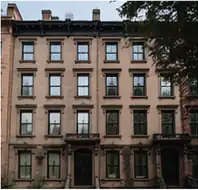

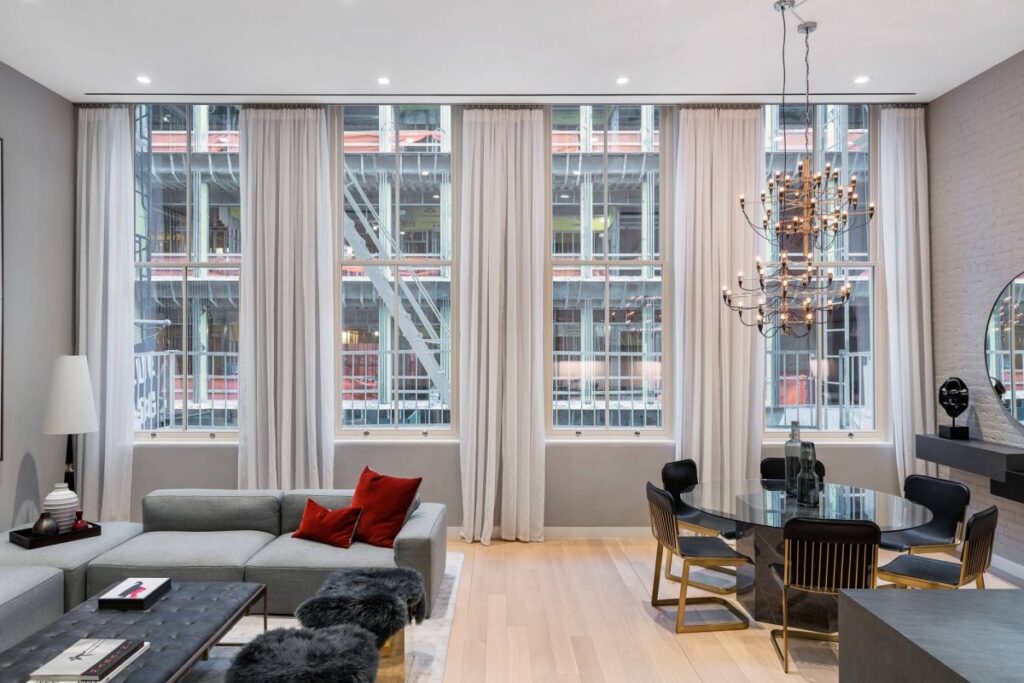
Double-Hung Windows

The most popular and historically accurate window type for brownstones and rowhouses. Required in most LPC-regulated facades.

Single-Hung Windows

A close variation of double-hung, sometimes used where allowed to maintain the same exterior appearance.

Simulated Double-Hung Windows

A close visual variation of double-hung, with casement windows’ opening. Sometimes used where allowed to maintain the same exterior appearance.

Specialty Configurations

Includes bay windows, arched openings, or custom historic compositions.

Key Takeaway

The front elevation is driven by LPC regulations — not design preference

This means that, in most cases, double-hung windows will be required to match the original facade

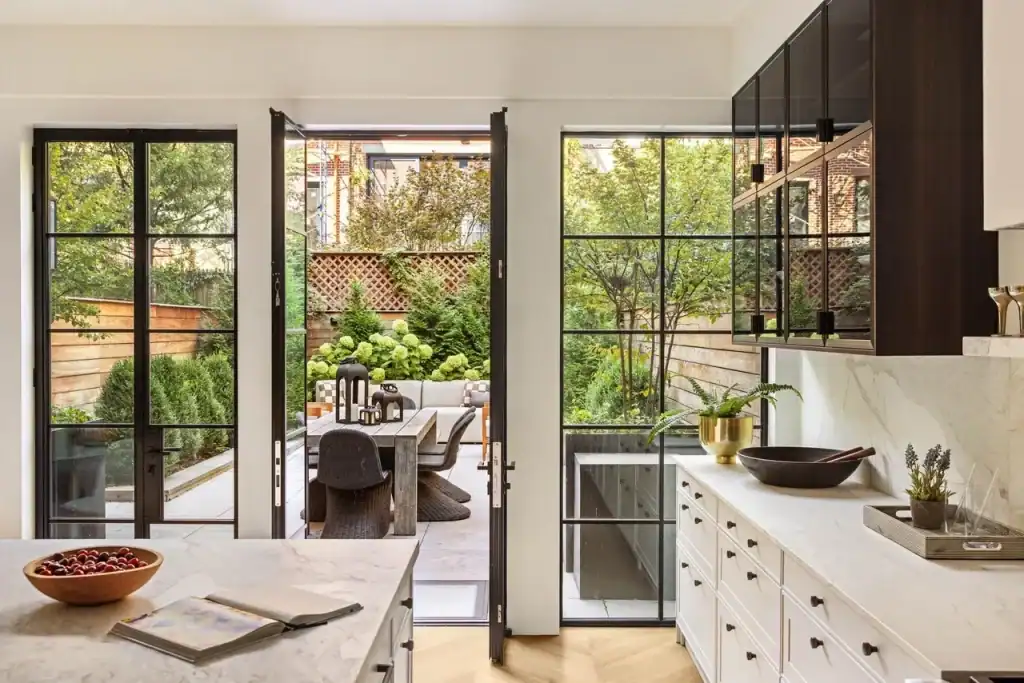
Rear Elevation (Garden / Backyard)

Rear facades are typically not visible from the street, allowing for more modern window types that improve light, ventilation, and usability.
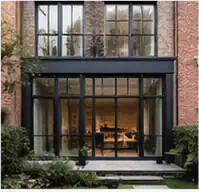

Casement Windows

The dominant and historically correct window type for brownstones and rowhouses. Required in most LPC-regulated facades.

Fixed / Oversized Windows

Used to maximize natural light and create larger glass openings facing the garden.

Sliding Systems

Used to maximize natural light and create larger glass openings facing the garden.
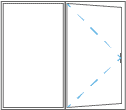
Mixed Systems

Combinations of operable and fixed units, often used in renovations and extensions.

Key Takeaway

Rear elevations prioritize performance, light, and modern living

Casement + fixed window combinations are the most common solution

Front Elevation (Street-Facing)

Street-facing facades in Brooklyn landmark districts are strictly regulated. Window type, proportions, and operation must match the building’s historic character.

Double-Hung Windows

The dominant and historically correct window type for brownstones and rowhouses. Required in most LPC-regulated facades.

Single-Hung Windows

A close variation of double-hung, sometimes used where allowed while maintaining the same exterior appearance.

Simulated Double-Hung Windows

A close visual variation of double-hung, with casement window’s opening. Sometimes used where allowed while maintaining the same exterior appearance.

Specialty Configurations

Includes bay windows, arched openings, or custom historic compositions.

Rear Elevation (Garden / Backyard)

Rear facades are typically not visible from the street, allowing for more modern window types that improve light, ventilation, and usability.

Casement Windows

The dominant and historically correct window type for brownstones and rowhouses. Required in most LPC-regulated facades.

Fixed / Oversized Windows

Used to maximize natural light and create larger glass openings facing the garden.

Sliding Systems

Used to maximize natural light and create larger glass openings facing the garden.

Mixed Systems

Combinations of operable and fixed units, often used in renovations and extensions.

Key Takeaway

The front elevation is driven by preservation rules — not design preference

In most cases, double-hung windows are required to match the original facade

Key Takeaway

Rear elevations prioritize performance, light, and modern living

Casement + fixed window combinations are the most common solution

Why Front and Rear Elevation Differ

Preservation Requirements

Front facades must comply with LPC guidelines and match historic conditions.

Architectural Consistency

Street elevations are part of a unified rowhouse composition.

Design Freedom at the Rear

Back facades allow modern configurations and larger openings.

Performance Priorities

Rear windows are optimized for ventilation, daylight, and connection to outdoor space.
How We Handle Landmark Projects

  1. Free consultation — We review your building’s landmark status, LPC district requirements, and existing window profiles.
  2. System selection — We recommend compatible materials and profiles based on your building type, aesthetic goals, and budget.
  3. Shop drawings & samples — We prepare technical drawings and provide physical samples for your LPC submission package.
  4. LPC support — We assist with documentation and answer technical questions from the commission or your expediter.
  5. Supply & coordination — Once approved, we handle procurement, delivery coordination, and quality control with your GC or installer.

FAQ Questions

Do I need LPC approval to replace windows in NYC?
Yes — if your building is located in a designated landmark or historic district, window replacement typically requires approval from the Landmarks Preservation Commission.
Approval is required when:
  • replacing windows visible from the street
  • changing window configuration, materials, or operation
  • altering frame profiles or proportions

In some limited cases (rear elevations not visible from public streets), approval may be simplified or not required — but this should always be verified before starting work.

What window materials are approved by the Landmarks Preservation Commission?
The Landmarks Preservation Commission does not approve materials universally — it evaluates whether the proposed windows match the historic appearance.
Commonly accepted:
  • Wood (most preferred for historic façades)
  • Steel (for buildings with original steel windows)

Conditionally accepted:

  • Aluminum-clad wood
  • Aluminum (typically only on rear elevations or non-visible areas)

The key factor is not the material itself, but how closely it replicates original sightlines, profiles, and detailing.

Can I get double or triple glazing in a landmark building?
Yes — but with limitations.
Double glazing is widely accepted if:
  • it does not significantly alter the window thickness
  • sightlines remain historically accurate

Triple glazing is more challenging because:

  • it increases frame depth
  • it often changes proportions and profiles

In most landmark projects, double glazing is the practical balance between performance and approval.

What are the slimmest sightlines available for landmark projects?
Slim sightlines are critical for approval.
Typical ranges:
  • Wood windows: ~1 ¼″ – 2″ visible profiles
  • Steel windows: can achieve even slimmer lines (~1″ or less in some systems)

Steel systems are often used when ultra-thin sightlines are required to match original historic windows.
The goal is always:

  • to replicate the original visual depth
  • not to introduce bulkier modern frames
How long does LPC window approval take?
Approval timelines vary depending on the scope:
  • Staff-level approval (simple replacements):
    ~2–6 weeks
  • Full commission review (complex or visible changes):
    ~6–12+ weeks

Factors that affect timing:

  • completeness of submission
  • accuracy of drawings
  • whether revisions are required

Projects with well-prepared documentation are significantly faster.

What documents do I need to submit to the LPC for window replacement?
Typical submission package includes:
  • Existing condition photos (interior and exterior)
  • Proposed window drawings (elevations and sections)
  • Detailed profiles (muntins, frames, sightlines)
  • Material and finish specifications
  • Window schedules (sizes, types, locations)

For more complex projects:

  • mockups or samples
  • architect-prepared drawings
  • context photos of the building and streetscape

The Landmarks Preservation Commission reviews how closely the proposal matches the historic condition.

Are steel windows better than aluminum for landmark buildings?
It depends on the building — but for many landmark projects, steel is often preferred.
Steel windows:
  • ultra-slim sightlines
  • closer match to historic industrial and early 20th-century windows
  • higher likelihood of approval in certain building types

Aluminum windows:

  • more cost-effective
  • lower maintenance
  • typically used on rear elevations or non-visible faсades

For street-facing landmark façades, steel is often chosen when matching original profiles is critical.

Planning a Landmark Window Project? Let's Talk.

We offer a free consultation for all landmark projects. Tell us your building address, what you're replacing, and your timeline — we'll get back to you within one business day.
Call Now