Interior Steel Doors & Glass Partitions NYC — Divide Space Without Losing Light

Limited-time 10% discount
on your first project

Trusted local window experts serving you since 2008
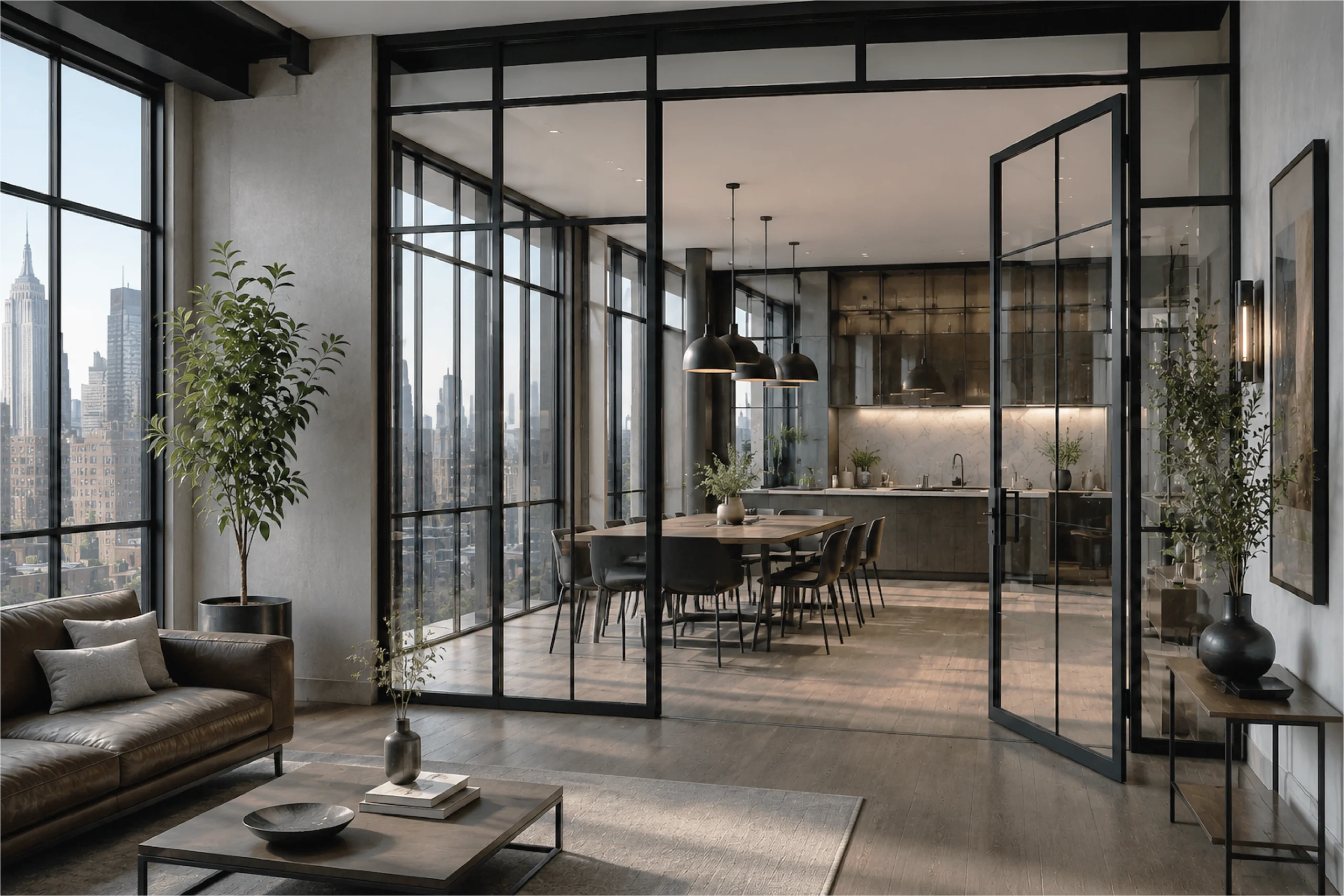
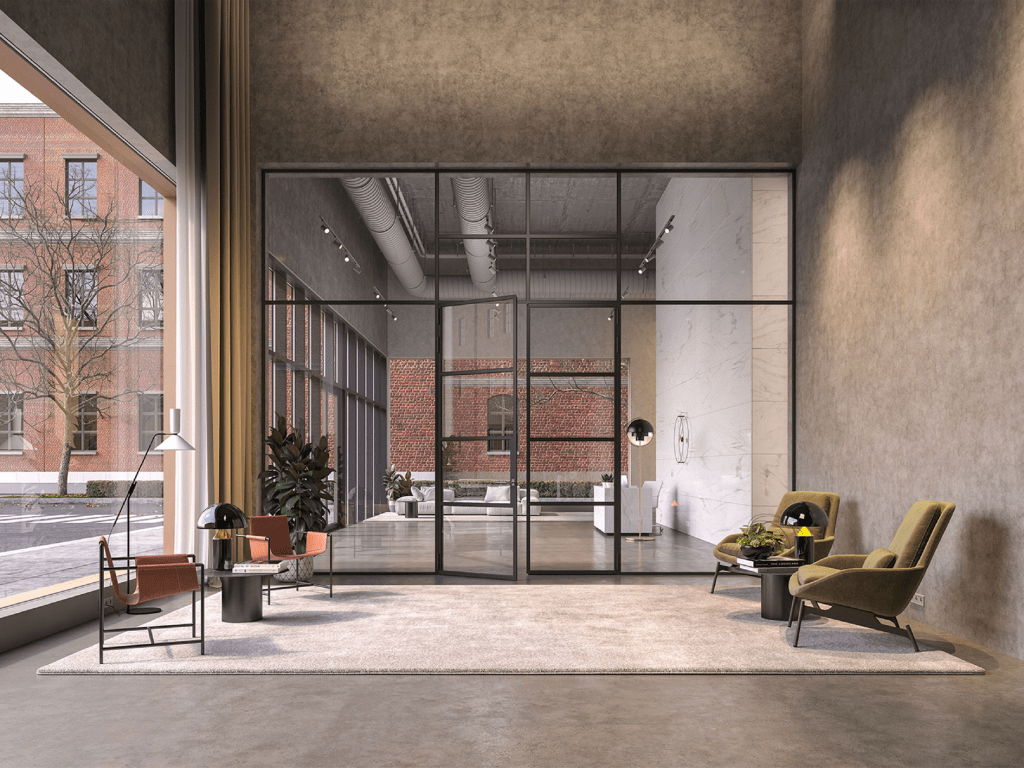
Interior steel and glass systems — doors, partitions, and full-height glazed walls — allow you to divide open-plan spaces in NYC townhouses, lofts, and luxury apartments while maintaining light flow between rooms. Open AWD supplies custom steel door and partition systems fabricated to your exact dimensions, with matching profiles to our exterior steel window range, and available in any RAL color with a full range of glass and hardware options.
- Custom fabrication — any size, any configuration
- Matching profiles to exterior steel windows
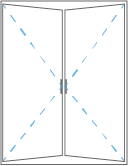
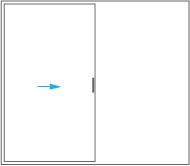
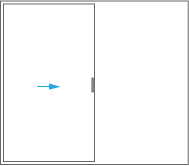
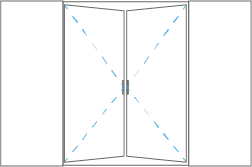
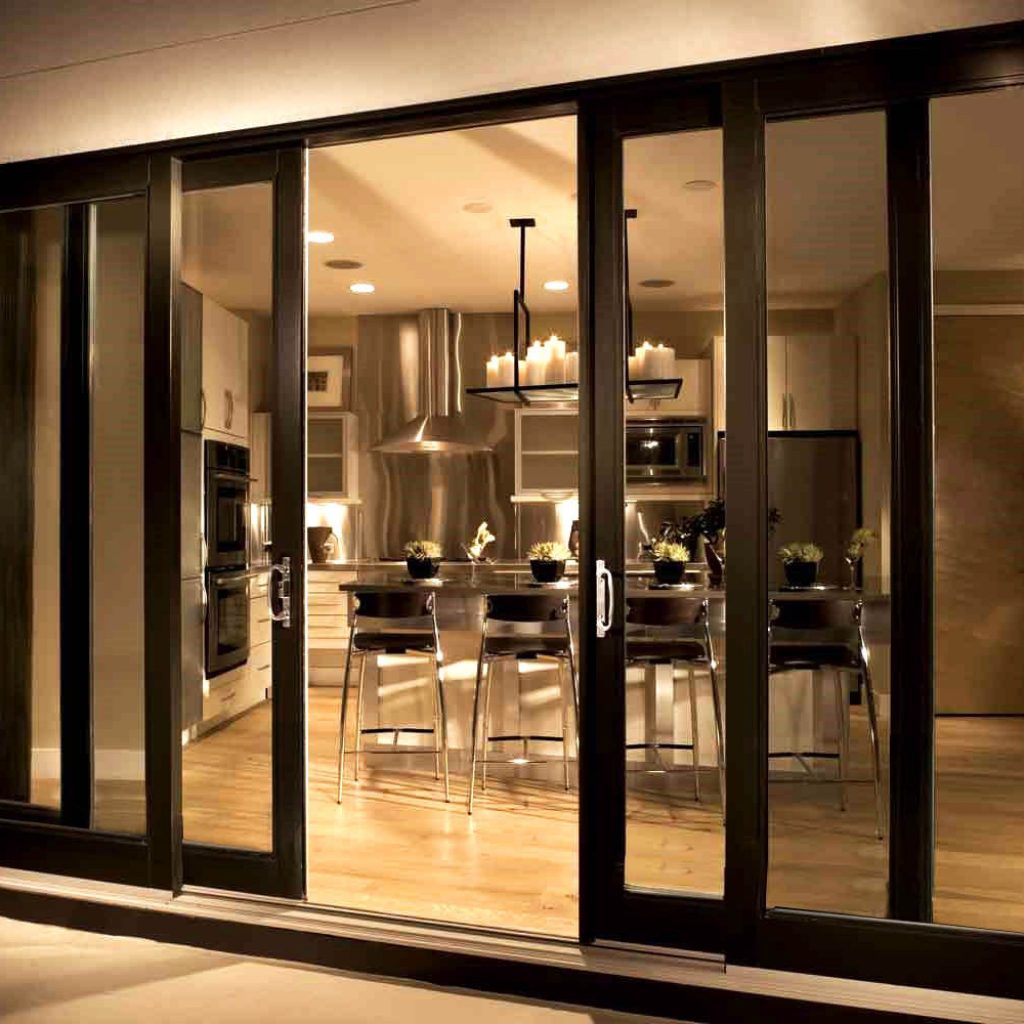
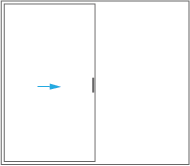
- Single doors · French doors · Full-height partitions · Sliding systems
- Brooklyn showroom · Samples available · Since 2008

Limited-time 10% discount
on your first project

Trusted local window experts serving you since 2008

Where Interior Steel and Glass Systems Are Used in NYC?

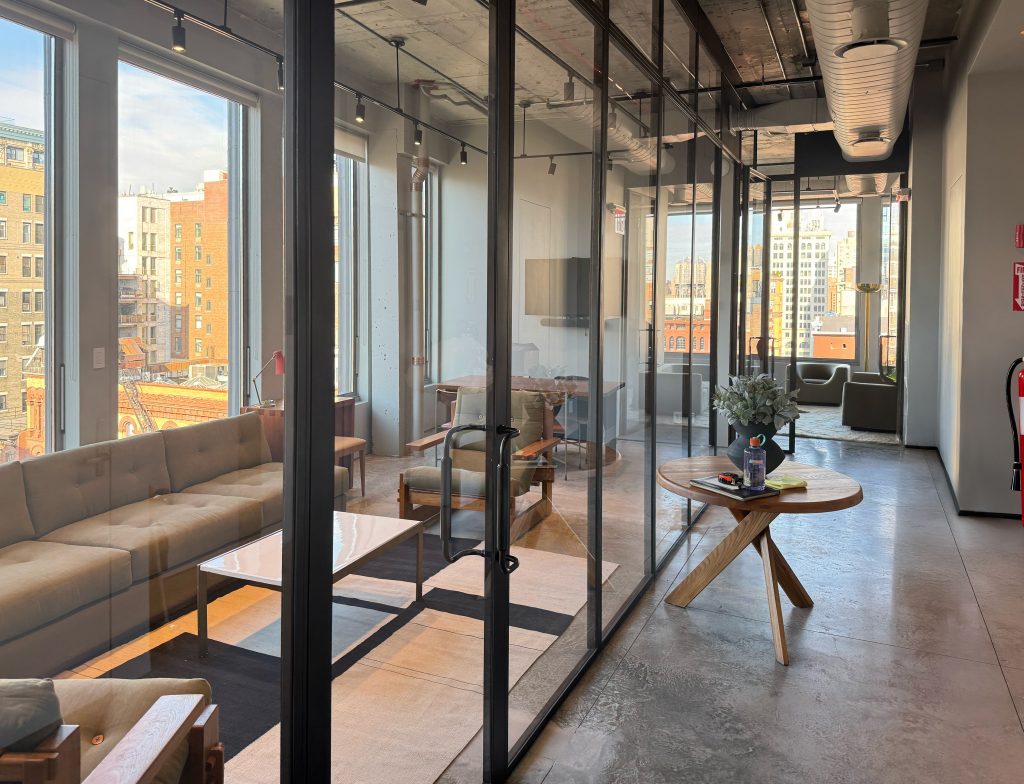
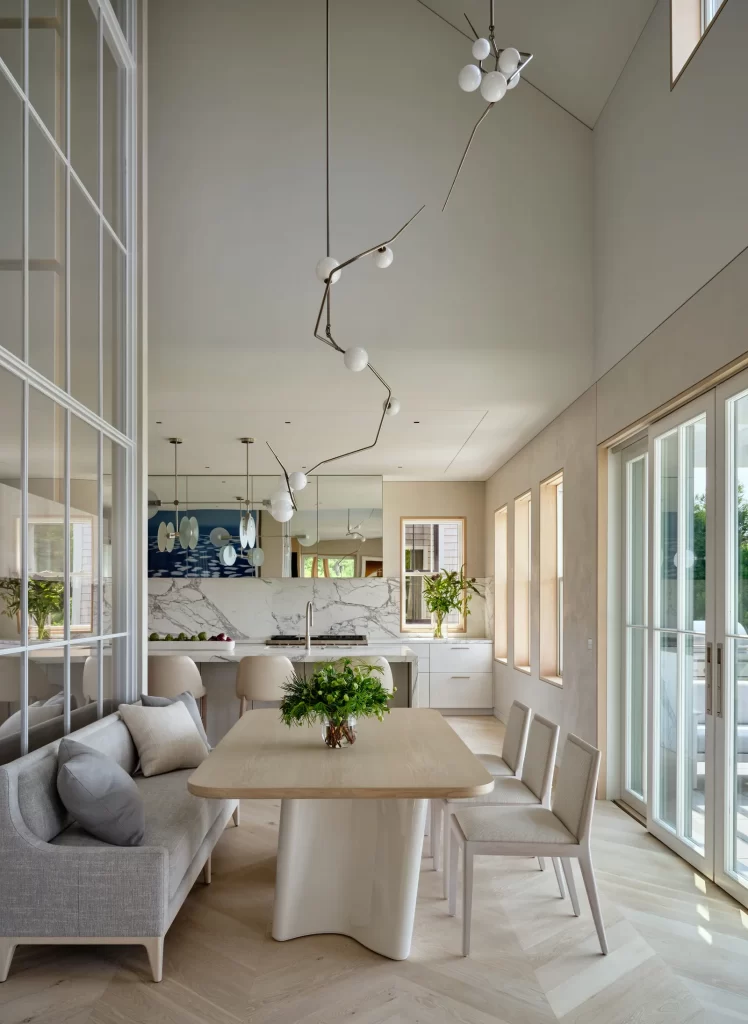
New York City's residential stock — brownstones, townhouses, loft conversions, and pre-war co-ops — often presents a design challenge: how to create defined, functional rooms in a floor plan that is either fully open or divided by solid walls that block light. Interior steel and glass systems solve this directly. A steel-framed glass partition between a kitchen and a living room, or a steel door between a home office and a hallway, maintains the visual connection between spaces while providing the acoustic separation and physical definition that a fully open plan cannot.
Interior steel systems are also the natural complement to exterior steel windows. In a townhouse or loft where the exterior already uses steel casements or pivot windows, continuing the same material and profile language into the interior — through matching doors, partitions, and glazed walls — creates a coherent architectural language that reads throughout the building.
Common Applications in NYC Homes & Renovations

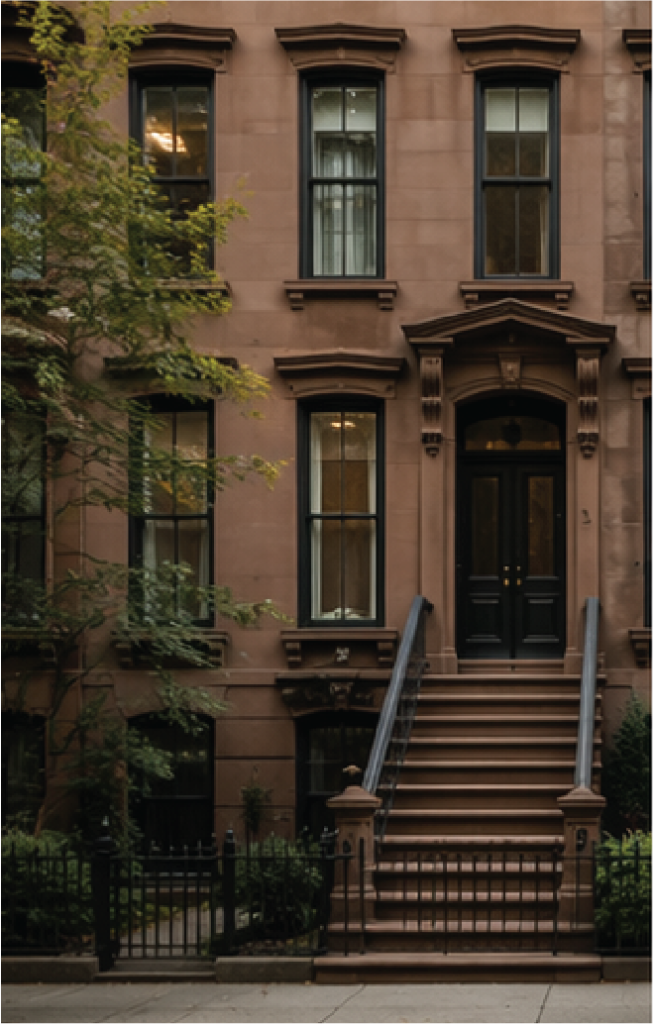
brownstone rowhouse
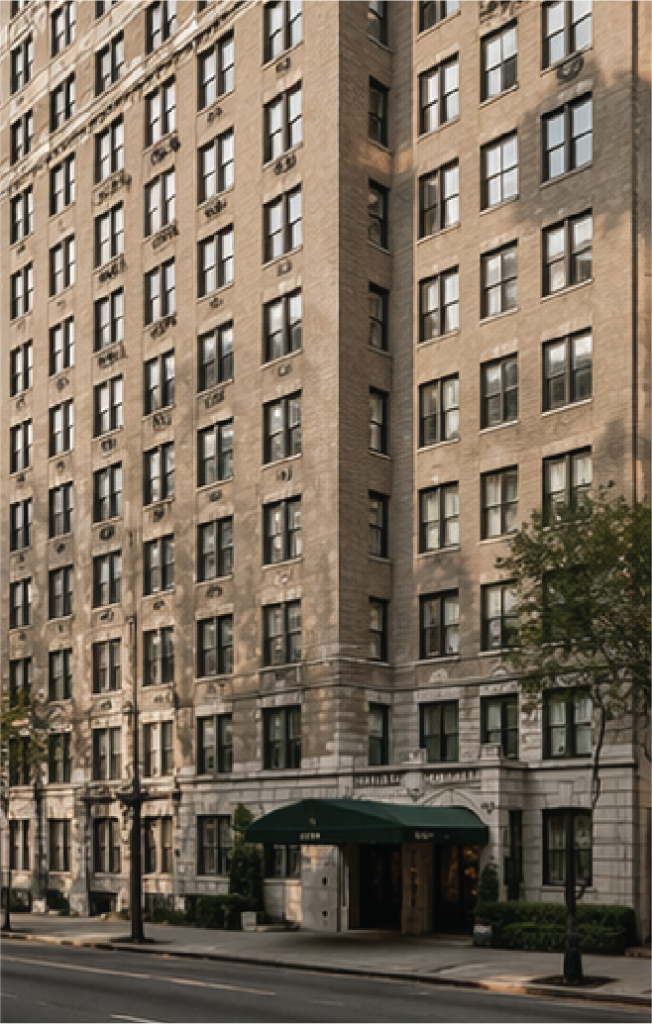
Pre-war co-op or apartment building
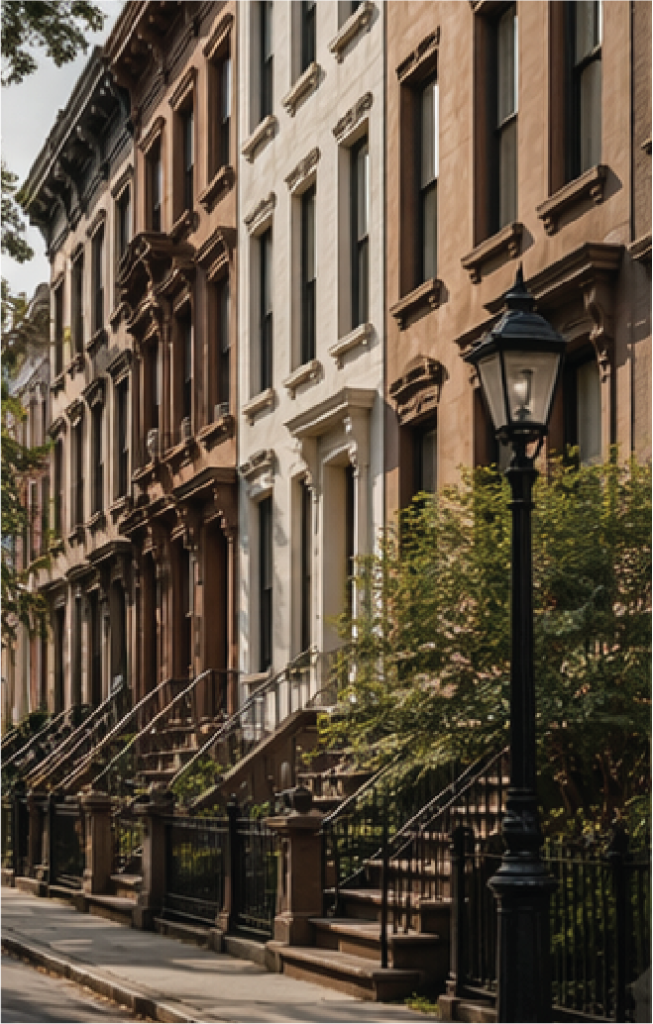
townhouse
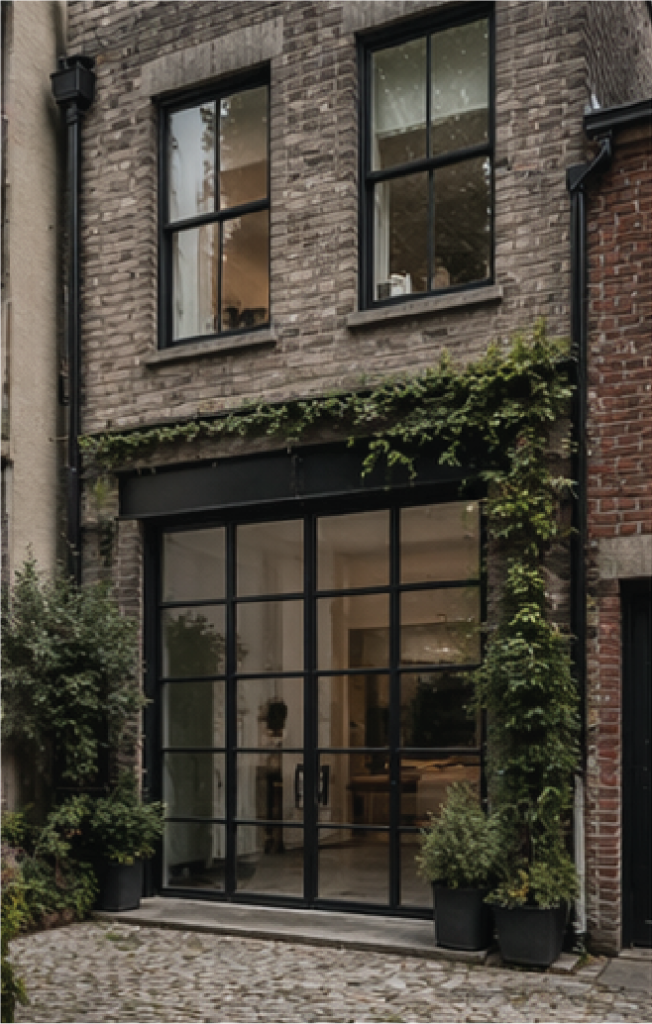
carriage house or mews building

Brownstone gut renovation

Replacing solid plaster walls between parlor-floor rooms with steel and glass partitions — keeping the floor plan open and light while defining kitchen, dining, and living zones without building new solid walls.

Loft conversion or open-plan apartment

Creating a bedroom or home office in an otherwise open loft floor plate. A full-height steel partition with a sliding or hinged door provides the separation needed without the permanence of a built wall.

Commercial office in a townhouse

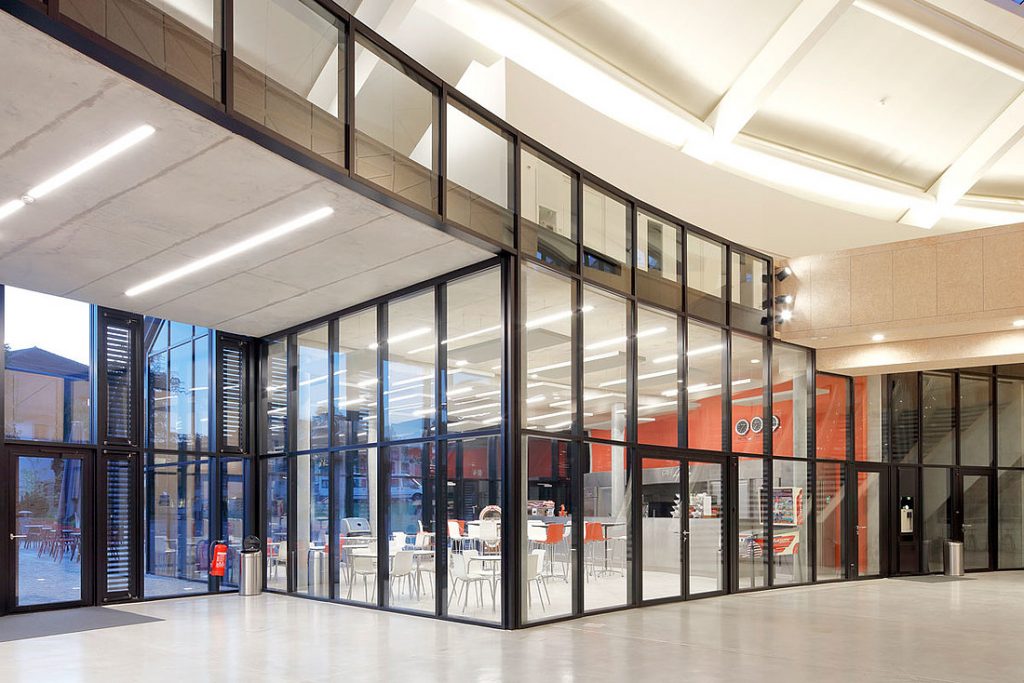
Acoustic and visual separation of the commercial office from the residential area while maintaining transparency and natural light flow. A steel-framed glazed partition with a single door echoes the exterior steel window profiles on the same floor, creating a cohesive architectural language throughout the space.

Stairwell enclosure

Glazing an open stairwell in a multi-floor townhouse to create visual connection between floors while providing a fire- or acoustic-rated separation where required by code.

Garden-level transition

Steel French doors or a combined partition and door system at the transition between a garden-level kitchen and a rear outdoor space.  Pairs well with exterior steel doors on the same elevation.

Coordinated interior and exterior system

Full-building specification where exterior steel windows and interior steel doors and partitions use matching profiles, finish colors, and hardware — creating a consistent material language throughout the building.

Glass, Profile & Customization Options

Glass options

Clear float glass — maximum light, full visibility

Low-iron (Starphire) — ultra-clear, no green tint

Frosted / sandblasted — privacy with light

Reeded / fluted glass — textured, decorative

Laminated safety glass (required by NYC code for doors)

Acoustic laminated glass — for home office or bedroom

Wire glass or cast glass — industrial or decorative

Tinted glass — bronze, grey, green

Frame & profile

Slim steel profiles — face widths from 1.25 in

Matching profiles to exterior window range

Floor-to-ceiling or standard height

Recessed into ceiling or floor track (frameless look)

Powder coat — full RAL range

Interior and exterior colors can differ

Custom dimensions — any width, any height

Hardware

Lever handles — matte black, brass, bronze, SS

Flush pulls for sliding and pocket doors

Exposed barn door track (black steel)

Concealed overhead closers

Soft-close mechanisms

Privacy locks and passage sets

Coordinated with window hardware where specified

Acoustic & code

Standard: STC 28–35 (visual separation)

Acoustic glazing: up to STC 45+

Laminated glass required for all door panels (NYC code)

Fire-rated systems available on request

NYC DOB compliant configurations

One Supplier for Interior and Exterior — Matching Profiles Throughout

Most suppliers specialize in either exterior windows or interior partitions — not both. Open AWD supplies both, which means we can coordinate the profile geometry, finish color, and hardware specification across the entire building envelope and interior. The steel casements on the front facade, the pivot doors on the rear extension, and the glazed partition on the parlor floor can all be specified from the same system family — same sightlines, same powder coat color, same hardware finish.

For architects working on a full townhouse renovation or a gut conversion in NYC, this is a significant advantage: one technical contact, one shop drawing set, one lead time to manage, and a guaranteed visual consistency that is difficult to achieve when sourcing exterior and interior steel systems from different manufacturers.
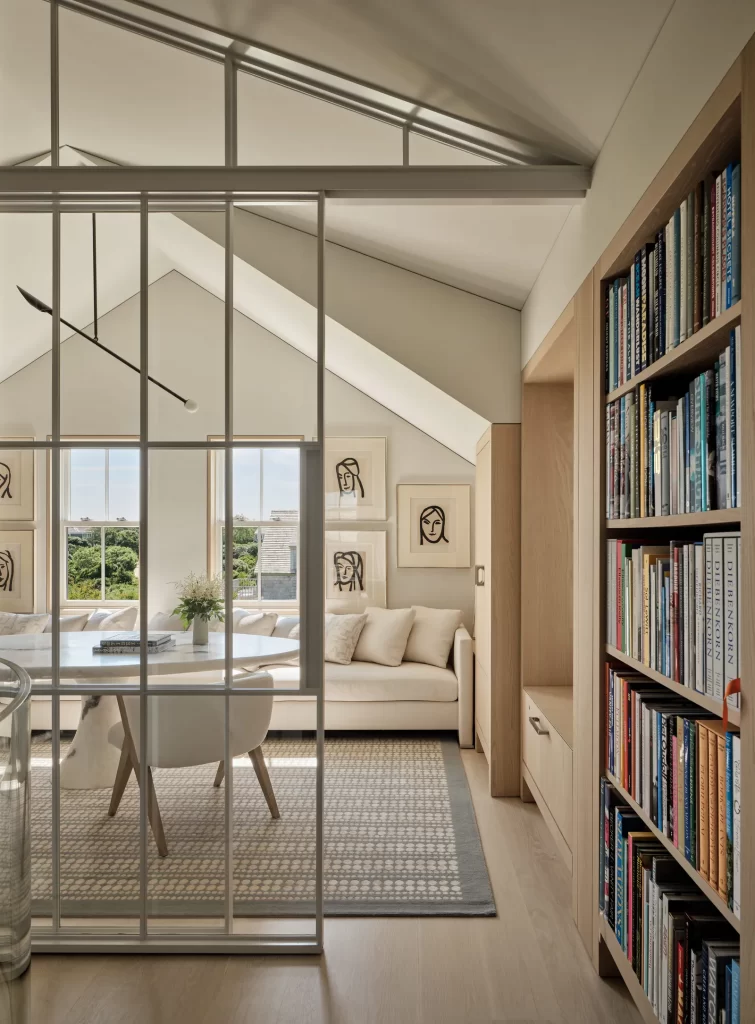
A sophisticated and serene loft-style reading and sitting area bathed in natural light, enclosed by a minimalist grid-framed glass partition, featuring a high vaulted ceiling with clean white walls and a sleek black linear pendant light, a cozy white sectional sofa adorned with plush cushions positioned beneath a pair of windows and surrounded by framed abstract face line-drawings, a round marble table with light wood legs and matching upholstered chairs resting on a soft patterned rug, and a built-in bookcase filled with a vibrant array of hardcover books to the right, all contributing to an atmosphere of intellectual tranquility and modern elegance.
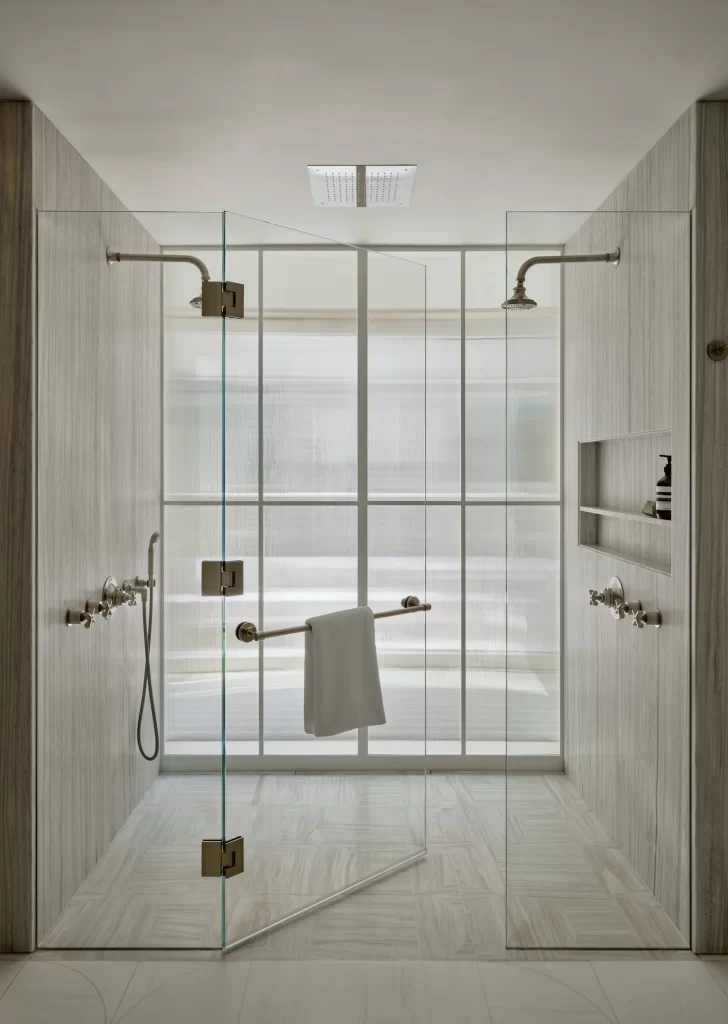
A luxurious walk-in shower enclosed by seamless glass panels with sleek brass hardware, featuring dual wall-mounted showerheads and a central rain shower above, all set against vertically textured stone walls and light-toned tiled flooring, with a minimalist towel bar holding a white towel on the door, built-in shelving for toiletries on the right wall, and soft diffused light filtering through a translucent glass-paneled window wall that adds privacy while maintaining a bright and airy atmosphere.
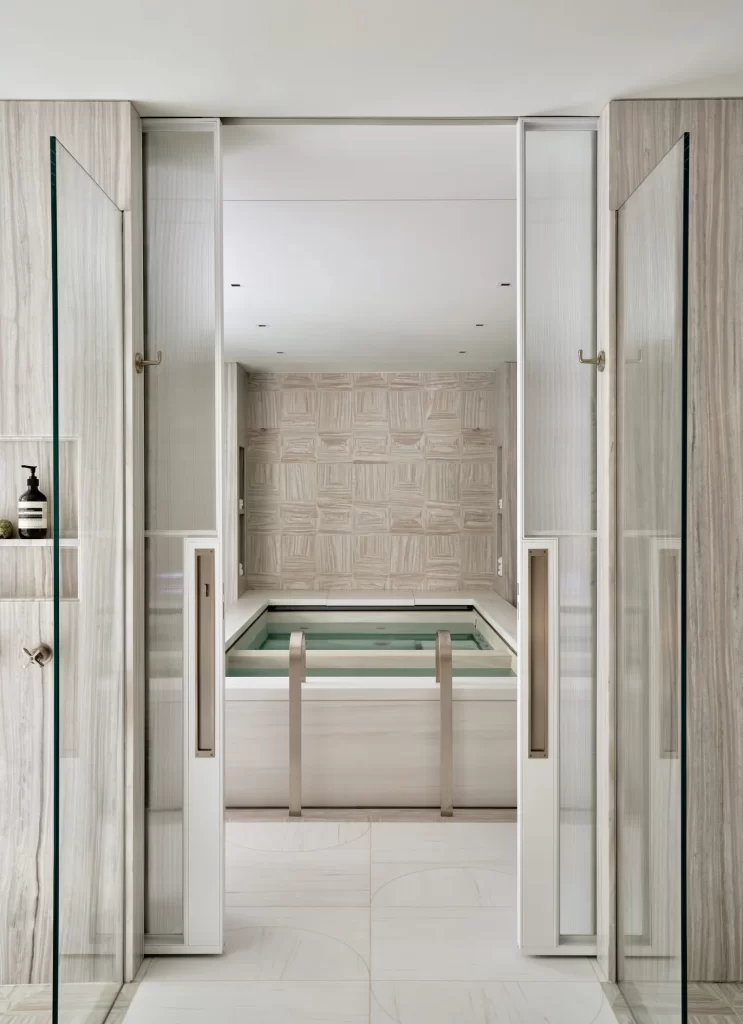
A serene spa room with a recessed plunge pool framed in soft-toned marble and brushed metal railings, surrounded by textured vertical stone walls and a geometric patterned feature wall at the far end, accessed through partially opened frosted glass sliding doors with sleek handles, all set beneath a clean white ceiling dotted with recessed lights that enhance the tranquil and minimalistic ambiance of the space.

How We Work on Interior Steel Projects

  1. Brief review — We review your floor plan, ceiling height, and design intent. If the project includes exterior steel windows, we coordinate the interior specification with the exterior system from the start.
  2. System selection — We recommend the right configuration — fixed, hinged, sliding, or combined — based on your floor plan, traffic patterns, acoustic requirements, and design goals. We provide profile samples and glass samples for review.
  3. Shop drawings — We prepare detailed shop drawings showing all openings, frame profiles, glass specifications, hardware positions, and floor/ceiling track details. Drawings are coordinated with your architect’s set.
  4. Fabrication — Lead time for interior steel systems is typically eight to fourteen weeks from confirmed shop drawings. We provide production updates throughout the fabrication period.
  5. Delivery and coordination — We coordinate delivery with your GC and provide installation guidance. For combined interior + exterior projects, we coordinate delivery of all systems together where possible to simplify site logistics.

FAQ Questions

What is the difference between a steel partition and a glass partition wall?
The terms are often used interchangeably, but there is a useful distinction. A glass partition wall refers to the overall system — a full-height or partial-height transparent dividing element between two spaces. A steel partition describes the structural component of that system: the steel frame that holds the glass in place, defines the geometry of the wall, and carries any operable doors that are integrated into it.

In practice, what most people call a “glass partition” is a steel-framed glass partition — a system where a steel profile forms the perimeter and intermediate members of the wall, with glass infill panels between them. The steel is the structure; the glass is the infill. The proportions between the two — how much steel frame is visible versus how much glass — is determined by the profile size and the panel layout, and is one of the key design decisions in specifying the system.

At one end of the spectrum, a partition can have very slim steel profiles with large glass panels, maximizing transparency and light flow — this is the most common approach in NYC luxury renovations where the goal is to open up a space visually. At the other end, a partition can have more substantial steel sections with smaller glass panels, creating a more industrial or grid-like appearance. Open AWD supplies both approaches and can help you find the right balance for your space during a free consultation.
Do interior steel doors need to meet NYC building code?
Yes, interior steel doors and glass partitions in New York City are subject to the New York City Building Code, administered by the Department of Buildings (DOB). The specific requirements depend on the building type, the location of the partition within the building, and whether the partition serves a fire-rated or egress function.

The most universal requirement that applies to nearly all interior door and partition projects is glazing safety: any glass in an interior door panel — and in glass partition panels that are within a certain distance of the floor — must be safety glazed, meaning it must be laminated, tempered, or wired glass that meets the impact requirements of the code. Laminated glass is generally the preferred specification for interior steel door panels in residential projects, as it provides safety performance while also offering acoustic attenuation benefits.

For partition systems that serve a fire-separation function — such as a partition between a dwelling unit and a common corridor in a multi-unit building, or a stairwell enclosure — fire-rated glass and frame assemblies are required, and the system must be listed and labeled to the appropriate fire-resistance rating. For purely interior residential partitions within a single dwelling unit — such as a partition between a kitchen and a living room in a townhouse — fire rating is generally not required, but the glazing safety requirements still apply.

Open AWD specifies all interior door and partition systems with NYC code-compliant glazing as standard, and can provide fire-rated system options where required. For projects requiring a DOB permit, we can coordinate the technical documentation with your architect or expediter.
Can interior steel partitions be soundproofed?
Yes — to a meaningful degree, though the level of acoustic performance a steel and glass partition can achieve is lower than a solid wall, and managing expectations around this is important. A standard interior steel partition with clear float glass will provide some acoustic attenuation — typically in the range of STC 28 to 35 — which is enough to reduce the perception of ordinary conversation between adjacent spaces, but not enough to provide true acoustic isolation.

Acoustic performance can be improved significantly through the glass specification. Laminated acoustic glass — which has a sound-damping interlayer between two or more glass plies — can raise the STC rating of the partition to STC 40 to 48 depending on the glass thickness and configuration. For a home office or bedroom where reducing speech intelligibility from an adjacent living space is the goal, acoustic laminated glass in a steel partition is a practical and effective solution in a NYC townhouse or loft context.

The weakest point in any glazed partition from an acoustic standpoint is not the glass itself but the perimeter seals and any gaps around the door — particularly at the bottom of a hinged or sliding door. A door with a good-quality acoustic threshold seal and compression seals on the frame can significantly reduce flanking transmission. For projects where acoustic performance is a primary requirement, Open AWD specifies the glass, seals, and hardware together as a coordinated acoustic package and can provide STC data for the specified configuration.
What glass types are available for interior steel doors and partitions?
The glass specification is one of the most design-significant decisions in an interior steel partition project, and the range of available options is wider than most clients expect. The most common types used in NYC residential projects are clear float glass, low-iron glass, frosted or sandblasted glass, reeded or fluted glass, and laminated safety glass in various configurations.

Clear float glass is the standard — transparent, neutral, and the most cost-effective option. Low-iron glass, sometimes sold under the brand name Starphire, has a significantly reduced green tint compared to standard float glass and appears almost perfectly colorless, which matters in high-end interiors where the slight green cast of standard glass reads as a quality compromise. Frosted or sandblasted glass provides privacy while still transmitting light — commonly used for bathroom partitions, bedroom walls, or home office enclosures where visual separation is needed without full opacity. Reeded and fluted glass — with a rippled or ribbed texture — has become one of the most requested glass types in NYC interior design over the past several years, offering a decorative quality and privacy through obscuration while still allowing light to pass.

For door panels specifically, laminated safety glass is required by the NYC Building Code regardless of the aesthetic glass type chosen — the safety interlayer can be incorporated into any of the above glass types. Acoustic laminated glass adds a sound-damping interlayer and is available in clear, low-iron, or frosted configurations. Wire glass and cast glass are also available for projects with an industrial or historic aesthetic. Open AWD carries glass samples at our Brooklyn showroom and can provide cut samples for review against your interior finishes.
Can I match interior steel doors to my exterior steel windows?
Yes — and this is one of Open AWD’s core capabilities and a significant advantage of sourcing both systems from the same supplier. When exterior steel windows and interior steel doors and partitions come from the same system family, the profile geometry, sightline widths, finish colors, and hardware can be coordinated precisely across the entire project. The result is a consistent material language that reads throughout the building — from the street-facing casements on the front facade to the glazed partition on the parlor floor and the French doors leading to the rear garden.

In practical terms, coordination means matching the face width of the interior partition profiles to the sightlines of the exterior windows, specifying the same powder coat color on both systems, and selecting hardware from the same family — so the lever handle on the interior door matches the window handle in the same room. This level of coordination is not possible when interior and exterior systems are sourced from different manufacturers, because each manufacturer has its own profile geometry and hardware ecosystem.

For architects working on a full townhouse renovation or a loft conversion in NYC, specifying both systems through Open AWD simplifies the process significantly: one technical contact, one shop drawing set, one lead time to coordinate, and a guaranteed visual consistency that is difficult to achieve any other way. We recommend discussing the interior and exterior specification together from the start of the project, so that profile selections can be made with full awareness of how they relate across the building.
How do I specify a steel partition for a home office in NYC?
Specifying a steel partition for a home office in a New York City townhouse or apartment involves four key decisions: the configuration, the glass type, the acoustic specification, and the door type.

Configuration refers to the layout of the partition — whether it spans the full width of the opening, whether it runs floor to ceiling or stops short of the ceiling, and how many operable door panels are integrated. For a home office that needs to feel connected to the rest of the floor when open and separated when in use, a full-height partition with a single hinged or sliding door is the most common approach. If the office is used for calls or video meetings, a larger solid section at desk height — with glass above — can help with acoustic performance without sacrificing the visual connection.

Glass type for a home office partition is typically either clear glass — for maximum visual openness — or acoustic laminated glass, where reducing the audibility of calls and conversation from the adjacent space is a priority. Frosted or reeded glass is occasionally used when the homeowner wants more privacy from the adjacent space, though this reduces the sense of spatial connection that is often the reason for choosing a glass partition over a solid wall in the first place.

The door type — hinged, sliding, or pocket — is largely determined by the available floor space and the traffic pattern. A pocket door is the most space-efficient option for tight NYC floor plans. A hinged door provides the best acoustic seal. A sliding barn-style door is the most visually prominent and suits spaces where the hardware itself is a design feature. Open AWD can prepare a schematic layout and profile recommendation based on your floor plan dimensions and design brief — this is part of our standard free consultation process.
Are interior steel partition systems removable or permanent?
Interior steel partition systems can be designed as either permanent or demountable installations, depending on how they are fixed to the surrounding structure. The distinction matters in New York City for two reasons: building department permit requirements, and the practical question of whether the system needs to be removed or relocated in the future.

A permanently fixed steel partition — anchored into the floor slab or structural subfloor, bolted to the ceiling structure, and integrated with adjacent walls — is treated as a permanent alteration to the building and typically requires a DOB permit for installation and removal. This approach provides the most rigid installation and the best acoustic performance, since the perimeter connections can be fully sealed. It is the appropriate approach for most residential townhouse and loft renovation projects where the partition is part of a permanent renovation and is not expected to be moved.

Demountable steel partition systems use a track-and-clip connection system that anchors to the floor and ceiling without structural penetrations, allowing the partition to be disassembled and relocated without leaving visible damage. This approach is more common in commercial interiors, but is available for residential applications where flexibility is a priority — for example, in a co-op apartment where the building’s alteration agreement limits permanent structural modifications, or in a rental property where the owner wants to preserve the option to restore the original floor plan. Demountable systems generally have slightly lower acoustic performance than permanently fixed systems due to the less complete perimeter seal.

Open AWD supplies both permanently fixed and demountable configurations and can advise which is appropriate for your building type and project requirements.
What is the lead time for custom interior steel doors in NYC?
Custom interior steel doors and partition systems typically require eight to fourteen weeks from confirmed shop drawings to delivery in New York City. This is similar to the lead time for aluminum-clad wood windows and shorter than exterior steel window systems, which generally take twelve to twenty weeks due to the more specialized exterior fabrication requirements.

The eight-to-fourteen-week window covers fabrication only — it does not include the two to four weeks typically required for shop drawing preparation, client review, and approval before fabrication can begin. For projects where the interior steel system is being coordinated with exterior steel windows from the same order, lead times are managed together, and where possible we schedule fabrication to allow coordinated delivery of all systems to the site at the same time, which reduces site logistics complexity for the general contractor.

For NYC renovation projects, interior steel doors and partitions are typically installed in the latter stages of construction — after rough MEP work is complete and walls are closed, but before finish flooring and painting. The order should be placed early enough in the project schedule to allow fabrication to complete before this installation window opens. For a typical brownstone or townhouse renovation with a six-to-nine-month construction timeline, placing the interior steel order at the same time as the exterior windows — at or shortly after the construction contract is signed — ensures that delivery aligns with the installation sequence. Open AWD provides written lead time confirmation at the time of order and coordinates delivery timing directly with your general contractor.

Ready to Specify Your Interior Steel System?

For homeowners & designers

Schedule a free consultation — bring your floor plan and we'll recommend the right system, profile, glass, and hardware for your space.

For architects & GCs

Request a technical spec sheet or arrange a project briefing. We provide shop drawings, profile samples, and glass samples for specification.

Working on a project that includes both exterior windows and interior partitions? We can coordinate the full specification — one contact, one drawing set, matching profiles throughout.


Call Now