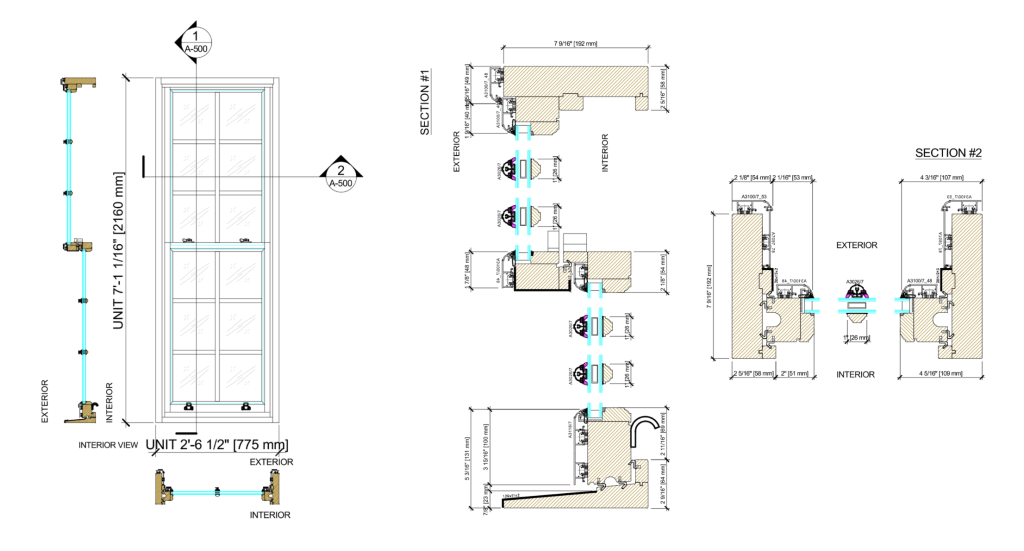
Double-hung windows are a defining feature of historic townhouses and brownstones in New York City. They offer traditional proportions, flexible ventilation, and a classic aesthetic. This design aligns with historic preservation guidelines. Replacing windows in a Landmark building requires careful attention to detail. In particular, the design, materials, and documentation must comply with the NYC Landmarks Preservation Commission (LPC).
Using appropriate systems, such as cladded wood Double Hung windows, balances an authentic appearance with modern durability, energy efficiency, and clear, slimnes. Early consultation and accurate drawings can help streamline the approval process and avoid costly revisions.
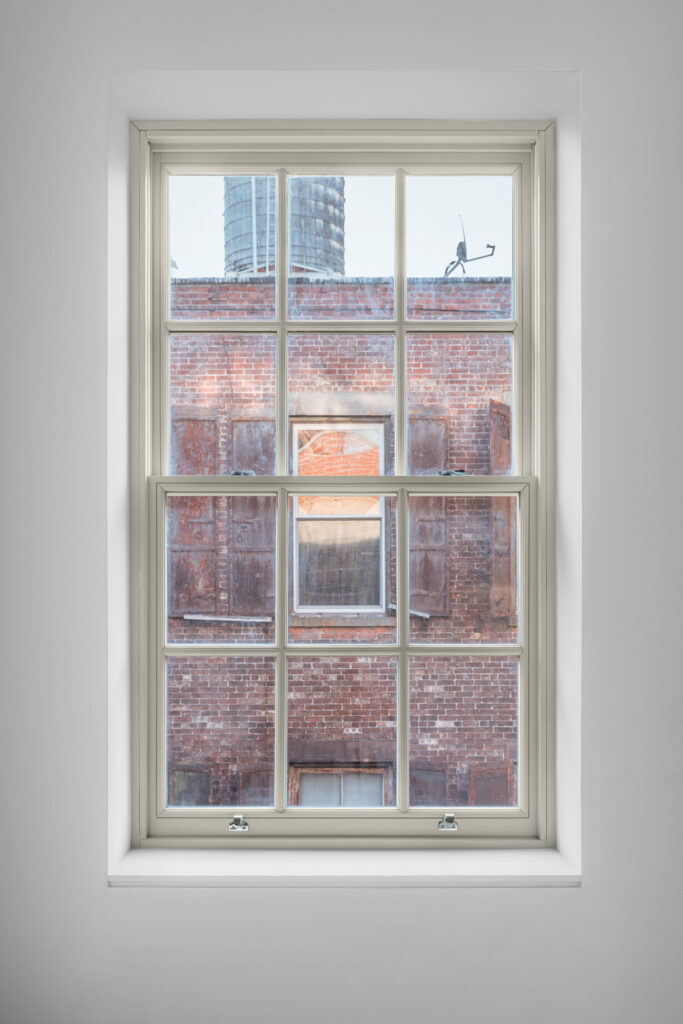
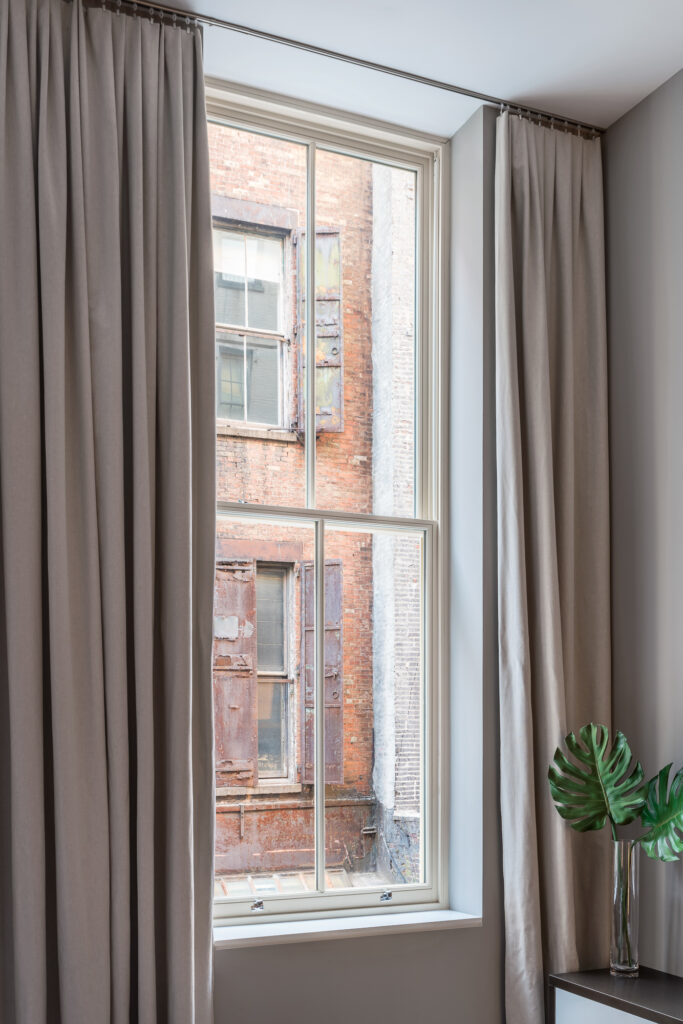
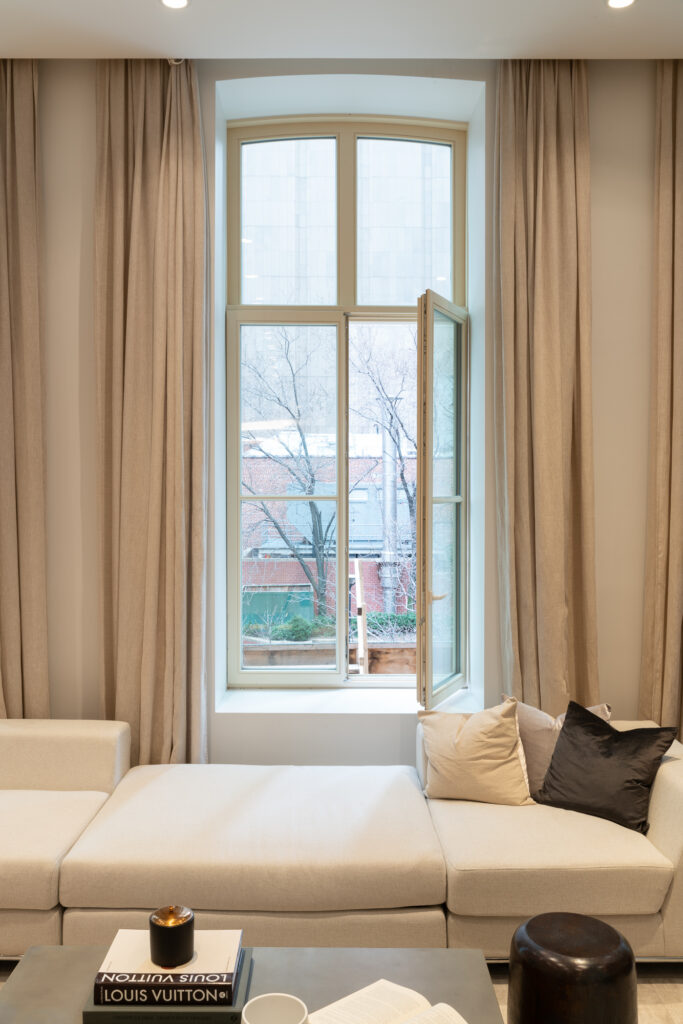
OpenAWD has extensive experience designing, producing, and installing custom double-hung windows that meet both performance requirements and landmark-related requirements. Some of our many solutions include wood interiors with protective exterior cladding, a range of landmark-appropriate sashes historically accurate muntins, and a variety of suitable hardware finishes. These choices ensure compliance with LPC standards while maintaining the distinct character of these types of buildings.
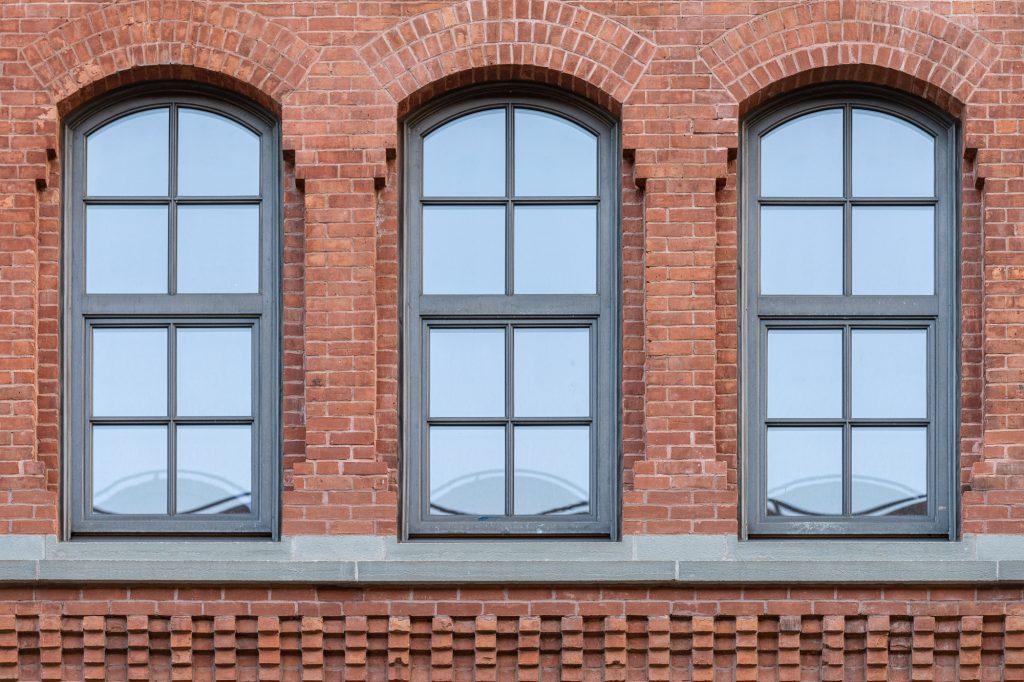
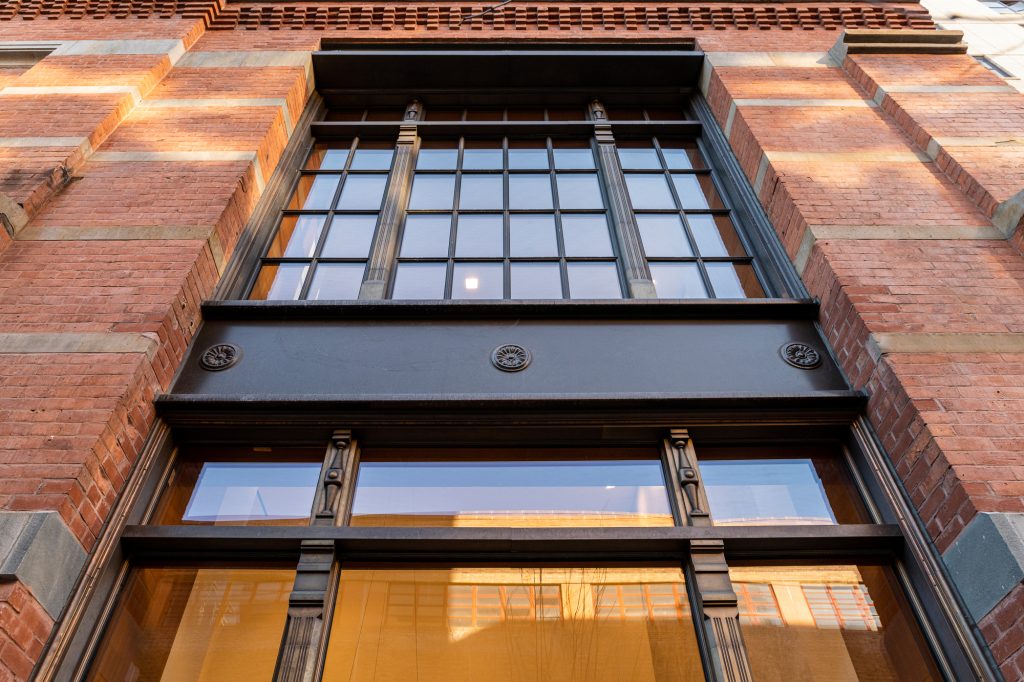
A prime example is our recent Hudson Square Development project. For this site, OpenAWD provided custom clad wood windows for a 19th-century industrial building. The project transformed the structure into a mixed-use space. By carefully matching the building’s historic dimensions, the team preserved its landmark character. At the same time, accurate documentation and proper installation ensured modern performance.
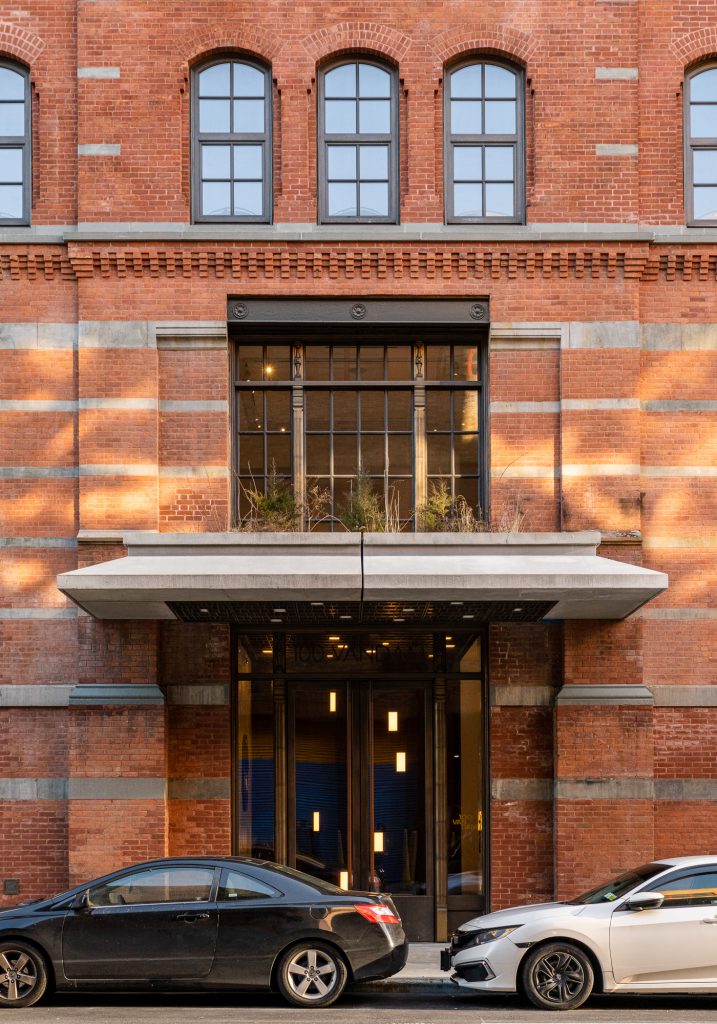
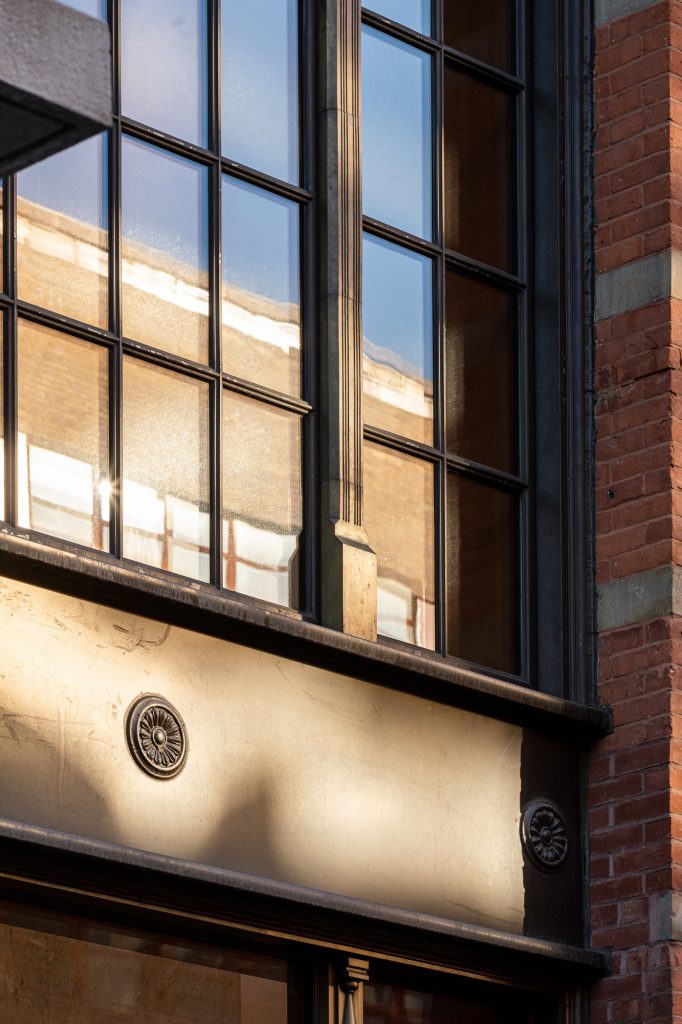
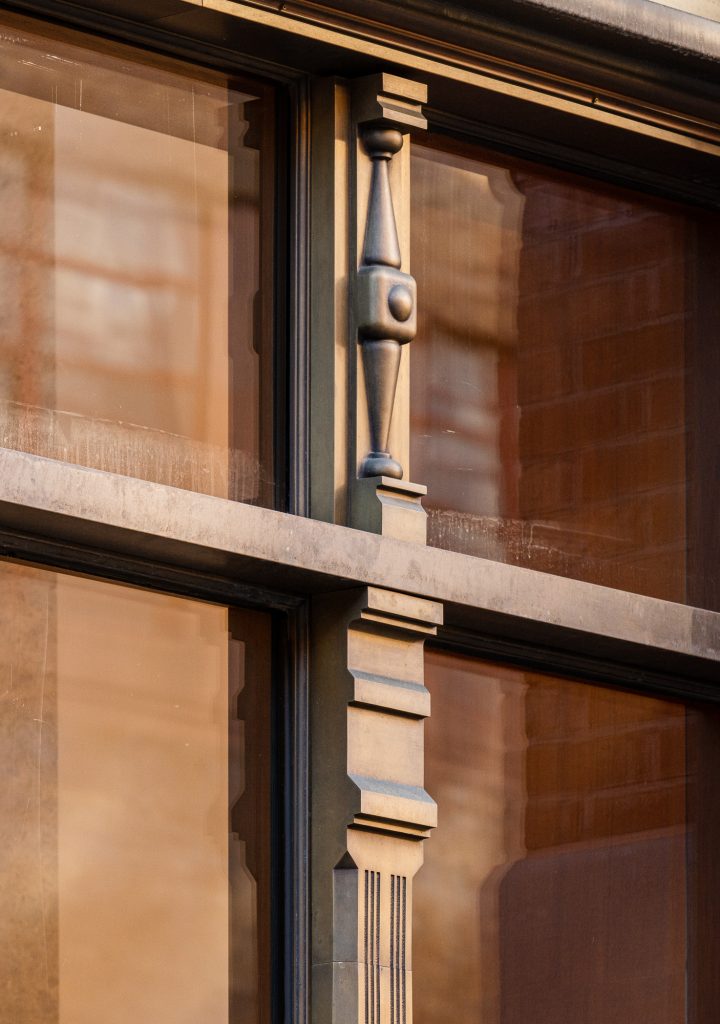
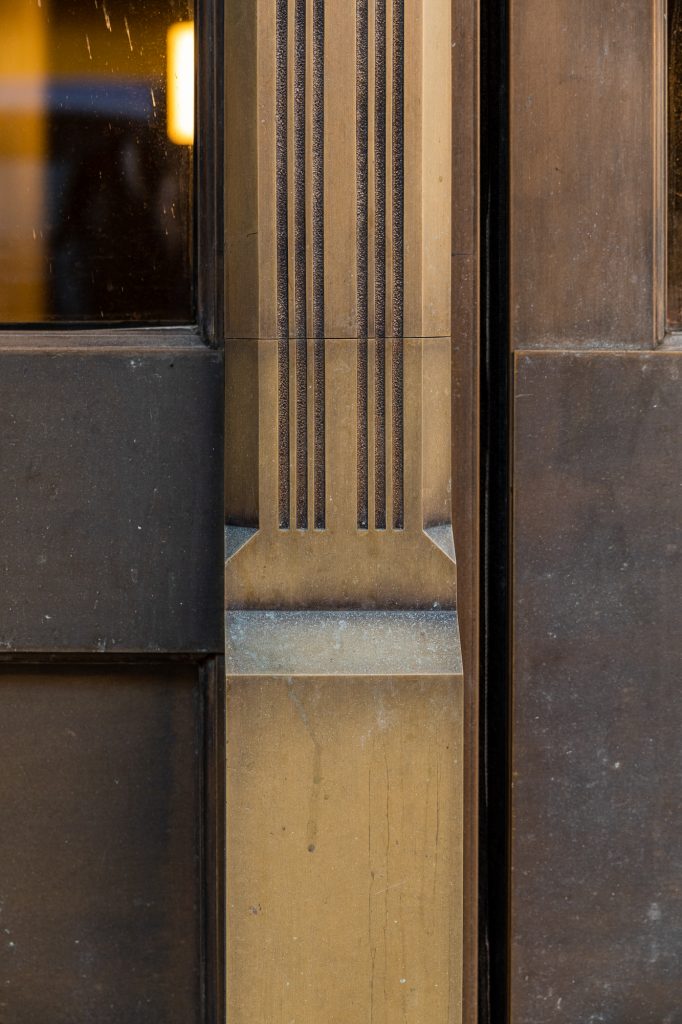
In addition to windows, we also design and manufacture custom entry doors that fully comply with NYC Landmarks Preservation Commission requirements.
Our Landmark-style doors are developed with close attention to historic dimensions panel layouts, profiles, and finishes, ensuring they align with the original and often distinct architectural character of each building we work on. Each door can be tailored to meet preservation guidelines while incorporating modern performance features such as enhanced security, thermal efficiency, and durability.
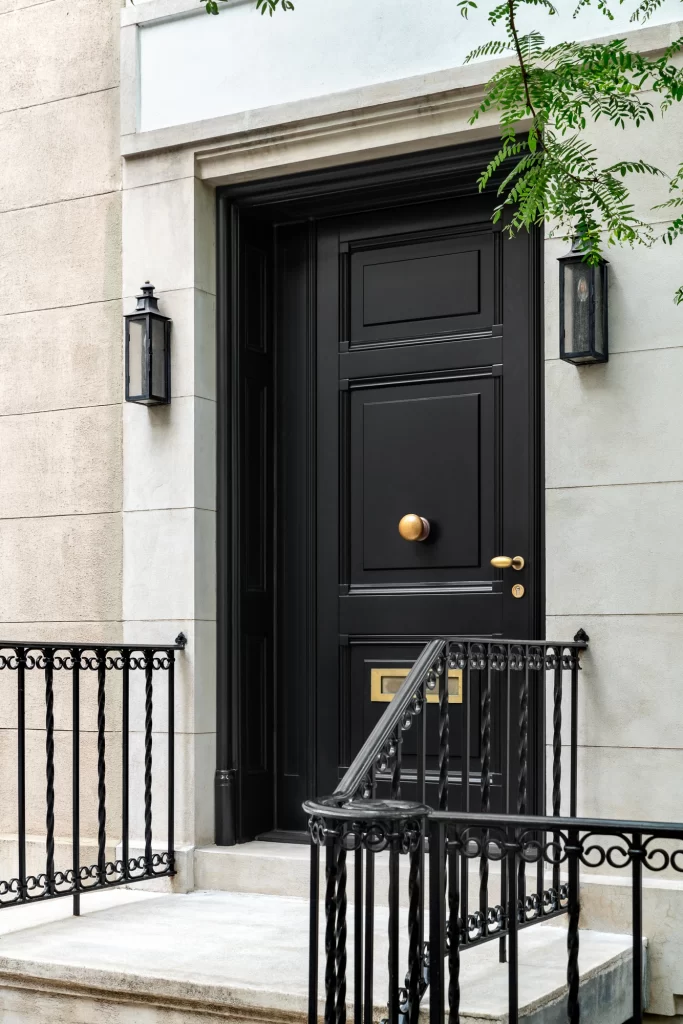
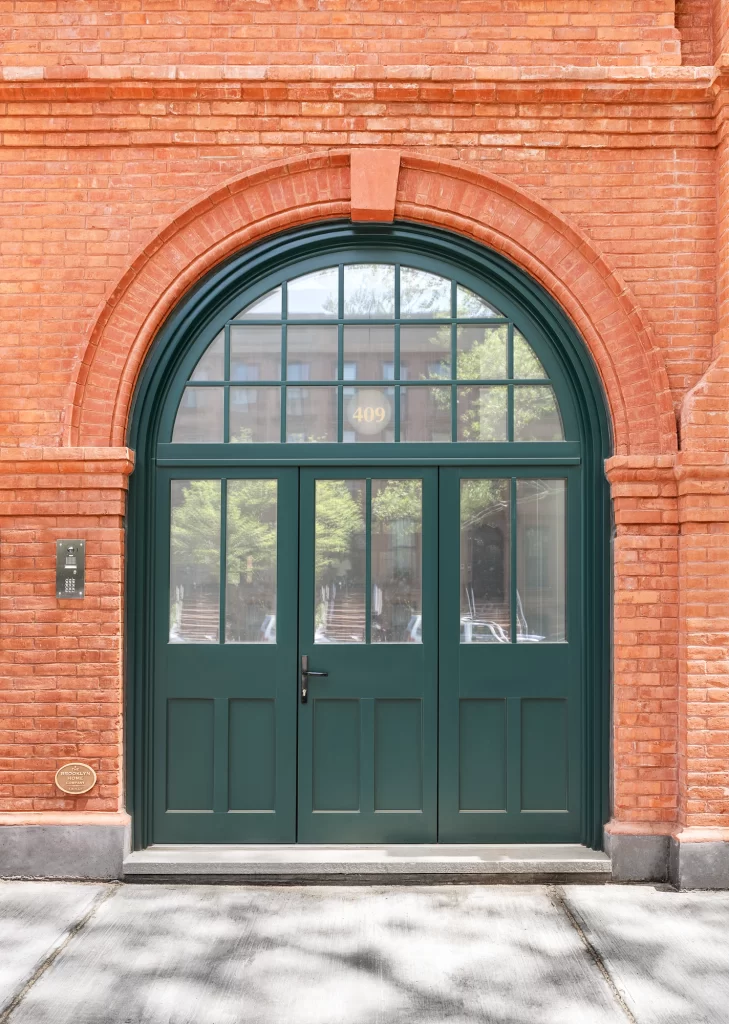
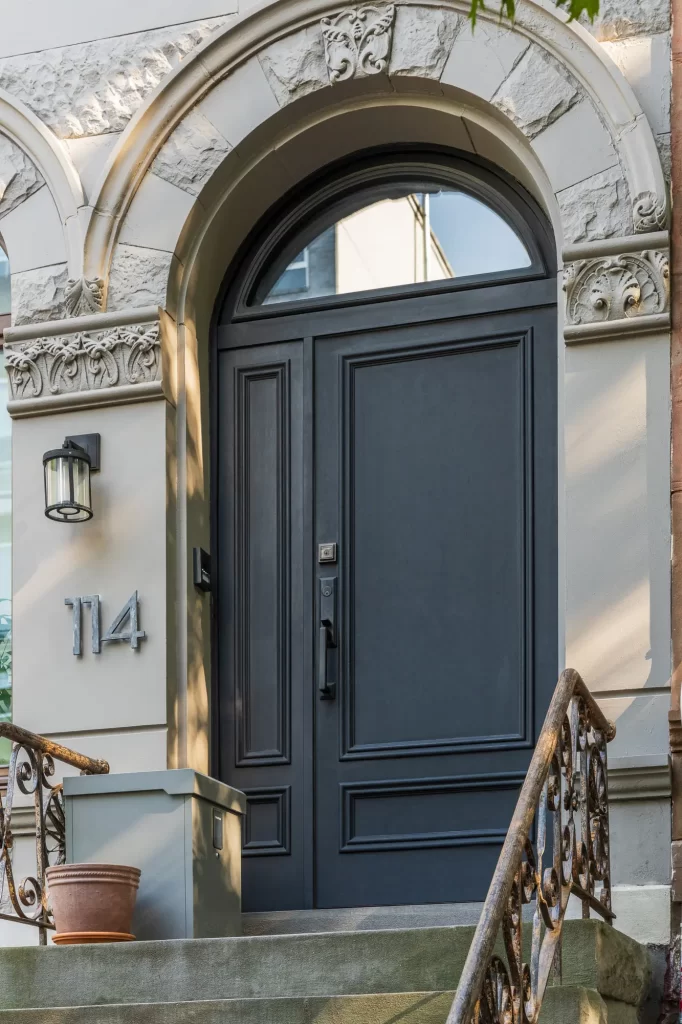
Click on the images to see detailed case studies of these projects.
For historic buildings, matching the window type and proportions is often not enough. Preserving the character, atmosphere, and architectural charm of the property also requires careful attention to original decorative elements, such as the moldings, cornices, and other ornamental details.
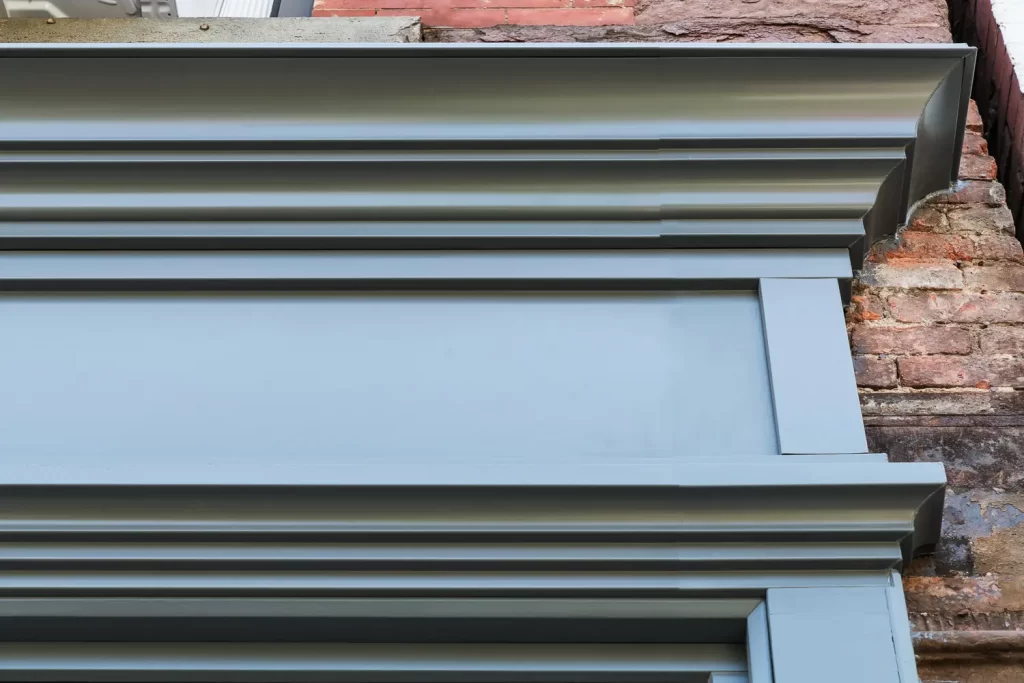
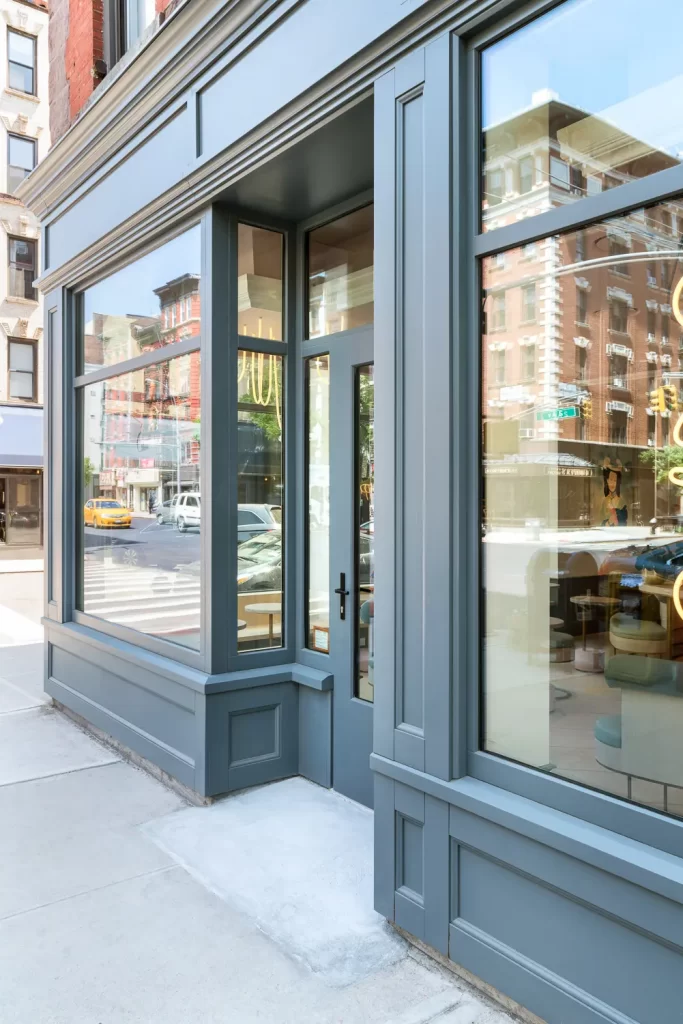
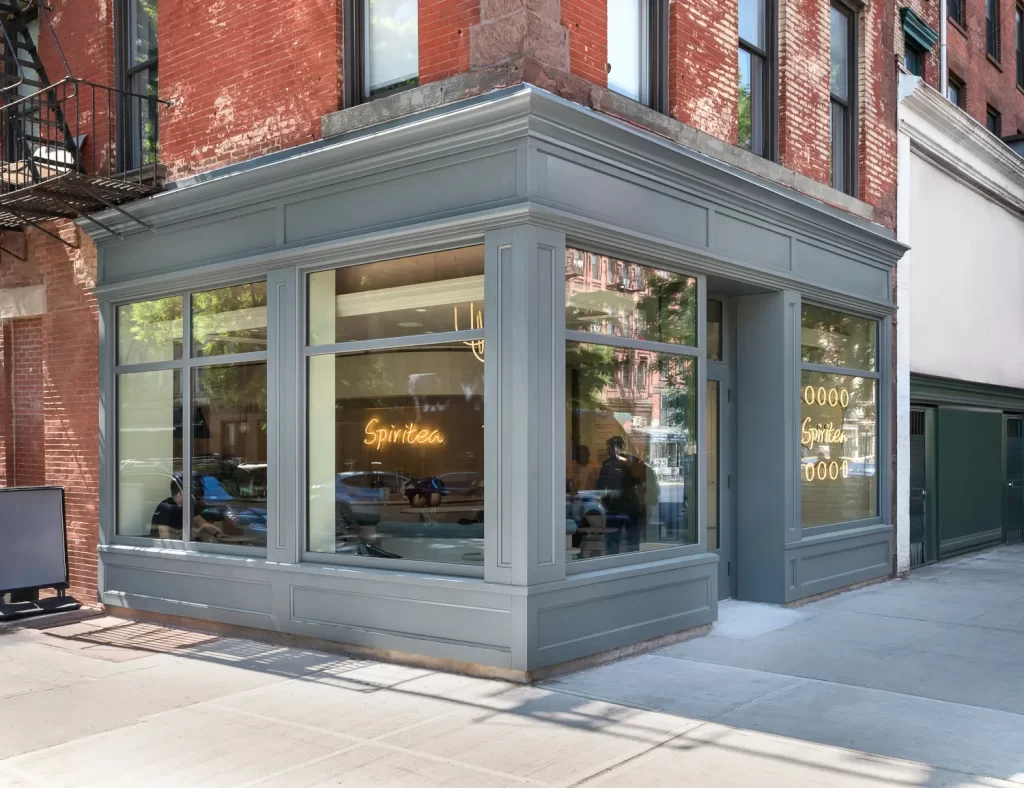
Our company specializes in complex preservation projects where these details play a critical role. A representative example is this storefront in Manhattan’s East Village, where we not only designed and fabricated the storefront system but also developed a custom decorative sheet-metal cornice in order to carefully replicate the original early-1900s design. This approach allowed the project to retain its historic look and feel while meeting modern performance and regulatory requirements.
It is also important to remember that historic architecture is not defined by wood alone. In many preservation and restoration projects, steel window and door systems play a vital role. They help maintain the authentic character of industrial, commercial, and early modern buildings. This is especially true in New York City’s historic districts. When designed thoughtfully, steel systems preserve original styles and slender sightlines. At the same time, they provide the strength and durability needed for long-term performance.
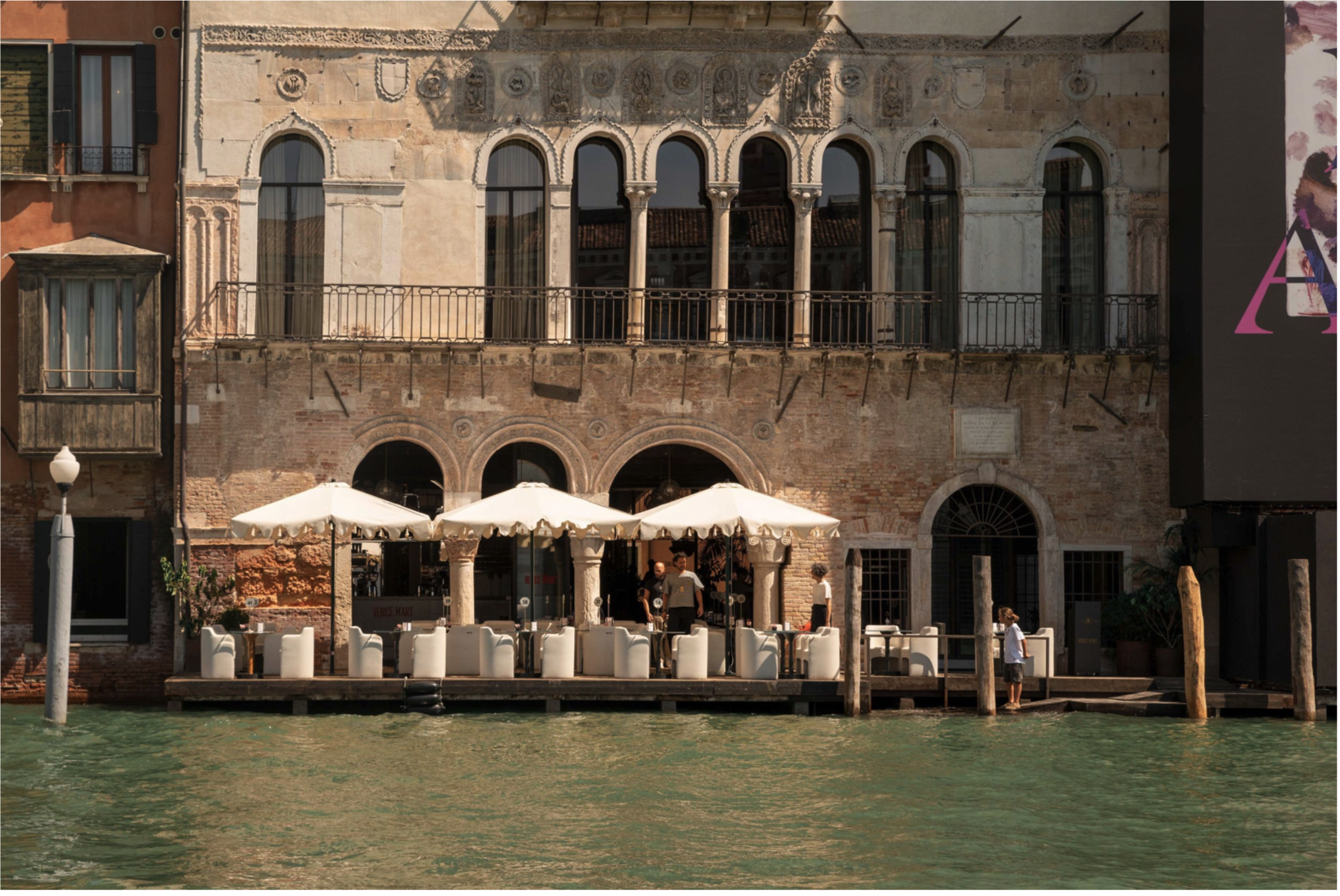
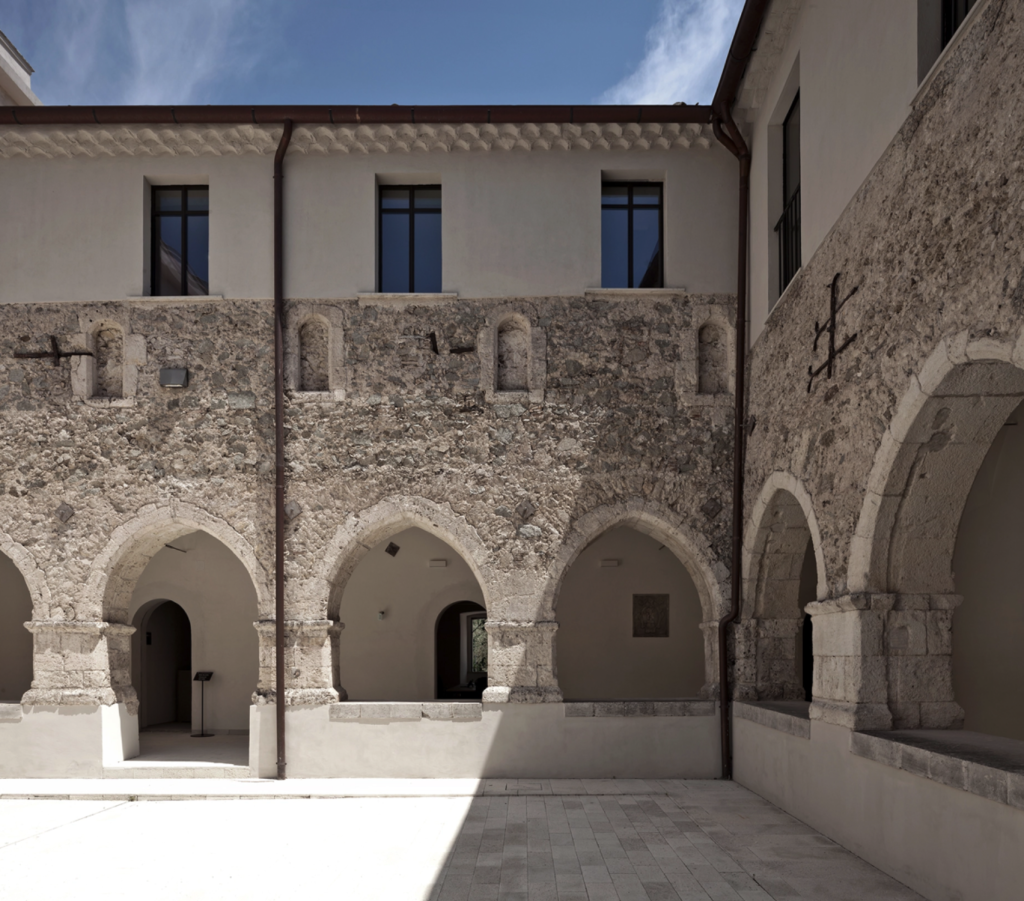
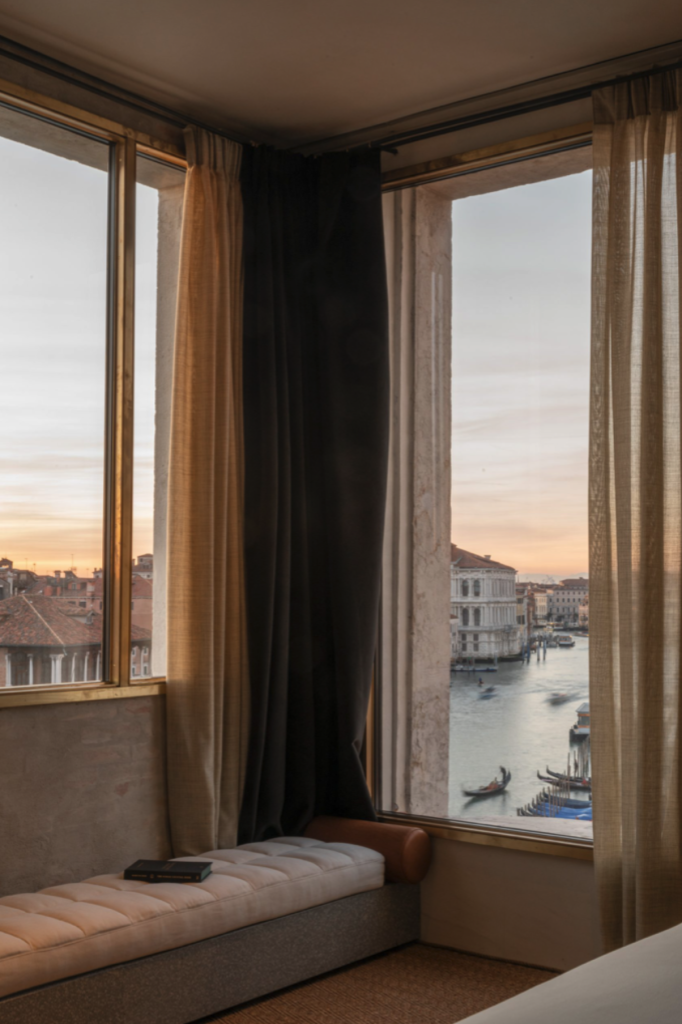
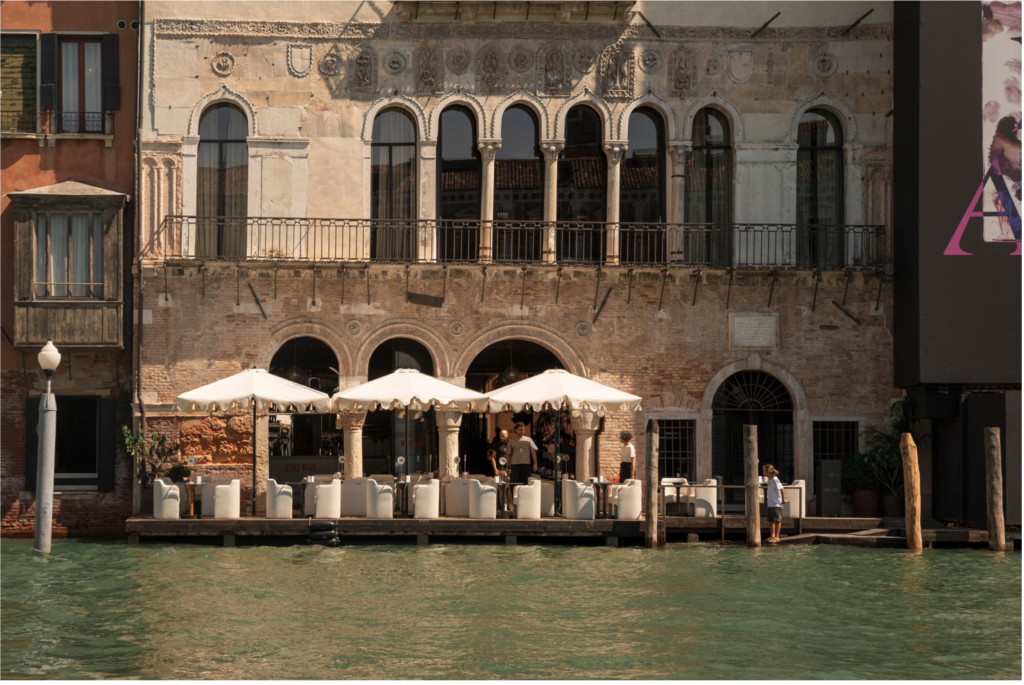
Examples include the former Military Hospital in Catanzaro, a landmark of 20th-century architecture. Another is Cà da Mosto, one of the oldest buildings in Venice. This Veneto-Byzantine landmark overlooks the Grand Canal. These buildings show that steel systems have long played an integral role in historic structures. Slender steel profiles help preserve their distinct character. They also prove that metal elements can remain historically accurate when applied with care and respect for the original design.
Navigating the NYC Landmark window approval process requires experience, precision, and a clear understanding of LPC requirements. A thoughtful and informed approach can save you valuable time, minimize costly revisions, and help preserve the historic character of your building.
If you’re planning a Landmark window project, please email us, or visit our website to submit a contact form — our team will be glad to answer your questions and guide you through every step of the process.